


The drying capacity of a corn dryer is a crucial factor for farmers and agricultural businesses, as it determines how much corn can be dried in a given period. Understanding this parameter helps in making informed decisions when choosing a dryer that suits specific production needs. As a leading Corn Dryer supplier, we aim to shed light on what constitutes the drying capacity of a typical corn dryer and why it matters.
Understanding Drying Capacity
Drying capacity refers to the maximum amount of wet corn that a dryer can process into dry corn within a specific time frame, usually measured in bushels per hour or tons per day. It is affected by several factors, which we will discuss in detail below.
1. Design and Type of the Dryer
There are different types of corn dryers in the market, each with its own design characteristics that influence the drying capacity. For instance, batch dryers are designed to dry a fixed amount of corn at a time. They are loaded with a specific batch of wet corn, and the drying process takes place in a single operation until the desired moisture level is achieved. Batch dryers may have lower throughput compared to continuous - flow dryers, which can process corn continuously as it moves through the dryer.
Our company offers a range of Corn Dryer models, including both batch and continuous - flow options. The continuous - flow dryers, in particular, are engineered to handle large volumes of corn efficiently, making them ideal for commercial farms and large - scale grain processing facilities.
2. Heat Source and Efficiency
The heat source used in a corn dryer plays a significant role in determining its drying capacity. Common heat sources include natural gas, propane, and electricity. The efficiency of the heat transfer system from the heat source to the corn affects how quickly the moisture is removed. A more efficient heat source can raise the temperature of the corn more rapidly and evaporate moisture at a faster rate, thereby increasing the drying capacity.
Our advanced corn dryers are equipped with high - efficiency burners and heat exchangers, which ensure optimal heat transfer to the corn. This not only speeds up the drying process but also helps in reducing energy consumption, making our dryers cost - effective in the long run.

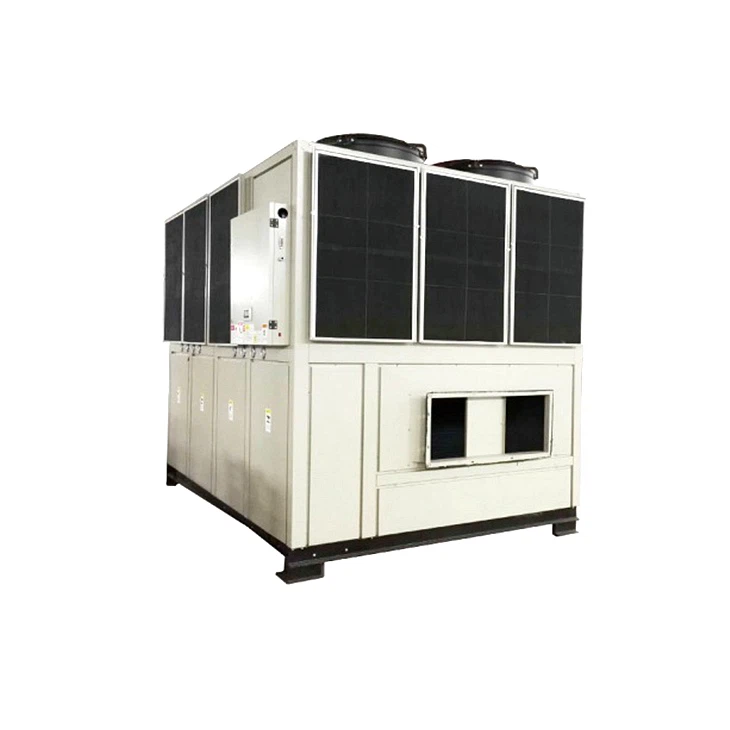
3. Initial and Final Moisture Content
The initial moisture content of the corn is a key determinant of the drying capacity. Corn harvested during wetter seasons may have a higher moisture content, which means more water needs to be removed. Consequently, the dryer will take longer to reach the desired final moisture content, reducing the overall drying capacity.
Typically, corn needs to be dried from a high initial moisture level (e.g., 25 - 30%) to a safe storage moisture level of around 13 - 15%. Our dryers are designed to handle a wide range of initial moisture contents effectively. By adjusting the drying parameters such as airflow rate and temperature, we can ensure that the corn is dried to the appropriate final moisture content efficiently.
4. Airflow and Ventilation
Proper airflow and ventilation are essential for effective drying. The air circulates through the corn, carrying away the evaporated moisture. A well - designed airflow system ensures that all the corn in the dryer is exposed to the hot, dry air, maximizing the drying process.
Our corn dryers feature advanced airflow systems that are carefully calibrated to provide uniform drying throughout the load. This helps in maintaining a high drying capacity and ensures that the quality of the dried corn is consistent.
Typical Drying Capacities in the Market
The drying capacity of corn dryers can vary widely depending on the size and type of the dryer. Small - scale batch dryers may have a drying capacity of around 50 - 200 bushels per hour. These are suitable for small family farms with limited corn production.
Medium - sized continuous - flow dryers can have a capacity ranging from 200 - 1000 bushels per hour. They are a popular choice for medium - sized commercial farms that need to process a significant volume of corn but may not require the high - capacity options available.
Large - scale industrial corn dryers can have capacities exceeding 1000 bushels per hour, sometimes even reaching up to several thousand bushels per hour. These are used by large grain elevators and major agricultural processing companies that deal with vast amounts of corn on a daily basis.
Choosing the Right Drying Capacity
Selecting the appropriate drying capacity is vital to ensure efficient operations and cost - effectiveness. Here are some considerations to keep in mind:
1. Corn Production Volume
Farmers and businesses need to assess their annual corn production volume. If the production volume is low, investing in a large - capacity dryer may not be cost - effective as the dryer may operate at a fraction of its capacity most of the time. On the other hand, if the production is high and the drying capacity is insufficient, it may lead to delays in the drying process and potential spoilage of the corn.
2. Harvesting Timeframe
The duration of the corn harvest also affects the choice of drying capacity. If the harvest period is short, a higher - capacity dryer may be needed to process the entire crop in a timely manner. Conversely, if the harvest is spread out over a longer period, a dryer with a lower capacity may be sufficient.
3. Future Expansion Plans
It is also important to consider future expansion plans. If there are plans to increase corn production in the coming years, it may be wise to invest in a dryer with a slightly higher capacity than the current needs to avoid the need for an early replacement.
Our Company's Product Range and Advantages
As a trusted Corn Dryer supplier, we offer a comprehensive range of dryers to meet the diverse needs of our customers. Our dryers are not only designed for high - performance but also for reliability and ease of use.
In addition to our Corn Dryer products, we also provide Wheat Dryer and Heat Pump Static Mesh Seed Dryer solutions. Our heat pump seed dryers, in particular, offer energy - efficient drying options, which are environmentally friendly and can help reduce operating costs.
Our technical team is always available to provide professional advice on choosing the right dryer for your specific needs. We can assist in calculating the required drying capacity based on your production volume, harvest timeframe, and other relevant factors.
Contact Us for Procurement and Consultation
If you are in the market for a high - quality corn dryer or need more information about our product range, we encourage you to contact us. Our sales representatives are ready to answer all your questions and provide detailed product specifications. We can also arrange for a demonstration of our dryers at your convenience.
Making the right choice in a corn dryer is an important investment for your agricultural business. With our expertise and high - quality products, we are confident that we can provide you with the best solution for your corn drying needs.
References
- Agricultural Handbook No. XXXX, "Grain Drying and Storage", United States Department of Agriculture.
- "Principles of Agricultural Engineering", various editions by leading agricultural engineering textbooks.
- Industry reports on grain drying equipment from reputable market research firms.


