


Hey there! As a supplier of Corn Ear Dryers, I often get asked this question: Can a corn ear dryer be used for long - term storage of corn ears? Well, let's dive right in and explore this topic.
First off, let's understand the basics. Corn ears straight from the field usually have a high moisture content. This moisture is a big no - no when it comes to long - term storage. High moisture can lead to mold growth, insect infestations, and a decrease in the overall quality of the corn. That's where a corn ear dryer comes in.
A corn ear dryer is designed to remove excess moisture from the corn ears. It uses a combination of heat and air circulation to dry the corn to a safe moisture level. But can it do the job well enough for long - term storage?
How Corn Ear Dryers Work
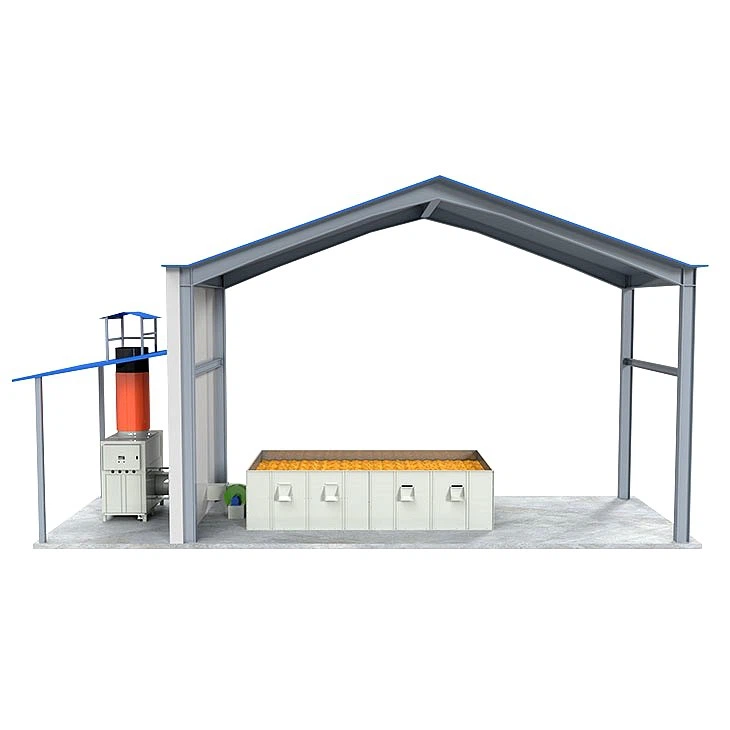
Corn ear dryers typically have a chamber where the corn ears are loaded. Hot air is then blown through the chamber, and as the air passes over the corn ears, it absorbs the moisture. The moisture - laden air is then expelled from the dryer. This process continues until the corn reaches the desired moisture content.
Most corn ear dryers can dry corn ears to a moisture level of around 13 - 15%. This is a crucial range because corn stored at this moisture level is less likely to develop mold and other issues during long - term storage.
Advantages of Using a Corn Ear Dryer for Long - Term Storage
- Prevents Mold and Fungi Growth: Mold and fungi thrive in moist environments. By reducing the moisture content of the corn ears, a corn ear dryer creates an environment that is inhospitable to these unwanted guests. This helps to preserve the quality of the corn and ensures that it remains safe for consumption or other uses.
- Reduces Insect Infestations: Insects are also attracted to moist corn. When the corn is dried properly, it becomes less appealing to insects, reducing the risk of infestations. This is especially important for long - term storage, as an insect infestation can quickly ruin an entire batch of corn.
- Maintains Nutritional Value: High moisture can cause the nutrients in the corn to break down over time. By drying the corn ears, a corn ear dryer helps to preserve the nutritional value of the corn, ensuring that it remains a valuable source of food or feed.
Limitations and Considerations
While corn ear dryers are great for reducing moisture, there are a few things to keep in mind when using them for long - term storage.
- Proper Drying Temperature: If the drying temperature is too high, it can damage the corn kernels. This can lead to a decrease in germination rates if the corn is intended for planting, or a reduction in the quality of the corn for other uses. It's important to follow the manufacturer's guidelines for the optimal drying temperature.
- Uniform Drying: Ensuring that all the corn ears are dried uniformly is crucial. Uneven drying can result in some ears having a higher moisture content than others. These moist ears can then become a source of mold and other problems, even if the majority of the corn is properly dried.
- Storage Conditions: Even after the corn ears are dried, the storage conditions are still important. The storage area should be clean, dry, and well - ventilated. It's also a good idea to regularly check the stored corn for any signs of mold, insects, or other issues.
Comparing with Other Grain Dryers
There are other types of grain dryers available in the market, such as Rice Dryer and Corn Dryer. While these dryers serve the general purpose of drying grains, a Corn Ear Dryer is specifically designed for corn ears.
Rice dryers are optimized for drying rice grains, which have different moisture characteristics and physical properties compared to corn ears. Similarly, corn dryers may be designed to dry shelled corn, which also has different requirements than drying whole corn ears.
A corn ear dryer takes into account the unique shape and structure of corn ears. It is designed to ensure that the air circulates evenly around the ears, providing a more efficient and effective drying process for long - term storage of corn ears.
Tips for Using a Corn Ear Dryer for Long - Term Storage
- Sort the Corn Ears: Before loading the corn ears into the dryer, sort them to remove any damaged or diseased ears. This will help to prevent the spread of mold and other issues during the drying process.
- Monitor the Drying Process: Keep an eye on the moisture content of the corn ears during the drying process. Use a moisture meter to ensure that the corn reaches the desired moisture level.
- Clean the Dryer Regularly: A dirty dryer can introduce contaminants to the corn ears. Make sure to clean the dryer thoroughly between batches to maintain the quality of the dried corn.
Conclusion
So, can a corn ear dryer be used for long - term storage of corn ears? The answer is a resounding yes! When used correctly, a corn ear dryer can effectively reduce the moisture content of corn ears, preventing mold growth, insect infestations, and maintaining the nutritional value of the corn.

However, it's important to be aware of the limitations and considerations, such as proper drying temperature, uniform drying, and storage conditions. By following the tips mentioned above, you can ensure that your corn ears are properly dried and stored for the long term.
If you're in the market for a high - quality corn ear dryer, look no further. We offer a range of top - notch Corn Ear Dryers that are designed to meet your needs. Whether you're a small - scale farmer or a large - scale agricultural operation, we have the right dryer for you. Contact us to discuss your requirements and let's start a great partnership in ensuring the long - term storage of your corn ears.
References
- "Grain Drying and Storage Handbook" by the American Society of Agricultural and Biological Engineers.
- "Principles of Grain Drying" by the International Grains Council.


