


Fluidized - bed grain dryers are an essential piece of equipment in the agricultural industry, offering an efficient and effective way to dry various grains. As a leading grain dryer supplier, I am excited to share with you how these remarkable machines work.
The Basics of Fluidization
Before delving into the workings of a fluidized - bed grain dryer, it's important to understand the concept of fluidization. Fluidization occurs when a fluid (usually air in the case of grain dryers) is passed through a bed of solid particles (the grains) at a sufficient velocity so that the solid particles behave like a fluid.
When air is forced through the grain bed at a low velocity, it simply flows through the spaces between the grains. However, as the air velocity increases, a point is reached where the upward force exerted by the air on the grains is equal to the weight of the grains. At this point, the grains become suspended in the air stream, and the bed of grains starts to behave like a boiling liquid. This is the fluidized state.

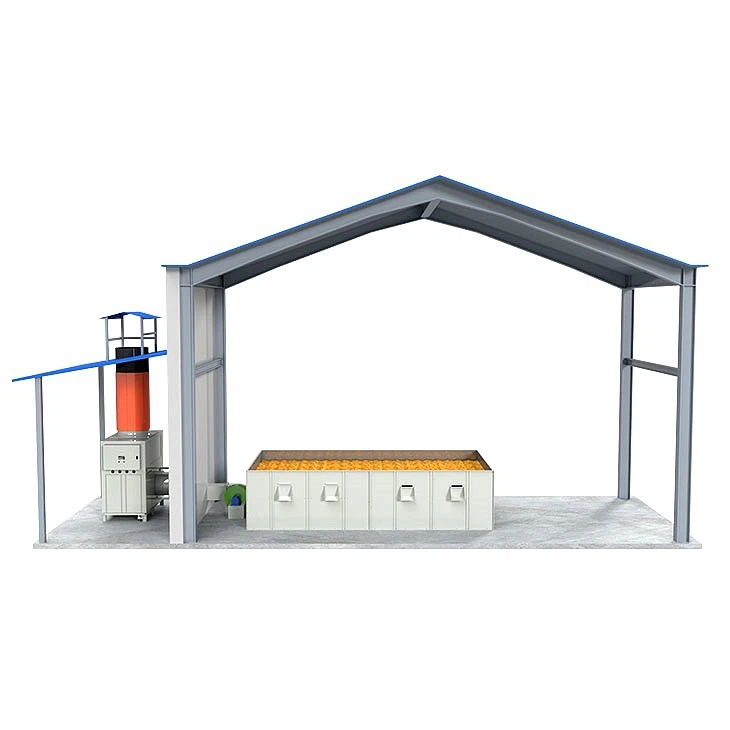
Components of a Fluidized - Bed Grain Dryer
A typical fluidized - bed grain dryer consists of several key components:
- Air Supply System: This includes a blower or fan that is responsible for supplying the necessary air to fluidize the grain bed and to carry away the moisture. The air is usually heated before entering the dryer to enhance the drying process.
- Fluidized Bed Chamber: This is the main part of the dryer where the grains are dried. It is a container with a perforated bottom through which the air is introduced. The grains are loaded into the chamber, and when the air is blown through the perforations, the grains are fluidized.
- Heating System: To increase the drying efficiency, the air is heated. This can be achieved using various heating sources such as natural gas, propane, or electricity. The heated air provides the energy needed to evaporate the moisture from the grains.
- Grain Feeding and Discharging System: Grains are fed into the fluidized - bed chamber at a controlled rate. Once the drying process is complete, the dried grains are discharged from the chamber. This system ensures a continuous and efficient drying operation.
- Moisture Removal System: As the grains are dried, the moisture is carried away by the air. The air, now laden with moisture, is removed from the dryer through an exhaust system. Some dryers may also have a system to recover the heat from the exhaust air to improve energy efficiency.
The Drying Process
The drying process in a fluidized - bed grain dryer can be divided into several stages:
- Initial Loading and Fluidization: The grains are first loaded into the fluidized - bed chamber. The air supply system is then turned on, and the air velocity is gradually increased until the grains are fluidized. In this state, the grains are constantly moving and mixing, which ensures uniform drying.
- Moisture Evaporation: The heated air comes into contact with the grains, and heat is transferred from the air to the grains. This causes the moisture in the grains to evaporate. The evaporated moisture is then carried away by the air stream. The high surface area of the fluidized grains and the intense mixing ensure a rapid and efficient moisture removal process.
- Drying to the Desired Moisture Content: The drying process continues until the grains reach the desired moisture content. This can be monitored using moisture sensors, and the drying parameters such as air temperature, air velocity, and drying time can be adjusted accordingly.
- Discharge of Dried Grains: Once the grains have reached the desired moisture content, the air supply is stopped, and the dried grains are discharged from the chamber. They can then be stored or further processed.
Advantages of Fluidized - Bed Grain Dryers
Fluidized - bed grain dryers offer several advantages over other types of grain dryers:
- High Drying Efficiency: The fluidized state of the grains provides a large surface area for heat and mass transfer, resulting in a rapid and efficient drying process. This can significantly reduce the drying time compared to other drying methods.
- Uniform Drying: The constant mixing of the grains in the fluidized bed ensures that all grains are exposed to the same drying conditions, resulting in uniform moisture content throughout the batch.
- Energy Efficiency: Many fluidized - bed grain dryers are designed to recover the heat from the exhaust air, which can reduce the overall energy consumption of the drying process.
- Flexibility: These dryers can be used to dry a wide variety of grains, including Rice Dryer, Sorghum Ear Dryer, and Rapeseed Dryer. They can also be easily adjusted to accommodate different grain types and moisture contents.
Applications in the Agricultural Industry
Fluidized - bed grain dryers are widely used in the agricultural industry for drying various grains. They are particularly useful for large - scale grain producers and processing facilities. Some of the common applications include:
- Farm - Scale Drying: Farmers can use fluidized - bed grain dryers to dry their harvested grains on - site. This allows them to store the grains at the optimal moisture content, reducing the risk of spoilage during storage.
- Grain Elevators and Processing Plants: In grain elevators and processing plants, fluidized - bed dryers are used to dry large quantities of grains before storage or further processing. The high drying efficiency and uniform drying ensure that the grains meet the quality standards required by the market.
- Seed Production: For seed production, it is crucial to dry the seeds to a specific moisture content to maintain their viability. Fluidized - bed grain dryers can provide precise control over the drying process, ensuring that the seeds are dried without damage.
Maintenance and Troubleshooting
To ensure the reliable operation of a fluidized - bed grain dryer, regular maintenance is essential. This includes:
- Cleaning: The dryer should be cleaned regularly to remove any accumulated dust, debris, or grain residues. This helps to prevent clogging of the air passages and ensures proper air flow.
- Inspection of Components: The blower, heating system, and other components should be inspected regularly for signs of wear and tear. Any damaged parts should be replaced promptly.
- Calibration of Sensors: The moisture sensors and other control sensors should be calibrated regularly to ensure accurate measurement and control of the drying process.
In case of any problems, some common troubleshooting steps include:
- Check the Air Supply: If the grains are not fluidizing properly, check the air supply system for any blockages or malfunctions.
- Verify the Heating System: If the drying rate is too slow, check the heating system to ensure that the air is being heated to the correct temperature.
- Examine the Grain Feeding and Discharging System: If there are issues with the grain flow, check the feeding and discharging system for any obstructions.
Conclusion
Fluidized - bed grain dryers are a valuable tool in the agricultural industry, offering efficient and effective grain drying solutions. As a grain dryer supplier, we are committed to providing high - quality dryers that meet the diverse needs of our customers. Whether you are a small - scale farmer or a large - scale grain processor, our fluidized - bed grain dryers can help you achieve optimal grain drying results.
If you are interested in learning more about our grain dryers or are looking to purchase a dryer for your operation, we encourage you to contact us for a detailed discussion. Our team of experts is ready to assist you in selecting the right dryer for your specific requirements and to provide you with the best possible service.
References
- Mujumdar, A. S. (Ed.). (2014). Handbook of industrial drying. CRC press.
- Heldman, D. R., & Lund, D. B. (Eds.). (2012). Handbook of food engineering. CRC press.
- ASAE Standards. (2018). American Society of Agricultural and Biological Engineers.


