


As a seasoned supplier of rice dryers, I've witnessed firsthand the crucial role these machines play in safeguarding the quality of rice. One of the most significant challenges in rice storage and processing is the prevention of mold formation. Mold not only compromises the nutritional value and taste of rice but can also produce harmful mycotoxins, posing a serious threat to human health. In this blog, I'll delve into the science behind how our rice dryers effectively prevent mold growth during the drying process.
Understanding the Conditions for Mold Growth
Before we explore how rice dryers prevent mold, it's essential to understand the conditions that promote its growth. Mold thrives in environments with high humidity, moderate temperatures, and a source of organic matter – in this case, rice. When rice is harvested, it typically contains a high moisture content, which creates an ideal breeding ground for mold. If left untreated, the moisture in the rice can lead to the rapid growth of mold colonies, resulting in spoilage and significant economic losses.
The Role of Moisture Removal in Mold Prevention
The primary function of a rice dryer is to reduce the moisture content of the rice to a safe level, typically between 12% and 14%. By removing excess moisture, the dryer creates an environment that is inhospitable to mold growth. This is achieved through a combination of heat and airflow, which work together to evaporate the moisture from the rice grains.
Heat Transfer
Heat is a critical component of the drying process. Our rice dryers use a variety of heating methods, including direct and indirect heating, to transfer thermal energy to the rice. Direct heating involves exposing the rice to a flame or hot air, while indirect heating uses a heat exchanger to transfer heat from a combustion chamber to the drying air. Regardless of the method used, the goal is to raise the temperature of the rice to a level that promotes moisture evaporation without causing damage to the grains.
Airflow
In addition to heat, airflow is essential for effective drying. Our rice dryers are designed to provide a consistent and uniform flow of air through the rice bed. This helps to remove the moisture-laden air from the dryer and replace it with fresh, dry air. The airflow also helps to distribute the heat evenly throughout the rice, ensuring that all grains are dried uniformly.
Advanced Features of Our Rice Dryers
To further enhance mold prevention, our rice dryers are equipped with a range of advanced features. These features are designed to optimize the drying process and ensure that the rice is dried to the desired moisture content quickly and efficiently.
Temperature and Humidity Control
Our rice dryers are equipped with sophisticated temperature and humidity sensors that continuously monitor the conditions inside the dryer. These sensors allow us to adjust the heating and airflow settings in real-time, ensuring that the rice is dried at the optimal temperature and humidity levels. By maintaining precise control over these parameters, we can prevent over-drying or under-drying, both of which can contribute to mold growth.
Automatic Monitoring and Alarm Systems
In addition to temperature and humidity control, our rice dryers are also equipped with automatic monitoring and alarm systems. These systems continuously monitor the performance of the dryer and alert the operator if any issues are detected. For example, if the temperature or humidity levels inside the dryer exceed the preset limits, the alarm system will sound, allowing the operator to take corrective action before the rice is damaged.
Multiple Drying Stages
Some of our rice dryers are designed with multiple drying stages. This allows us to dry the rice in a more gradual and controlled manner, reducing the risk of thermal damage to the grains. In a multi-stage dryer, the rice is first pre-dried at a relatively low temperature to remove the surface moisture. It is then transferred to a second stage, where it is dried at a higher temperature to remove the remaining moisture. Finally, the rice is cooled and tempered to ensure that it is stable and ready for storage.
Other Benefits of Using Our Rice Dryers
In addition to preventing mold growth, our rice dryers offer a range of other benefits. These benefits include:
Improved Quality
By drying the rice to the optimal moisture content, our dryers help to preserve the quality of the grains. This results in rice that is more flavorful, nutritious, and visually appealing.
Increased Efficiency
Our rice dryers are designed to be highly efficient, using less energy and time to dry the rice compared to traditional drying methods. This not only reduces operating costs but also increases productivity.
Versatility
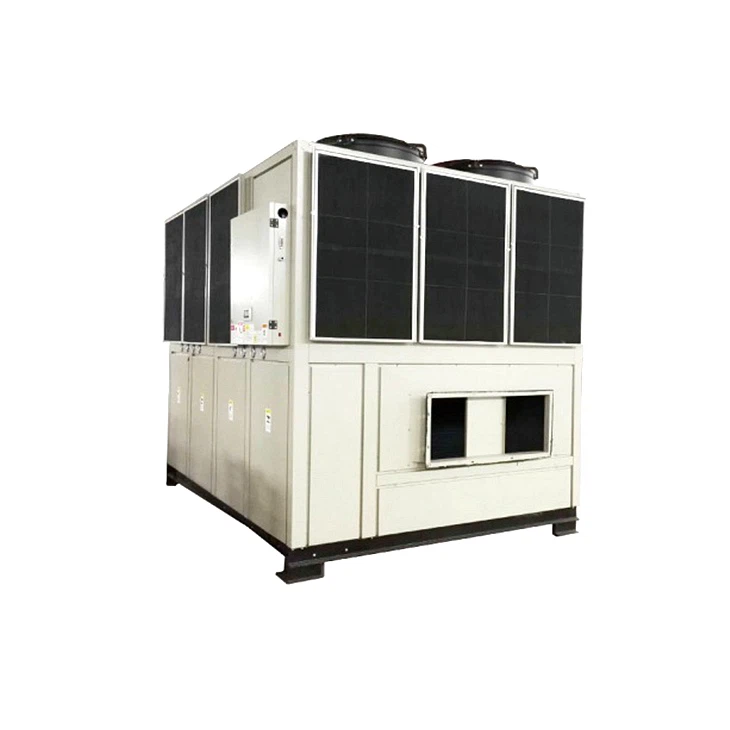
Our rice dryers are versatile and can be used to dry a variety of grains, including Heat Pump Rice Seed Dryer, Wheat Dryer, and Corn Dryer. This makes them a valuable investment for farmers and grain processors who handle multiple types of crops.

Conclusion
In conclusion, our rice dryers are an essential tool for preventing mold growth during the drying process. By removing excess moisture, controlling temperature and humidity, and utilizing advanced features, our dryers create an environment that is inhospitable to mold. This helps to preserve the quality of the rice, reduce spoilage, and ensure a safe and healthy food supply.
If you're interested in learning more about our rice dryers or would like to discuss your specific drying needs, please don't hesitate to contact us. Our team of experts is always available to provide you with the information and support you need to make an informed decision.
References
- ASAE Standards. (2012). Drying and Storage of Grains and Oilseeds. American Society of Agricultural and Biological Engineers.
- Chen, X. D., & Mujumdar, A. S. (2008). Food Drying: Principles, Applications, and Modeling. Wiley-Blackwell.
- Heldman, D. R., & Hartel, R. W. (2014). Principles of Food Processing. Springer.


