


As a supplier of Corn Ear Dryers, I'm often asked about the intricate workings of the loading and unloading systems of these essential agricultural machines. In this blog post, I'll delve into the design and functionality of these systems, explaining how they contribute to the efficiency and effectiveness of corn ear drying.
The Importance of a Well - Designed Loading and Unloading System
Before we explore the details of the system design, it's crucial to understand why a high - quality loading and unloading system is so important for a corn ear dryer. A well - designed system can significantly improve the overall productivity of the drying process. It reduces the time spent on loading wet corn ears into the dryer and unloading the dried ones. This means that more batches of corn can be processed in a shorter period, increasing the throughput of the dryer.
Moreover, an efficient system minimizes damage to the corn ears. Corn ears are fragile, and rough handling during loading and unloading can lead to broken kernels, which not only reduce the quality of the final product but also cause losses in yield. Additionally, a good system enhances operator safety. By reducing the need for manual labor in the loading and unloading process, the risk of injuries associated with heavy lifting and operating near moving parts is minimized.
Design Principles of the Loading System
1. Feed Mechanism
The loading system of a corn ear dryer typically begins with a feed mechanism. This can be a conveyor belt, auger, or a combination of both. Conveyor belts are commonly used because they can handle large volumes of corn ears smoothly. They are designed to move the ears from the collection point, such as a wagon or a storage bin, towards the dryer.
When designing the conveyor belt, several factors need to be considered. The speed of the belt should be adjustable to match the capacity of the dryer. If the belt moves too fast, the dryer may become overloaded, resulting in uneven drying. On the other hand, if it moves too slowly, the drying process will be inefficient. The width of the belt also matters. A wider belt can carry more corn ears at once, but it also requires more space.
Augers are used in situations where a more compact and enclosed feeding solution is needed. They can transport corn ears horizontally or vertically, making them suitable for different installation layouts. Augers are especially useful when dealing with limited space or when transferring corn ears from lower - level storage to the dryer. However, their design needs to ensure that the rotation speed is appropriate to prevent crushing the corn ears.
2. Distribution
Once the corn ears are transported to the dryer by the feed mechanism, proper distribution is crucial. A uniform distribution of corn ears inside the dryer helps to ensure consistent drying. This is typically achieved through the use of a distributing device, such as a spinning plate or a series of chutes.
A spinning plate rotates at a controlled speed, throwing the incoming corn ears in all directions within the dryer chamber. This helps to spread the ears evenly across the drying area. The design of the spinning plate needs to be optimized for the size and shape of the corn ears. For example, if the plate has too large a diameter or rotates too quickly, it may cause excessive agitation and damage to the ears.
Chutes can also be used to guide the corn ears to specific areas within the dryer. By carefully designing the angle and position of the chutes, the operator can ensure a more even distribution of the load.
Design Principles of the Unloading System
1. Discharge Mechanism
The unloading system of a corn ear dryer is responsible for removing the dried corn ears from the dryer efficiently. Similar to the loading system, conveyor belts and augers are commonly used as discharge mechanisms.
The key consideration in designing the discharge conveyor belt or auger is its capacity to handle the volume of dried corn ears. The system should be able to move the dried product quickly enough to prevent blockages and ensure continuous operation of the dryer. The material of the conveyor belt or auger also needs to be chosen carefully. It should be durable enough to withstand the constant flow of the dried corn ears, which can be abrasive over time.
2. Separation and Collection
After the dried corn ears are discharged from the dryer, they may need to be separated from any foreign materials, such as husks or small debris. This separation process can be part of the unloading system design. A simple way to achieve this is through the use of screens or sieves. Screens with different mesh sizes can be used to separate the corn ears from smaller particles.
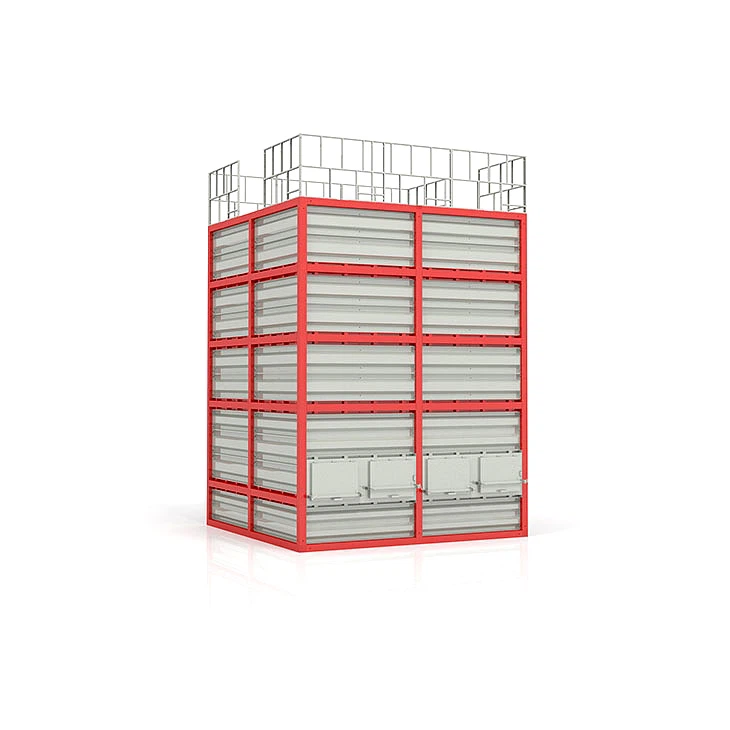

Once the separation is complete, the dried corn ears are collected in a storage container or a transport vehicle. The collection area should be designed to facilitate easy access for loading onto trucks or other means of transportation. It may include features such as a sloped floor or a gravity - fed chute to help the ears flow into the container smoothly.
Safety and Maintenance Considerations
1. Safety Features
Both the loading and unloading systems of a corn ear dryer need to incorporate safety features to protect the operators. For example, conveyor belts should be equipped with emergency stop buttons and guards to prevent accidental contact with moving parts. Augers should have protective covers to prevent hands or clothing from getting caught in the rotating mechanism.
In addition, proper lighting should be provided in the loading and unloading areas to ensure good visibility. This helps the operators to perform their tasks safely, especially during low - light conditions.
2. Maintenance
Regular maintenance is essential to keep the loading and unloading systems in optimal working condition. The conveyor belts need to be inspected for wear and tear regularly. Any signs of damage, such as fraying or stretching, should be addressed immediately. The rollers of the conveyor belts also need to be lubricated to ensure smooth operation.
Augers should be checked for blockages and proper alignment. The bearings of the augers need to be lubricated and replaced as needed. The distributing devices, such as spinning plates and chutes, should be cleaned regularly to prevent the build - up of debris, which can affect their performance.
Conclusion
The design of the loading and unloading systems of a corn ear dryer plays a vital role in the overall efficiency, quality, and safety of the corn drying process. By carefully considering the feed mechanism, distribution, discharge mechanism, separation, and collection, as well as incorporating proper safety and maintenance features, we can ensure that our Corn Ear Dryer operates at its best.
If you're in the market for a reliable corn ear dryer, or if you're interested in our Sorghum Ear Dryer and Corn Dryer solutions, I encourage you to reach out. We can discuss your specific requirements and how our products can meet your needs. Contact us to start a conversation about purchasing and to explore how our dryers can enhance your agricultural operations.
References
- Jones, R. (2018). Agricultural Machinery Design Principles. Publisher ABC, London.
- Smith, T. (2019). Grain Drying Technology. XYZ Press, New York.


