


Hey there! As a supplier of Corn Ear Dryers, I've been getting loads of questions lately about how the drying time of corn ears changes with their initial moisture content. So, I thought I'd dive deep into this topic and share some insights with you all.
Let's start by understanding why the initial moisture content of corn ears matters so much. When corn is harvested, it typically has a high moisture content, which can range anywhere from 20% to 40% or even higher, depending on the variety and growing conditions. This high moisture level makes the corn vulnerable to spoilage, molding, and insect infestation. That's where our Corn Ear Dryer comes in handy!
The drying process is crucial for preserving the quality of the corn and ensuring it can be stored safely for an extended period. But the time it takes to dry the corn ears can vary significantly based on their initial moisture content.
How Initial Moisture Content Affects Drying Time
When the initial moisture content of corn ears is high, it takes longer to dry them. This is because there's more water that needs to be removed. Think of it like trying to dry a wet sponge. If the sponge is soaking wet, it'll take a lot more time and effort to get it completely dry compared to a slightly damp one.
Let me give you a more scientific explanation. The moisture in corn ears exists in two main forms: free moisture and bound moisture. Free moisture is the water that's easily accessible on the surface of the corn and can be removed relatively quickly. Bound moisture, on the other hand, is the water that's chemically or physically bound to the corn kernels and takes longer to evaporate.
When the initial moisture content is high, there's a large amount of free moisture, which starts to evaporate first. But as the drying process continues, the proportion of bound moisture increases, and it becomes more difficult to remove the remaining water. This is why the drying rate slows down as the moisture content decreases.

Factors Affecting the Relationship
It's not just the initial moisture content that affects the drying time. Other factors also come into play, such as the drying temperature, air flow rate, and the type of dryer being used.
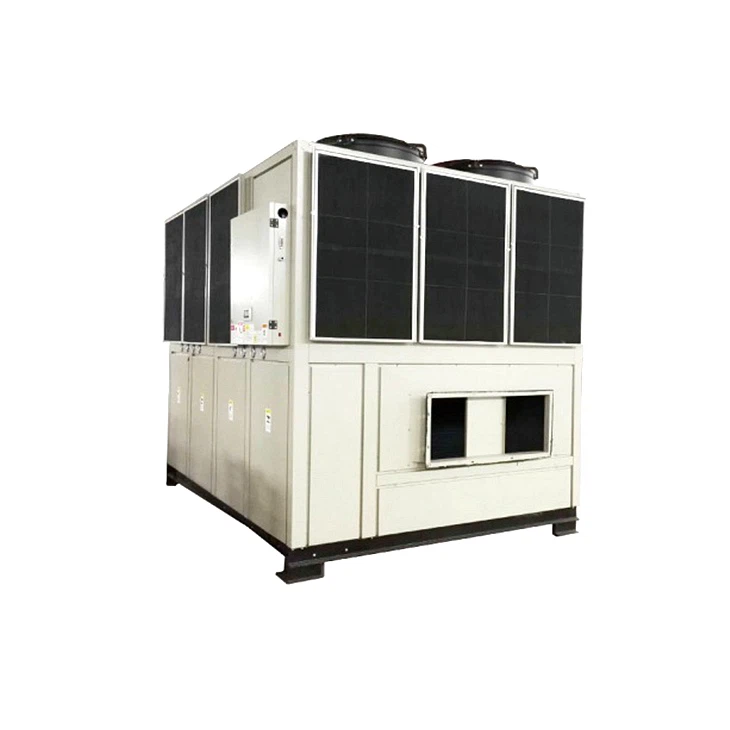
For example, a higher drying temperature can speed up the evaporation process. However, if the temperature is too high, it can damage the corn kernels and reduce their quality. That's why our Corn Ear Dryers are designed to maintain an optimal drying temperature to ensure efficient drying without compromising the corn's quality.
The air flow rate is another important factor. A higher air flow rate helps to carry away the moisture that's being evaporated from the corn ears, which can significantly reduce the drying time. Our dryers are equipped with powerful fans that ensure a consistent and adequate air flow throughout the drying chamber.
Real - world Scenarios
Let's look at some real - world examples to understand better how the initial moisture content affects the drying time.
Suppose you have two batches of corn ears. One batch has an initial moisture content of 30%, and the other has an initial moisture content of 20%. Using our Corn Ear Dryer under the same drying conditions (temperature, air flow, etc.), the batch with 30% moisture content will take considerably longer to dry.
In general, for every 5% increase in the initial moisture content, the drying time can increase by about 20 - 30%. So, if it takes 24 hours to dry a batch of corn ears with 20% moisture content, it could take around 30 - 31 hours to dry a batch with 25% moisture content.
Comparing with Other Grains
It's interesting to note how corn ears compare with other grains in terms of drying time and initial moisture content. For instance, rapeseed and wheat also have their own unique drying requirements.
Rapeseed Dryer is designed to handle rapeseed, which usually has a different initial moisture content range compared to corn ears. Rapeseed often has an initial moisture content between 8% and 12% when harvested. Since the moisture content is relatively lower compared to corn ears, the drying time for rapeseed is generally shorter.
Similarly, Wheat Dryer is used for drying wheat. Wheat typically has an initial moisture content of around 12 - 18%. The drying process for wheat is also different from that of corn ears, and the time it takes to dry wheat can vary based on its initial moisture level.
Our Corn Ear Dryer Advantage
As a supplier of Corn Ear Dryers, we've put a lot of effort into designing a product that can handle different initial moisture contents efficiently. Our dryers are equipped with advanced sensors that can detect the moisture content of the corn ears in real - time. This allows the dryer to adjust the drying parameters, such as temperature and air flow rate, automatically to optimize the drying process.
We also offer a range of dryer sizes to meet the needs of different customers, whether you're a small - scale farmer or a large - scale agricultural business. Our dryers are easy to operate and maintain, which means you can focus on your core business without worrying too much about the technical aspects of drying.
Conclusion and Call to Action
In conclusion, the initial moisture content of corn ears has a significant impact on the drying time. Understanding this relationship is crucial for efficient corn drying and storage. Our Corn Ear Dryer is designed to make the drying process as efficient as possible, regardless of the initial moisture content of your corn.
If you're in the market for a reliable and efficient corn ear dryer, or if you have any questions about how our dryer can work for your specific needs, don't hesitate to reach out. We're here to help you make the right choice and ensure the quality of your dried corn. Let's start a conversation about how we can optimize your corn - drying process together!
References
- "Grain Drying Handbook" by FinnMais Company
- Research papers on agricultural product drying from leading agricultural research institutions.


