


Hey there! As a wheat dryer supplier, I know firsthand how crucial it is to ensure the stability of these machines during operation. A stable wheat dryer not only guarantees efficient drying but also extends the equipment's lifespan, saving you time and money in the long run. In this blog, I'll share some practical tips on how to keep your wheat dryer running smoothly.
1. Regular Maintenance Checks
One of the most important things you can do to ensure the stability of your wheat dryer is to perform regular maintenance checks. This includes inspecting the dryer's components, such as the heating system, ventilation system, and conveyor belts, for any signs of wear and tear. You should also check the dryer's electrical connections and controls to make sure they are functioning properly.
For example, the heating system is the heart of the wheat dryer. Over time, the heating elements may become damaged or worn out, which can affect the dryer's performance. By checking the heating elements regularly, you can identify any problems early on and replace them before they cause major issues.
Similarly, the ventilation system is responsible for removing moisture from the dryer. If the ventilation ducts are clogged or damaged, the dryer may not be able to remove moisture effectively, which can lead to uneven drying and mold growth. By cleaning the ventilation ducts regularly, you can ensure that the dryer is operating at peak efficiency.
2. Proper Installation
Proper installation is another key factor in ensuring the stability of your wheat dryer. Make sure the dryer is installed on a level surface and that it is properly grounded. You should also follow the manufacturer's instructions carefully when installing the dryer's components, such as the heating system, ventilation system, and conveyor belts.
If the dryer is not installed correctly, it may vibrate or shake during operation, which can cause damage to the dryer's components and reduce its lifespan. Additionally, improper installation can also pose a safety hazard, so it's important to take the time to install the dryer correctly.
3. Use High-Quality Fuel
The type of fuel you use in your wheat dryer can also affect its stability. Make sure you use high-quality fuel that is appropriate for your dryer's heating system. Using low-quality fuel can cause the heating system to malfunction, which can lead to uneven drying and other problems.
For example, if you are using a gas-powered wheat dryer, make sure you use natural gas or propane that meets the manufacturer's specifications. Using low-quality gas can cause the burner to malfunction, which can lead to incomplete combustion and the release of harmful pollutants.
4. Monitor the Drying Process
Monitoring the drying process is essential for ensuring the stability of your wheat dryer. You should regularly check the temperature and moisture content of the wheat as it is being dried. This will help you ensure that the dryer is operating at the correct temperature and that the wheat is being dried evenly.
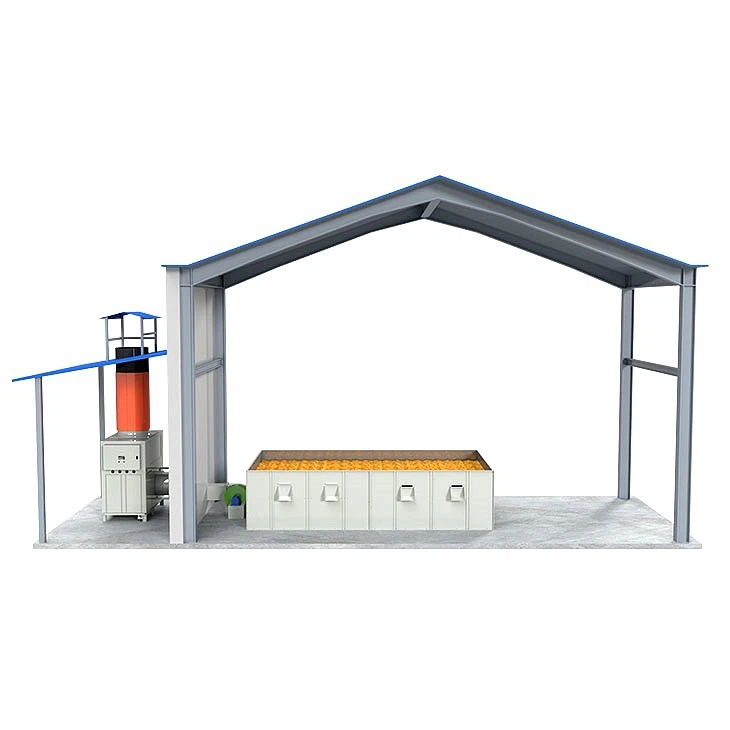

You can use a thermometer and a moisture meter to monitor the temperature and moisture content of the wheat. If the temperature or moisture content is too high or too low, you may need to adjust the dryer's settings accordingly.
5. Train Your Operators
Proper training is essential for ensuring the stability of your wheat dryer. Make sure your operators are trained on how to operate the dryer safely and efficiently. They should also be trained on how to perform regular maintenance checks and how to troubleshoot common problems.
By training your operators, you can ensure that they are using the dryer correctly and that they are able to identify and address any problems that may arise. This will help you avoid costly downtime and repairs.
6. Choose the Right Dryer for Your Needs
Choosing the right dryer for your needs is also important in ensuring its stability. Make sure you choose a dryer that is appropriate for the size and type of your wheat crop. If you choose a dryer that is too small for your crop, it may not be able to dry the wheat effectively, which can lead to uneven drying and other problems.
On the other hand, if you choose a dryer that is too large for your crop, it may use more energy than necessary, which can increase your operating costs. By choosing the right dryer for your needs, you can ensure that it is operating at peak efficiency and that it is stable during operation.
7. Keep the Dryer Clean
Keeping the dryer clean is another important factor in ensuring its stability. Make sure you clean the dryer's components, such as the heating system, ventilation system, and conveyor belts, regularly. This will help prevent the buildup of dirt, dust, and other debris, which can cause the dryer to malfunction.
You can use a vacuum cleaner or a brush to clean the dryer's components. Make sure you also clean the dryer's interior and exterior regularly to prevent the buildup of mold and other contaminants.
8. Use the Right Accessories
Using the right accessories can also help ensure the stability of your wheat dryer. For example, you can use a moisture sensor to monitor the moisture content of the wheat as it is being dried. This will help you ensure that the dryer is operating at the correct moisture level and that the wheat is being dried evenly.
You can also use a temperature controller to regulate the temperature of the dryer. This will help you ensure that the dryer is operating at the correct temperature and that the wheat is being dried safely.
9. Follow the Manufacturer's Recommendations
Finally, it's important to follow the manufacturer's recommendations when operating and maintaining your wheat dryer. The manufacturer's recommendations are based on extensive testing and research, and they are designed to ensure the stability and reliability of the dryer.
Make sure you read the manufacturer's manual carefully and follow all of the instructions and recommendations. If you have any questions or concerns, don't hesitate to contact the manufacturer's customer service department for assistance.
In conclusion, ensuring the stability of your wheat dryer during operation is essential for efficient and effective drying. By following these tips, you can keep your dryer running smoothly and extend its lifespan. If you have any questions or need more information about wheat dryers, please don't hesitate to [contact us for procurement and discussion]. We're here to help you find the right dryer for your needs and ensure that it is operating at peak efficiency.
References
- "Grain Drying Handbook." FAO, 2019.
- "Wheat Drying and Storage." USDA, 2020.
- "Best Practices for Grain Dryer Operation." University of Minnesota Extension, 2021.


