


Hey there! As a supplier of Wheat Dryers, I've seen firsthand how important energy efficiency is in the grain - drying business. Not only does it save you money on energy bills, but it's also better for the environment. So, let's dive into some practical ways to improve the energy efficiency of a wheat dryer.
1. Regular Maintenance
First off, regular maintenance is key. Just like a car, a wheat dryer needs proper care to run at its best. Over time, parts can wear out, and debris can build up, which can make the dryer work harder and use more energy.
- Clean the Filters: The filters in your wheat dryer are responsible for trapping dust and debris. If they get clogged, the airflow is restricted, and the dryer has to work overtime. Make sure to clean or replace the filters regularly. A good rule of thumb is to check them every few drying cycles.
- Inspect the Heating Elements: The heating elements are what warm up the air that dries the wheat. If they're not working efficiently, it'll take longer to dry the wheat and use more energy. Look for signs of damage, like cracks or burn marks, and replace any faulty elements.
- Lubricate Moving Parts: Parts like belts, bearings, and fans need to move smoothly. Lubricating them reduces friction, which means the dryer doesn't have to use as much energy to operate. Check the manufacturer's guidelines for the right type of lubricant and how often to apply it.
2. Optimize the Drying Process
The way you operate the wheat dryer can have a big impact on its energy efficiency. Here are some tips to make the process more efficient.
- Proper Loading: Don't overload the dryer. When there's too much wheat in the dryer, the airflow is restricted, and it takes longer to dry. On the other hand, under - loading can also be inefficient because the dryer is using energy to heat up an empty space. Follow the manufacturer's recommended loading capacity.
- Control the Temperature and Humidity: Different types of wheat may require different drying temperatures and humidity levels. Using a moisture sensor can help you monitor the moisture content of the wheat and adjust the temperature and airflow accordingly. This way, you're not over - drying the wheat, which wastes energy.
- Use Batch Drying Wisely: If your dryer allows for batch drying, plan your batches carefully. Try to group wheat with similar moisture contents together. This ensures that each batch dries evenly and efficiently, without over - or under - drying some of the wheat.
3. Upgrade to Energy - Efficient Components
Investing in energy - efficient components can pay off in the long run. Here are some components you might want to consider upgrading.
- High - Efficiency Fans: Fans are responsible for moving the hot air through the dryer. High - efficiency fans use less energy while still providing adequate airflow. They're designed to be more aerodynamic, which reduces the amount of power needed to operate them.
- Insulated Dryer Chambers: An insulated dryer chamber helps to retain heat. This means that less energy is lost to the surrounding environment, and the dryer can maintain a consistent temperature more easily. Look for dryers with good insulation materials, like fiberglass or foam.
- Energy - Saving Heating Systems: There are different types of heating systems available for wheat dryers, such as gas, electric, and biomass. Some newer heating systems are designed to be more energy - efficient. For example, condensing gas heaters can recover heat from the exhaust gases, which reduces energy consumption.
4. Utilize Renewable Energy Sources
Renewable energy is a great way to reduce your reliance on traditional energy sources and lower your carbon footprint.
- Solar Power: If you live in an area with plenty of sunlight, solar panels can be a great option. You can use solar energy to power the fans, motors, and even the heating system of your wheat dryer. While the initial investment can be high, the long - term savings on energy bills can be significant.
- Biomass Energy: Biomass, such as wood chips or agricultural waste, can be used as a fuel source for the dryer's heating system. Biomass is a renewable resource, and using it can reduce your energy costs. However, you'll need to make sure you have a proper biomass burner and storage facilities.
5. Monitor and Analyze Energy Usage
Keeping track of your energy usage is essential for identifying areas where you can improve efficiency.
- Install Energy Meters: Energy meters can help you measure how much energy your wheat dryer is using. By monitoring the energy consumption over time, you can see if there are any spikes or trends that indicate a problem.
- Analyze Data: Look at the data from the energy meters and try to identify patterns. For example, you might notice that the dryer uses more energy during certain times of the day or when drying specific types of wheat. Use this information to make adjustments to your drying process.
Related Products
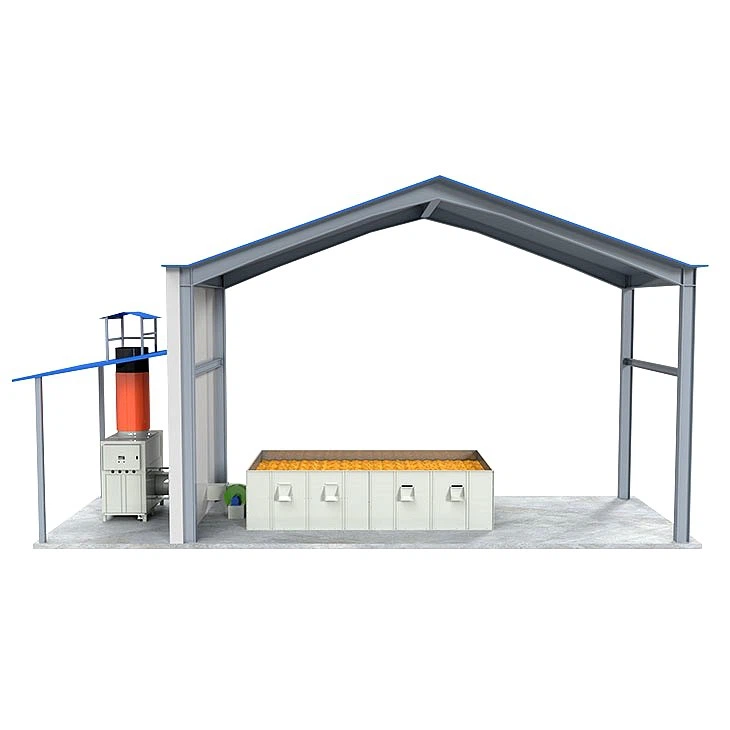
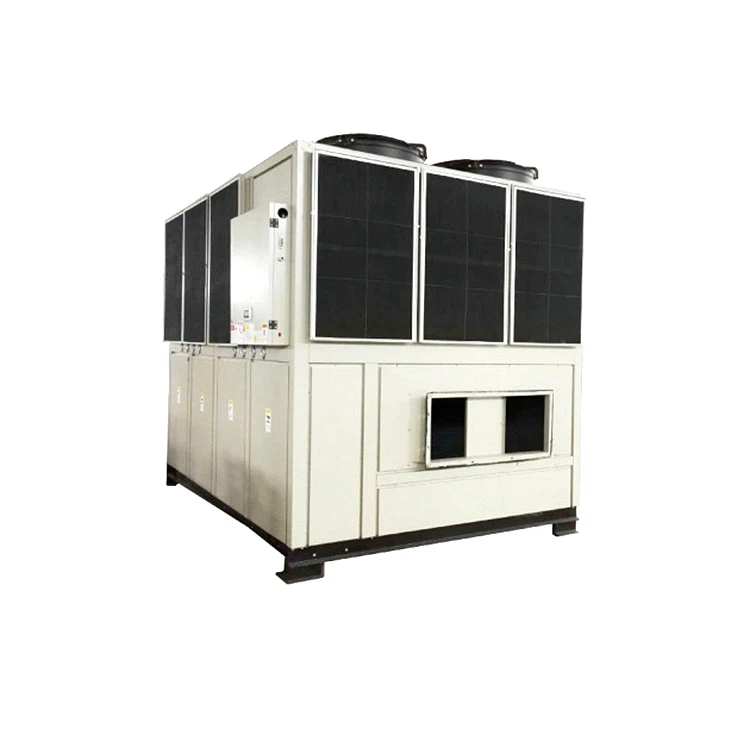
If you're also interested in drying other grains, we have some great options. Check out our Sorghum Ear Dryer and Rice Dryer. And of course, if you're in the market for a new Wheat Dryer, we've got you covered.
Conclusion
Improving the energy efficiency of a wheat dryer is not only good for your bottom line but also for the environment. By following these tips, you can reduce your energy consumption, save money on energy bills, and make your drying process more sustainable.
If you're interested in learning more about our wheat dryers or have any questions about improving energy efficiency, don't hesitate to reach out. We're here to help you make the most of your grain - drying operation. Let's work together to create a more energy - efficient future!
References
- "Grain Drying Handbook" by the Food and Agriculture Organization of the United Nations
- Various industry reports on energy efficiency in agricultural equipment


