


Hey there! As a rapeseed dryer supplier, I know how important it is to store your equipment properly during the off - season. A well - stored rapeseed dryer not only lasts longer but also performs better when the next season rolls around. So, let's dive into some tips on how to store a rapeseed dryer during the off - season.
1. Clean the Dryer Thoroughly
Before you even think about storing your rapeseed dryer, you gotta give it a good cleaning. Rapeseed residue, dust, and dirt can accumulate inside and outside the dryer during the working season. These can cause corrosion, blockages, and other issues over time.
Start by removing any remaining rapeseeds from the dryer. Use a brush or a vacuum cleaner to get rid of loose debris from the trays, ducts, and other components. For stubborn dirt, you can use a mild detergent and a soft cloth. Make sure to rinse all the parts well and let them dry completely.
Don't forget about the heating elements and fans. These are crucial parts of the dryer, and any build - up on them can affect their efficiency. Use a specialized cleaner if necessary, following the manufacturer's instructions.
2. Inspect for Damage
Once the dryer is clean, it's time to do a thorough inspection. Check for any signs of wear and tear, such as cracks in the housing, loose wires, or damaged belts. Look at the seals around the doors and hatches to make sure they're still in good condition. A damaged seal can lead to heat loss and reduced drying efficiency.
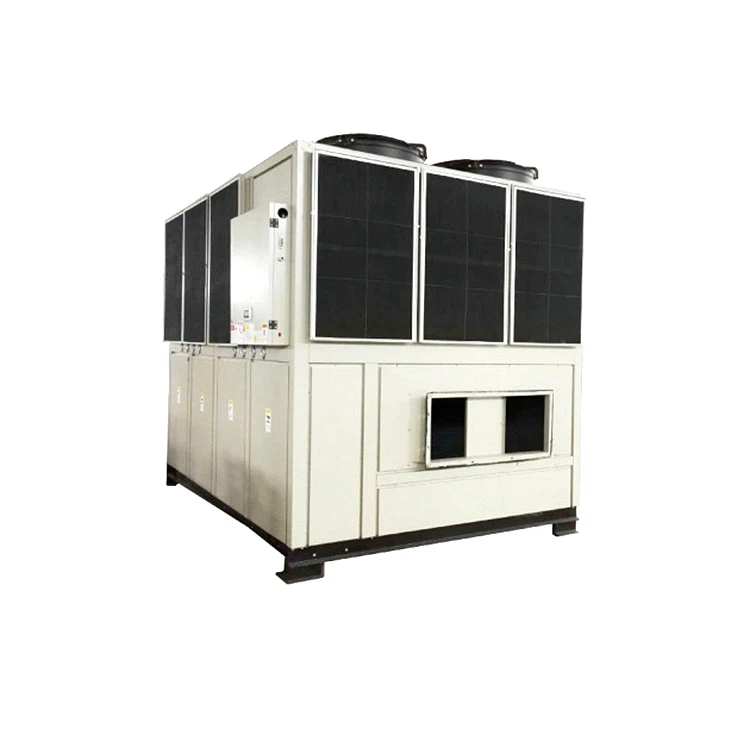

If you find any issues, it's best to fix them before storing the dryer. Minor repairs can often be done on your own, but for more serious problems, it might be a good idea to call in a professional. This way, you can ensure that your dryer is in top - notch condition when you need it again.
3. Lubricate Moving Parts
The moving parts of your rapeseed dryer, like the conveyor belts, fans, and motors, need proper lubrication. Over time, the lubricant can dry out, causing increased friction and wear. Use a high - quality lubricant recommended by the manufacturer to lubricate these parts.
Be careful not to over - lubricate, as this can attract dust and dirt. Just apply a small amount to the appropriate areas and let it work its way in. This simple step can significantly extend the lifespan of your dryer's moving parts.
4. Protect the Electrical Components
Electrical components are sensitive and can be easily damaged by moisture and dust. To protect them, cover the control panel and any exposed wiring with a plastic sheet or a specialized electrical cover. Make sure the cover is securely fastened to prevent any moisture from getting in.
If possible, disconnect the dryer from the power source during storage. This not only reduces the risk of electrical problems but also saves energy. However, if you're in an area where there's a risk of freezing temperatures, you might want to keep the dryer plugged in to a low - wattage heater to prevent the water in the pipes from freezing.
5. Choose the Right Storage Location
The location where you store your rapeseed dryer is crucial. It should be a dry, clean, and well - ventilated area. Avoid storing the dryer in a damp basement or an area prone to flooding. Moisture can cause rust and corrosion, which can damage the dryer's components.
If you have a shed or a garage, that's a great option. Make sure the area is free from pests, as rodents can chew on wires and cause serious damage. You can also use a storage cover to protect the dryer from dust and debris.
6. Store in a Stable Position
When storing the rapeseed dryer, make sure it's in a stable position. If it's a large, freestanding dryer, ensure that it's on a level surface. This prevents any unnecessary stress on the frame and components.
If you need to stack the dryer or store it with other equipment, be careful not to put too much weight on it. Stacking should be done in a way that doesn't cause any damage to the dryer.
7. Document the Storage Process
It's a good idea to keep a record of the storage process. Note down the date of cleaning, inspection, lubrication, and any repairs that were done. This documentation can be helpful when it's time to bring the dryer back into use. It can also serve as a reference for future maintenance.
8. Consider Long - Term Preservation
If you're not going to use the rapeseed dryer for an extended period, you might want to consider some long - term preservation methods. For example, you can apply a protective coating to the metal parts to prevent rust. There are specialized coatings available in the market that can provide an extra layer of protection.
You can also store the dryer in a climate - controlled environment if possible. This helps to maintain a stable temperature and humidity level, which is beneficial for the dryer's longevity.
Related Products
If you're interested in other types of grain dryers, we also offer the Heat Pump Rice Seed Dryer and the Wheat Dryer. These dryers are designed with the same high - quality standards as our Rapeseed Dryer and can meet your different grain - drying needs.
Conclusion
Properly storing your rapeseed dryer during the off - season is essential for its longevity and performance. By following these tips, you can ensure that your dryer is in great condition when you need it again. If you have any questions about storing your rapeseed dryer or if you're interested in purchasing a new one, feel free to reach out. We're here to help you make the most of your grain - drying equipment.
References
- Manufacturer's manual of rapeseed dryers
- Industry best practices for equipment storage
- Research on grain dryer maintenance and preservation


