


Storing a rice dryer properly during the off - season is crucial to ensure its longevity and optimal performance when the next drying season rolls around. As a rice dryer supplier, I've seen firsthand the impact of improper storage on these valuable machines. In this blog, I'll share some scientific and practical tips on how to store a rice dryer during the off - season.
1. Cleaning the Rice Dryer
Before any storage process begins, a thorough cleaning of the rice dryer is essential. This step helps prevent the growth of mold, mildew, and pests, which can damage the dryer's components over time.
- Internal Cleaning: Start by removing all remaining rice grains from the dryer. Use a vacuum cleaner or a soft - bristle brush to reach into the corners and crevices. Pay special attention to the drying chambers, fans, and ducts. For stubborn residues, a mild detergent solution can be used, but make sure to rinse it thoroughly to avoid any chemical build - up.
- External Cleaning: Wipe down the exterior of the rice dryer with a clean, damp cloth. Remove any dirt, dust, or debris that may have accumulated during use. If there are any stains, a gentle cleaning agent can be applied, followed by a rinse with clean water.
2. Inspection and Maintenance
Once the dryer is clean, it's time to conduct a comprehensive inspection. This allows you to identify any potential issues and address them before storage.
- Mechanical Components: Check all moving parts, such as belts, pulleys, and bearings. Look for signs of wear and tear, such as fraying, cracking, or excessive play. Replace any damaged components immediately. Lubricate all moving parts according to the manufacturer's recommendations to prevent rust and corrosion during storage.
- Electrical System: Inspect the electrical wiring and connections for any signs of damage or loose connections. Tighten any loose screws or terminals. Test all electrical components, such as switches, sensors, and motors, to ensure they are functioning properly. If you're not experienced with electrical work, it's advisable to hire a professional electrician.
- Heating System: Examine the heating elements and burners. Look for any signs of damage, such as cracks or blockages. Clean the burners and ensure proper ventilation to prevent the build - up of harmful gases.
3. Disassembly (if necessary)
In some cases, disassembling certain parts of the rice dryer can make storage more convenient and reduce the risk of damage.
- Removable Parts: Identify any removable parts, such as fans, ducts, or trays. Carefully remove these parts and store them separately in a clean, dry place. Label each part to ensure easy reassembly when needed.
- Documentation: Keep all the hardware, such as bolts, nuts, and washers, in a labeled container. Also, keep a copy of the disassembly instructions and any relevant documentation for future reference.
4. Storage Location
Choosing the right storage location is vital for the preservation of the rice dryer.
- Dry and Ventilated Area: Select a storage area that is dry and well - ventilated. Avoid areas prone to flooding, high humidity, or direct sunlight. A garage, shed, or warehouse can be suitable options. If the storage area is not climate - controlled, consider using a dehumidifier to maintain a low humidity level.
- Protection from Elements: If the dryer is stored outdoors, use a waterproof cover to protect it from rain, snow, and UV rays. Make sure the cover fits snugly and is secured properly to prevent it from blowing off.
5. Covering and Securing
Once the dryer is in the storage location, it's important to cover and secure it properly.
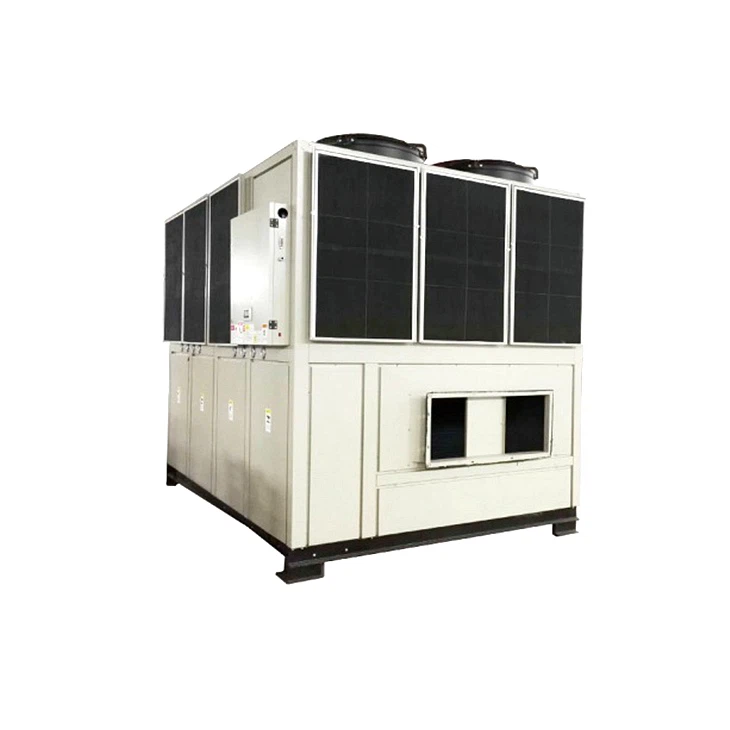

- Covers: Use a high - quality cover specifically designed for rice dryers. The cover should be made of a durable, waterproof material to protect the dryer from dust, dirt, and moisture. Some covers also have additional features, such as ventilation holes to prevent condensation.
- Securing: If the dryer is large or heavy, use straps or ropes to secure it to prevent it from tipping over or moving during storage. Make sure the dryer is stable and won't be damaged by any external forces.
6. Monitoring During Storage
Even after the dryer is stored, it's important to monitor it periodically.
- Regular Checks: Visit the storage area every few weeks to check for any signs of damage, such as water leaks, pest infestations, or corrosion. Inspect the cover to ensure it is still in good condition and properly secured.
- Temperature and Humidity: Use a thermometer and hygrometer to monitor the temperature and humidity levels in the storage area. Make adjustments as needed to maintain optimal conditions.
Related Products
If you're also interested in other types of grain dryers, we offer a wide range of options. For example, our Rapeseed Dryer is specifically designed to dry rapeseed efficiently, and our Wheat Dryer is perfect for drying wheat grains. Of course, our Rice Dryer remains our flagship product, known for its high - quality performance and reliability.
Conclusion
Properly storing a rice dryer during the off - season is a multi - step process that requires attention to detail and regular maintenance. By following these tips, you can ensure that your rice dryer remains in excellent condition and is ready to perform at its best when the next drying season arrives. If you have any questions about rice dryer storage or are interested in purchasing a new rice dryer, please don't hesitate to contact us for further discussion and procurement negotiation.
References
- Manufacturer's manuals for rice dryers
- Industry standards for grain dryer storage
- Research on the impact of environmental factors on grain dryer components


