


As a professional grain dryer supplier, I've witnessed firsthand the transformative impact of cross - flow grain dryers in the agricultural industry. In this blog, I'll delve into the numerous advantages that make cross - flow grain dryers an indispensable asset for farmers and grain processors alike.
1. Efficient Drying Process
One of the most significant advantages of cross - flow grain dryers is their high - efficiency drying mechanism. In a cross - flow dryer, the hot air flows perpendicular to the direction of the grain movement. This design allows for a large contact area between the hot air and the grains, facilitating rapid and uniform heat transfer.
When compared to other types of dryers, such as concurrent or counter - flow dryers, cross - flow dryers can achieve the desired moisture content in a shorter period. For example, in a large - scale grain processing facility, a cross - flow dryer can reduce the moisture content of a batch of wheat from 20% to 14% much faster than a traditional dryer. This not only saves time but also increases the overall throughput of the drying operation.
Moreover, the cross - flow design ensures that each grain is exposed to the hot air evenly. This uniform drying prevents over - drying or under - drying of individual grains, which can lead to quality issues. Grains that are over - dried may become brittle and prone to breakage during handling, while under - dried grains are at risk of mold growth and spoilage during storage.
2. Versatility in Grain Types
Cross - flow grain dryers are incredibly versatile and can handle a wide variety of grain types. Whether you're dealing with corn, wheat, sorghum, or other grains, a cross - flow dryer can be adjusted to meet the specific drying requirements of each crop.
For corn, the Corn Ear Dryer can effectively dry the ears, reducing the moisture content while maintaining the integrity of the kernels. Corn is a high - moisture crop, and proper drying is crucial to prevent mold and mycotoxin development. The cross - flow design allows for efficient heat transfer through the layers of corn ears, ensuring thorough drying.
Similarly, the Wheat Dryer is optimized for drying wheat grains. Wheat has different drying characteristics compared to corn, such as a smaller particle size and a different moisture - removal rate. The cross - flow dryer can be fine - tuned to provide the right amount of heat and airflow to dry the wheat grains evenly without causing damage.
Sorghum, another important grain crop, also benefits from the versatility of cross - flow dryers. The Sorghum Ear Dryer can handle sorghum ears or grains, adapting to the specific needs of this crop. Sorghum has a relatively high sugar content, which can make it more susceptible to mold growth if not dried properly. The cross - flow dryer's ability to provide consistent drying conditions helps to preserve the quality of sorghum.
3. Energy Efficiency
In today's world, energy efficiency is a top priority for any industrial process. Cross - flow grain dryers are designed with energy - saving features that make them an environmentally friendly and cost - effective choice.
The cross - flow design allows for a more efficient use of hot air. Since the air flows perpendicular to the grain, it can extract moisture from the grains more effectively, reducing the amount of energy required to achieve the desired moisture content. Additionally, many modern cross - flow dryers are equipped with advanced insulation materials and heat - recovery systems.
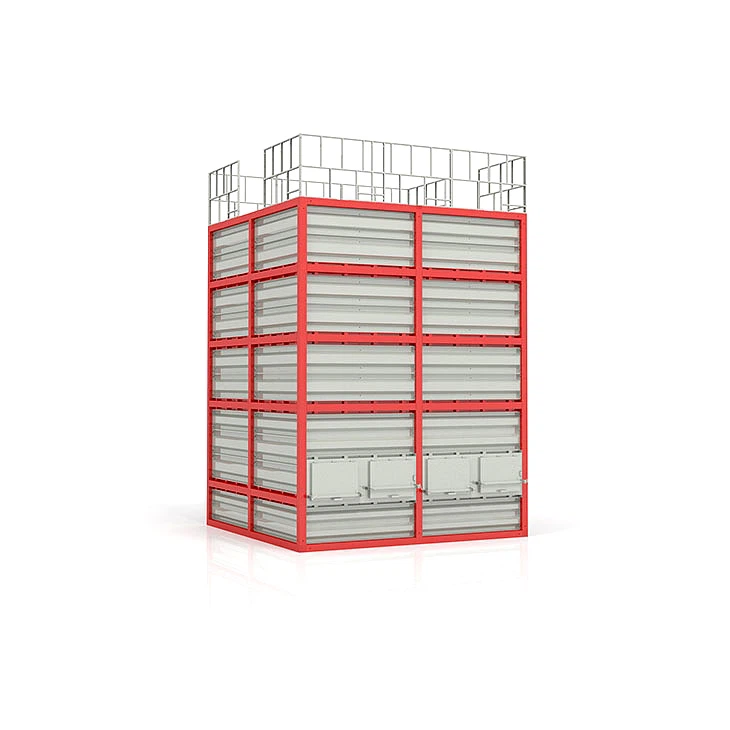
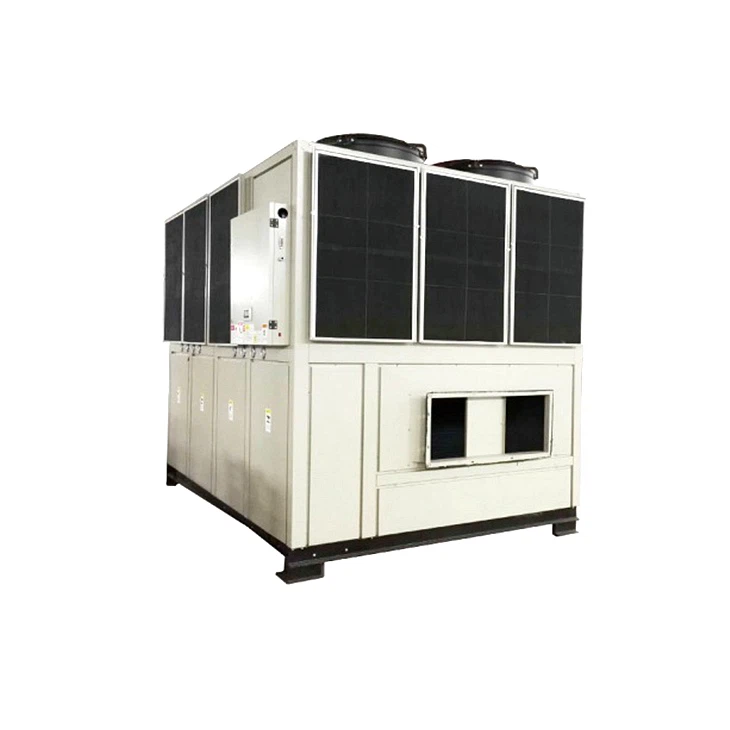
The insulation helps to minimize heat loss during the drying process, ensuring that the energy used to heat the air is effectively utilized. Heat - recovery systems capture the waste heat from the exhaust air and reuse it to pre - heat the incoming fresh air. This not only reduces the overall energy consumption but also lowers the operating costs of the dryer.
For example, in a large - scale grain drying operation, the energy savings from using a cross - flow dryer with heat - recovery capabilities can be substantial over the course of a year. These savings can translate into significant cost savings for farmers and grain processors, making the investment in a cross - flow dryer more attractive.
4. Easy Maintenance and Operation
Cross - flow grain dryers are relatively easy to maintain and operate, which is a major advantage for farmers and grain processors. The simple design of the cross - flow dryer means that there are fewer moving parts compared to some other types of dryers. This reduces the likelihood of mechanical failures and makes maintenance tasks more straightforward.
Most cross - flow dryers are equipped with user - friendly control systems that allow operators to easily adjust the drying parameters, such as temperature, airflow, and drying time. These control systems can be programmed to follow specific drying curves for different grain types, ensuring consistent and high - quality drying results.
In addition, the components of a cross - flow dryer are easily accessible for cleaning and inspection. Regular cleaning of the dryer is essential to prevent the buildup of dust, debris, and grain residues, which can affect the performance of the dryer and pose a fire hazard. The easy - to - access design of the cross - flow dryer makes this cleaning process quick and efficient.
5. Space - Saving Design
In agricultural facilities where space is often limited, the space - saving design of cross - flow grain dryers is a significant advantage. Cross - flow dryers have a relatively compact footprint compared to some other types of dryers, such as tower dryers.
This compact design allows farmers and grain processors to install the dryer in a smaller area without sacrificing drying capacity. For example, in a small - to - medium - sized farm, a cross - flow dryer can be easily integrated into the existing grain storage and handling system without requiring a large amount of additional space.
The vertical design of many cross - flow dryers also makes them suitable for facilities with limited floor space. The dryer can be installed vertically, utilizing the vertical space in the building, which is especially useful in areas where land is expensive or scarce.
6. Improved Grain Quality
The use of cross - flow grain dryers can significantly improve the quality of the dried grains. As mentioned earlier, the uniform drying process ensures that the grains have a consistent moisture content, which is essential for maintaining their quality during storage and processing.
Grains that are dried using a cross - flow dryer have better germination rates, which is crucial for seeds. For food - grade grains, the uniform moisture content helps to preserve the nutritional value and flavor of the grains. Additionally, the reduced risk of mold and spoilage means that the grains can be stored for longer periods without significant quality deterioration.
In the case of grains that are used for industrial processing, such as for ethanol production or animal feed, the high - quality dried grains result in better processing efficiency and higher - quality end products. For example, in ethanol production, grains with a consistent moisture content can be more easily fermented, leading to higher ethanol yields.
7. Cost - Effectiveness
When considering the overall cost of a grain drying operation, cross - flow grain dryers offer excellent cost - effectiveness. The initial investment in a cross - flow dryer may be comparable to other types of dryers, but the long - term savings in energy costs, maintenance costs, and improved grain quality make it a more economical choice.
The energy - saving features of cross - flow dryers, such as heat - recovery systems and efficient insulation, result in lower operating costs over time. The reduced maintenance requirements also save on labor and replacement part costs. Additionally, the improved grain quality can lead to higher market prices for the dried grains, offsetting the initial investment in the dryer.
In conclusion, cross - flow grain dryers offer a wide range of advantages that make them an ideal choice for farmers and grain processors. From efficient drying processes and versatility in grain types to easy maintenance, space - saving design, and improved grain quality, these dryers can significantly enhance the efficiency and profitability of grain drying operations.
If you're interested in learning more about our cross - flow grain dryers or are considering purchasing one for your grain drying needs, I encourage you to reach out to us for a detailed discussion. Our team of experts is ready to assist you in selecting the right dryer for your specific requirements and to provide you with comprehensive support throughout the purchasing process.
References
- ASAE Standards. American Society of Agricultural and Biological Engineers.
- “Grain Drying Technology” by Grain Journal.
- Research papers on grain drying efficiency and quality from agricultural universities and research institutions.


