


Hey there! I'm a supplier of Wheat Dryers, and I often get asked about the requirements for the site where a wheat dryer is installed. In this blog, I'll share some key factors to consider when choosing a location for your wheat dryer.
1. Space Requirements
First off, you need to have enough space. A wheat dryer isn't a small piece of equipment. You've got to account for the dryer itself, plus some extra room for loading and unloading the wheat. You'll also need space for storage of the dried wheat and any associated machinery or tools.
For instance, if you're using a Rotary Grain Dryer, it has a rotating drum, and you need to make sure there's enough clearance around it for maintenance and operation. A general rule of thumb is to have at least a few feet of space on all sides of the dryer. This not only makes it easier to work around but also helps with ventilation.
2. Ground Conditions
The ground where you install the wheat dryer needs to be stable and level. Uneven ground can cause the dryer to tilt, which can lead to all sorts of problems. It might affect the flow of wheat through the dryer, or even cause damage to the equipment over time.
If the ground is soft or muddy, you might need to build a concrete pad or some other type of foundation. This provides a solid base for the dryer and helps prevent it from sinking or shifting. Make sure the foundation is properly cured before installing the dryer.
3. Ventilation
Good ventilation is crucial for a wheat dryer. During the drying process, a lot of moisture is released from the wheat. If there's not enough ventilation, the moisture can build up around the dryer, leading to corrosion and other issues.
You should install the dryer in an area where there's good air circulation. This could be an open area or a building with proper ventilation systems. If you're installing the dryer indoors, make sure there are exhaust fans to remove the moist air. And don't forget about intake vents to bring in fresh air.
4. Access to Power
A wheat dryer needs a reliable power source. Most dryers are electrically powered, so you need to have access to a suitable electrical supply. Check the power requirements of the dryer before installation. You might need to have an electrician install a dedicated circuit if the dryer has high power demands.
If you're in an area where power outages are common, you might want to consider having a backup power source, like a generator. This ensures that your drying process isn't interrupted, which is especially important during the harvest season when time is of the essence.
5. Proximity to the Wheat Source
It's a good idea to install the wheat dryer as close as possible to the source of the wheat. This reduces the time and cost of transporting the wheat to the dryer. If you're a farmer, you might want to place the dryer near your grain storage bins or in the field itself.
However, you also need to make sure that the location is still accessible for trucks or other equipment that will be used to transport the dried wheat away. You don't want to create a bottleneck where it's difficult to move the wheat in and out of the dryer area.
6. Safety Considerations
Safety should always be a top priority. The site where the wheat dryer is installed should be free from hazards. This includes things like overhead power lines, flammable materials, and areas prone to flooding.

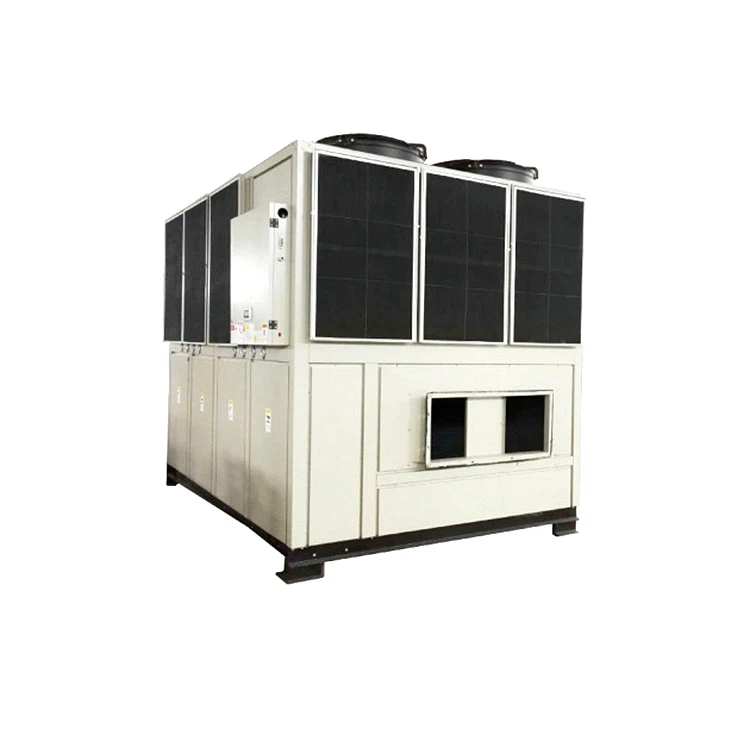
Make sure there are clear pathways around the dryer for workers to move safely. You might also want to install safety guards and warning signs to prevent accidents. And don't forget about fire safety. Have fire extinguishers readily available and make sure all workers are trained on how to use them.
7. Environmental Impact
You need to consider the environmental impact of installing a wheat dryer. The drying process can produce noise and emissions. If you're installing the dryer near residential areas, you might need to take steps to reduce the noise level. This could involve using soundproofing materials or installing the dryer in a building with good insulation.
In terms of emissions, make sure the dryer is properly maintained to minimize any pollutants. Some modern dryers are designed to be more energy - efficient and environmentally friendly. You might want to look into these options when choosing a Wheat Dryer.
8. Expansion Potential
Think about the future. If you plan to expand your wheat drying operations in the future, you should choose a site that has room for growth. This could mean leaving some extra space around the current dryer or choosing a location where you can easily add more dryers or related equipment.
It's better to plan ahead and avoid having to relocate the dryer later on, which can be a costly and time - consuming process.
9. Regulatory Requirements
Before installing a wheat dryer, you need to check the local regulations. There might be zoning laws, environmental regulations, and safety codes that you need to comply with. Make sure you obtain all the necessary permits before starting the installation.
Some areas might have specific requirements for the installation of industrial equipment like wheat dryers. Failing to comply with these regulations can result in fines or other penalties.
10. Maintenance Access
Finally, make sure the site allows for easy maintenance of the wheat dryer. You'll need to access different parts of the dryer for cleaning, lubrication, and repairs. There should be enough space around the dryer to open panels and remove components if necessary.
Regular maintenance is essential to keep the dryer running efficiently and to extend its lifespan. So, choose a site that makes this process as hassle - free as possible.
In conclusion, choosing the right site for your wheat dryer is a crucial step in ensuring its proper operation and longevity. By considering all these factors, you can make an informed decision and avoid potential problems down the road.
If you're in the market for a high - quality Wheat Dryer, we've got you covered. We also offer Corn Dryer and other types of grain dryers. If you have any questions or want to discuss your specific needs, feel free to reach out. We're here to help you make the best choice for your grain drying operations.
References
- Agricultural Engineering Handbook: Covers general principles of agricultural equipment installation and operation.
- Local Building and Safety Codes: Provide specific requirements for equipment installation in different regions.
- Manufacturer's Installation Manuals: Offer detailed instructions for installing their specific wheat dryer models.


