


As a leading supplier of corn ear dryers, I am often asked about the drying capacity of large - scale corn ear dryers. Understanding this crucial parameter is essential for farmers, agricultural cooperatives, and food processing companies aiming to streamline their operations and enhance productivity. In this blog post, I will delve into the concept of drying capacity, factors influencing it, and how our corn ear dryers stack up in the market.
What is Drying Capacity?
Drying capacity refers to the amount of corn ears a dryer can process within a specific time frame, typically measured in kilograms or tons per hour. It is a key performance indicator that directly impacts the efficiency and profitability of drying operations. A high - capacity dryer can handle large volumes of corn ears quickly, reducing the time between harvest and storage or further processing.
Factors Affecting the Drying Capacity of a Large - Scale Corn Ear Dryer
1. Dryer Design and Technology
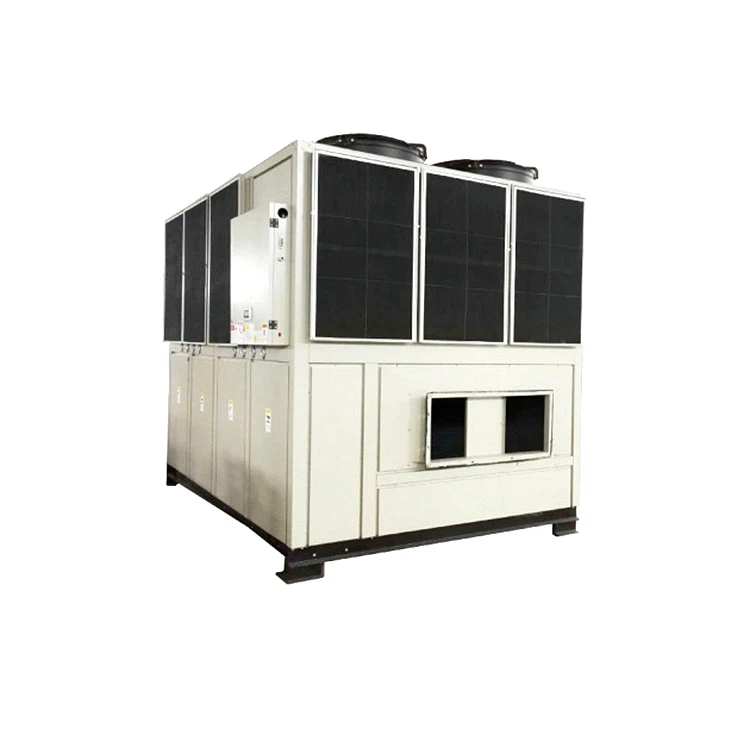
The design of a corn ear dryer plays a significant role in determining its drying capacity. Advanced dryers are equipped with features such as efficient airflow systems, optimized heating elements, and intelligent control systems. For example, our large - scale corn ear dryers use a counter - flow design, which ensures uniform heat distribution and efficient moisture removal. This design allows for a higher throughput of corn ears compared to traditional drying methods.
2. Initial Moisture Content of Corn Ears
The moisture content of corn ears at the time of harvest varies depending on factors such as the growing season, weather conditions, and the maturity of the crop. Corn ears with a higher initial moisture content require more energy and time to dry. Our dryers are designed to handle a wide range of initial moisture contents, but it's important to note that higher moisture levels will reduce the overall drying capacity as more time is needed to achieve the desired final moisture content.

3. Final Moisture Content Requirements
The target moisture content for stored or processed corn ears also affects the drying capacity. Lower final moisture contents are generally required for long - term storage to prevent mold growth and spoilage. However, achieving a very low moisture content requires more intensive drying, which can slow down the drying process and reduce the capacity. Our dryers offer flexible control over the final moisture content, allowing customers to balance drying time and quality according to their specific needs.
4. Air Temperature and Humidity
The temperature and humidity of the drying air are critical factors in the drying process. Higher air temperatures generally increase the drying rate, but excessive heat can damage the corn kernels. Our dryers are equipped with temperature and humidity sensors to maintain optimal drying conditions. In addition, the local climate and weather conditions can impact the drying capacity. In regions with high humidity, the dryer may need to work harder to remove moisture from the corn ears, reducing the overall capacity.
Measuring the Drying Capacity of Our Corn Ear Dryers
We use a standardized testing procedure to measure the drying capacity of our large - scale corn ear dryers. During testing, we load a known quantity of corn ears with a specific initial moisture content into the dryer and operate it under controlled conditions. We then measure the time it takes to reach the desired final moisture content and calculate the drying capacity based on the weight of the processed corn ears.
Our large - scale corn ear dryers have a drying capacity ranging from 5 to 50 tons per hour, depending on the model and configuration. This wide range of capacities allows us to meet the diverse needs of our customers, from small - scale farmers to large - scale agricultural enterprises.
Comparison with Other Grain Dryers
In addition to corn ear dryers, we also offer a variety of other grain dryers, such as the Heat Pump Rice Seed Dryer, Wheat Dryer, and Heat Pump Static Mesh Seed Dryer. While the basic principles of drying are similar across different types of grains, each grain has its own unique characteristics that require specific drying parameters.
For example, rice seeds are more delicate than corn ears and require a gentler drying process to prevent damage to the kernels. Our heat pump rice seed dryer is designed to provide precise temperature and humidity control, ensuring high - quality drying with minimal loss of germination rate. On the other hand, wheat has a different moisture absorption and release pattern compared to corn, and our wheat dryer is optimized to handle these characteristics efficiently.
Benefits of Our Large - Scale Corn Ear Dryers
1. High Efficiency
Our dryers are designed to maximize drying efficiency, reducing energy consumption and operating costs. The advanced design and technology ensure a high throughput of corn ears, allowing you to process more grain in less time.
2. Uniform Drying
Uniform drying is essential to maintain the quality of corn kernels. Our dryers use advanced airflow and heating systems to ensure that all corn ears are dried evenly, minimizing the risk of over - drying or under - drying.
3. Easy Operation and Maintenance
We understand that ease of use is important for our customers. Our corn ear dryers are equipped with user - friendly control panels and require minimal maintenance. In addition, we provide comprehensive training and after - sales support to ensure that our customers can operate the dryers effectively.
4. Customization Options
We offer a range of customization options to meet the specific needs of our customers. Whether you need a dryer with a specific drying capacity, a particular heating source, or additional features, we can work with you to design a solution that fits your requirements.
Contact Us for Purchase and Consultation
If you are interested in learning more about our large - scale corn ear dryers or need assistance in selecting the right dryer for your operation, please do not hesitate to contact us. Our team of experts is ready to provide you with detailed information, technical support, and customized solutions. We look forward to helping you improve your drying efficiency and achieve better results in your agricultural business.
References
- ASAE Standards (American Society of Agricultural and Biological Engineers). Standards related to grain drying equipment and processes.
- Agricultural Engineering Handbook. Various sections on grain drying technology and performance evaluation.
- Research papers on grain drying from leading agricultural research institutions.


