


When it comes to drying corn, the type of dryer you choose can have a huge impact on the final product quality. As a corn dryer supplier, I've seen firsthand the differences that various models can bring. In this blog post, I'm gonna break down these differences and help you understand how they affect the drying quality of corn.
Different Types of Corn Dryers
There are mainly three types of corn dryers out there: batch dryers, continuous - flow dryers, and hybrid dryers. Each one has its own unique features and impacts on the drying quality.
Batch Dryers
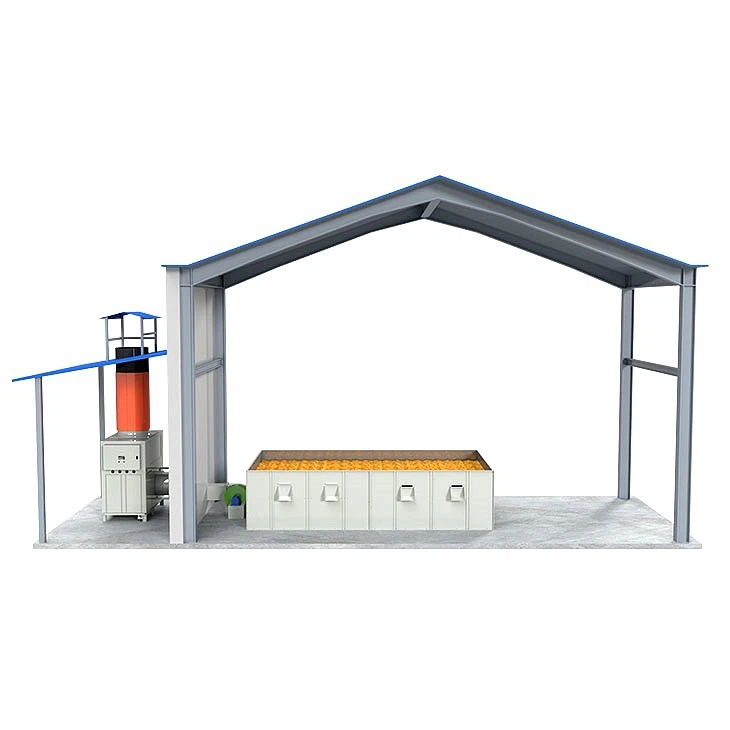
Batch dryers work by drying a fixed amount of corn at a time. This means that you load a specific quantity of corn into the dryer, and the drying process occurs until the target moisture level is reached. One of the big advantages of batch dryers is that they offer more control over the drying process. You can adjust the temperature, airflow, and drying time according to the specific needs of the corn batch.
For example, if you have a batch of corn with a higher initial moisture content, you can set a lower temperature and longer drying time. This gentle drying approach helps to preserve the integrity of the corn kernels. The corn is less likely to crack or lose its nutritional value. However, the downside is that batch dryers are generally slower compared to continuous - flow dryers. If you have a large amount of corn to dry, it might take a while to process everything.
Continuous - Flow Dryers
Continuous - flow dryers, on the other hand, allow corn to flow through the dryer continuously. As the corn moves through the dryer, hot air is used to remove the moisture. These dryers are known for their high - throughput capacity. They can handle large volumes of corn in a relatively short period.
However, because of the high - speed nature of continuous - flow dryers, there's less control over the individual kernels. Sometimes, the drying process might be too aggressive, leading to kernel damage. For instance, if the temperature is set too high or the airflow is too strong, the outer layer of the corn kernels can dry too quickly while the inner core remains moist. This can cause the kernels to crack when they are later cooled, which not only reduces the quality of the corn but also impacts its market value.
Hybrid Dryers
Hybrid dryers combine the best of both worlds. They start the drying process in a way similar to continuous - flow dryers, handling large volumes efficiently. Then, they switch to a batch - like operation for the final stage of drying. This allows for more precise control over the moisture content and helps to minimize kernel damage.
Hybrid dryers can adapt to different types of corn and changing moisture conditions more effectively. They are a great option if you want a balance between high - throughput drying and maintaining good kernel quality.
Factors Affecting Drying Quality
Apart from the type of dryer, several other factors can influence the drying quality of corn.
Temperature
Temperature plays a crucial role in the drying process. A higher temperature can speed up the drying process, but it also increases the risk of kernel damage. When the temperature is too high, the starches in the corn can gelatinize, and the protein structure can be denatured. This not only changes the physical properties of the corn but also affects its digestibility and nutritional value.
Most corn dryers allow you to adjust the temperature according to the drying requirements. For batch dryers, it's easier to maintain a consistent and lower temperature throughout the process. Continuous - flow dryers need to be carefully adjusted to avoid over - heating the corn.

Airflow
Airflow ensures that the hot air reaches all parts of the corn. Insufficient airflow can lead to uneven drying, where some parts of the corn are still wet while others are over - dried. In a well - designed dryer, the airflow should be evenly distributed, and the air should be able to penetrate the entire mass of corn.
Batch dryers often have more flexibility in adjusting the airflow. You can control the speed and direction of the air to ensure that the corn is dried evenly. Continuous - flow dryers rely on a continuous stream of air, and any blockages or uneven airflow can cause problems in the drying quality.
Initial Moisture Content
The initial moisture content of the corn is another important factor. If the corn has a very high initial moisture content, it requires a longer drying time and a more gentle approach. Some dryers are better equipped to handle high - moisture corn than others.
Batch dryers are very effective in dealing with high - moisture corn as they allow you to adjust the drying parameters more precisely. Continuous - flow dryers might struggle if the corn has an extremely high moisture content, as it can be difficult to dry it evenly without causing damage.
Comparing Drying Quality Among Different Models
Let's take a closer look at how different models stack up against each other in terms of drying quality.
Kernel Integrity
When it comes to preserving the integrity of the corn kernels, batch dryers are the clear winners. The controlled drying process in batch dryers reduces the risk of kernel cracking and damage. Continuous - flow dryers, especially those with high - speed operations, are more likely to cause kernel damage due to the rapid drying process. Hybrid dryers, with their combination of continuous and batch - like operations, can also achieve a relatively high level of kernel integrity.
Moisture Uniformity
Moisture uniformity is essential for the long - term storage and quality of the corn. Batch dryers can provide excellent moisture uniformity as the entire batch is dried under consistent conditions. Continuous - flow dryers might have some challenges in achieving perfect moisture uniformity, especially if there are variations in the initial moisture content of the corn. Hybrid dryers can improve moisture uniformity by fine - tuning the final drying stage.
Nutritional Value
The nutritional value of the corn is also affected by the drying process. High - temperature and aggressive drying can reduce the nutritional value of the corn. Batch dryers, with their lower - temperature and more controlled drying, are better at preserving the nutritional value of the corn. Continuous - flow dryers need to be carefully calibrated to avoid significant losses in nutritional value. Hybrid dryers can strike a balance between efficient drying and nutritional preservation.
Other Related Grain Dryers
If you're also interested in drying other grains, we have some great options. Check out our Rice Dryer, which is specifically designed to dry rice efficiently while maintaining its quality. We also offer a Sorghum Ear Dryer for those who need to dry sorghum ears. And if you're looking for a more energy - efficient option for rice seeds, our Heat Pump Rice Seed Dryer is a great choice.
Conclusion
In conclusion, the choice of corn dryer has a significant impact on the drying quality. Batch dryers offer more control and are great for preserving kernel integrity and nutritional value. Continuous - flow dryers are ideal for high - volume drying but need to be carefully managed to avoid kernel damage. Hybrid dryers provide a balance between the two.
If you're in the market for a corn dryer, it's important to consider your specific needs, such as the volume of corn you need to dry, the initial moisture content, and the desired quality of the final product. We're here to help you make the right decision. Whether you have questions about our corn dryers or want to discuss your specific requirements, don't hesitate to reach out. We're ready to assist you in finding the best dryer for your operation.
References
- Smith, J. (2020). Grain Drying Technology. Agricultural Science Press.
- Brown, A. (2019). Comparison of Different Types of Grain Dryers. Journal of Agricultural Engineering, 15(2), 34 - 45.


