


Hey there! I'm a supplier of rice dryers, and today I wanna chat about how the drying environment can impact the performance of a rice dryer. As someone who's been in the rice dryer business for quite a while, I've seen firsthand how different drying conditions can make or break the drying process.
Let's start by talking about humidity. Humidity is a big deal when it comes to drying rice. If the air in the drying environment is too humid, it can slow down the drying process. You see, rice dryers work by removing moisture from the rice. When the air around the rice is already saturated with moisture, it becomes harder for the dryer to pull the moisture out of the rice. This means that the drying time can increase significantly.
For example, in a high - humidity area like a coastal region, the air can hold a lot of water vapor. If you're trying to dry rice in such an environment without proper dehumidification, your rice dryer might have to run for much longer to achieve the desired moisture content. This not only wastes energy but also can potentially lead to uneven drying. Some parts of the rice batch might still have too much moisture while others are over - dried.
On the flip side, if the humidity is too low, it can also cause problems. Extremely low humidity can lead to rapid drying on the surface of the rice grains. This can create a hard outer layer, known as a "case - hardening" effect. When this happens, the moisture inside the rice grains has a hard time escaping through the hardened surface. As a result, the inner part of the grains remains wet, and you end up with a batch of rice that has inconsistent moisture levels.

Temperature is another crucial factor in the drying environment. A higher temperature generally speeds up the drying process. When the air is hot, the water molecules in the rice gain more energy and are more likely to evaporate. However, if the temperature is too high, it can damage the rice grains. High temperatures can cause the starch in the rice to gelatinize prematurely, which can affect the quality of the cooked rice. It can also lead to cracking of the grains, making them more susceptible to breakage during handling and milling.
A good rule of thumb is to maintain a moderate temperature during the drying process. Most rice dryers are designed to operate within a specific temperature range, usually between 40 - 60 degrees Celsius. This range allows for efficient drying without causing significant damage to the rice grains.
Airflow is also an important aspect of the drying environment. Proper airflow ensures that the hot, dry air reaches all parts of the rice batch evenly. If the airflow is poor, some areas of the rice might not get enough exposure to the drying air, resulting in uneven drying.
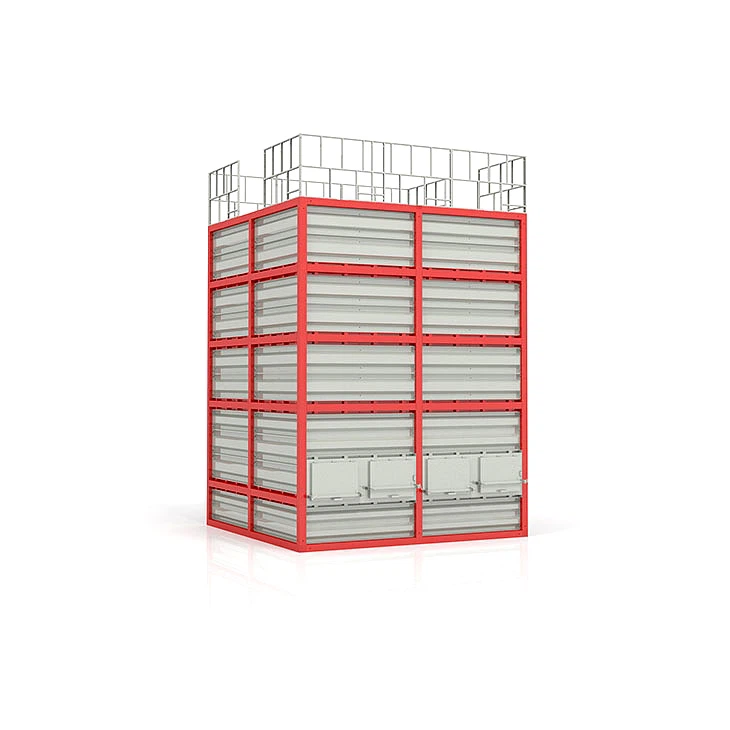
In a static drying environment, where the rice is not constantly moving, it's especially important to have a well - designed airflow system. Our Heat Pump Static Mesh Seed Dryer is a great example of a dryer that takes airflow into account. It uses a heat pump technology to generate hot, dry air and has a static mesh design that allows for uniform airflow through the rice batch. This helps to ensure that every grain of rice gets dried evenly.
Now, let's talk about the type of rice. Different varieties of rice have different moisture - holding capacities and drying requirements. For example, long - grain rice and short - grain rice might dry at different rates. Some types of rice are more sensitive to high temperatures and humidity changes than others.
When you're using a rice dryer, it's important to adjust the drying parameters according to the type of rice you're drying. This might involve changing the temperature, airflow rate, or drying time. Our company has a lot of experience in dealing with different rice varieties, and we can provide guidance on the best drying settings for each type.
Another factor that can affect the performance of a rice dryer in a drying environment is the presence of dust and debris. If the air in the drying area is filled with dust, it can clog the filters and vents of the dryer. This restricts the airflow and reduces the efficiency of the dryer. Regular maintenance, including cleaning the filters and vents, is essential to keep the dryer running smoothly.
In addition to the environmental factors, the quality of the rice dryer itself plays a big role. A well - designed and high - quality rice dryer is more likely to perform well in different drying environments. Our company offers a range of rice dryers, including the Sorghum Ear Dryer and the Corn Ear Dryer, which are designed to meet the specific needs of different grains.
So, how can you optimize the drying environment for your rice dryer? First, you need to monitor the humidity and temperature regularly. You can use a hygrometer and a thermometer to keep track of these parameters. If the humidity is too high, you might need to use a dehumidifier. If the temperature is too low, you can adjust the settings of the dryer to increase the heat output.
Second, make sure that the airflow in the drying area is unobstructed. Keep the area around the dryer clean and free of clutter. If possible, use fans to improve the circulation of air.
Finally, choose the right rice dryer for your needs. Consider factors such as the capacity, drying efficiency, and the type of rice you'll be drying. Our team of experts can help you select the best rice dryer for your specific situation.
If you're in the market for a rice dryer or have any questions about optimizing the drying environment, don't hesitate to reach out. We're here to help you get the most out of your rice - drying process. Whether you're a small - scale farmer or a large - scale rice processing plant, we have the solutions to meet your needs. Contact us today to start a conversation about your rice - drying requirements.
References
- "Principles of Grain Drying" by R. L. Stroshine.
- "Grain Drying Technology" published by the American Society of Agricultural and Biological Engineers.


