


As a provider of corn ear dryers, I often get asked about the lifespan of these essential machines. Understanding the lifespan of a corn ear dryer is crucial for farmers and agricultural businesses, as it directly impacts their investment, operational efficiency, and long - term productivity. In this blog, I'll delve into the factors that influence the lifespan of a corn ear dryer and provide some insights on how to maximize its longevity.
Factors Affecting the Lifespan of a Corn Ear Dryer
1. Quality of Construction
The build quality of a corn ear dryer is perhaps the most fundamental factor determining its lifespan. High - quality dryers are constructed using durable materials such as heavy - gauge steel for the housing and high - grade components for the heating, ventilation, and control systems. For example, a dryer with a well - welded steel frame can better withstand the rigors of continuous operation and resist corrosion over time. Cheaper models may use thinner materials or lower - quality parts, which are more prone to wear and tear, leading to a shorter lifespan.
2. Operating Conditions
The environment in which the corn ear dryer operates plays a significant role in its longevity. Dryers used in harsh conditions, such as areas with high humidity, extreme temperatures, or a lot of dust and debris, will experience more stress on their components. High humidity can cause rust and corrosion on metal parts, while excessive dust can clog the ventilation systems, reducing the dryer's efficiency and potentially causing overheating. On the other hand, dryers operated in a clean, climate - controlled environment are likely to last longer.
3. Maintenance and Care
Regular maintenance is essential for extending the lifespan of a corn ear dryer. This includes tasks such as cleaning the dryer after each use to remove any residual corn debris, checking and lubricating moving parts, inspecting the heating elements and ventilation ducts for damage, and calibrating the control systems. Neglecting maintenance can lead to the gradual deterioration of components, which may result in breakdowns and a shortened lifespan. For instance, if the ventilation filters are not cleaned regularly, the dryer may overheat, damaging the motor and other critical components.
4. Frequency of Use
The more frequently a corn ear dryer is used, the faster its components will wear out. A dryer that is used daily during the harvest season and then left idle for the rest of the year will have a different wear pattern compared to one that is used continuously throughout the year. High - frequency use can cause mechanical parts to fatigue more quickly, and electrical components may experience more stress due to repeated start - stop cycles.
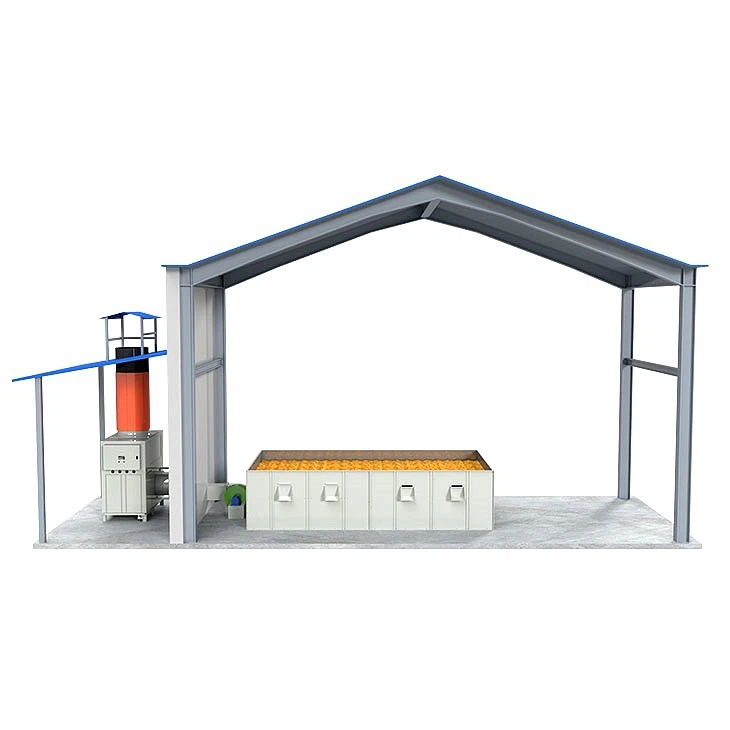

Typical Lifespan Range
On average, a well - maintained corn ear dryer can last anywhere from 10 to 20 years. However, this is a broad estimate, and the actual lifespan can vary significantly based on the factors mentioned above. High - quality dryers that are operated in favorable conditions and receive regular maintenance can often exceed the 20 - year mark, while those that are poorly maintained or used in harsh environments may need to be replaced in as little as 5 to 10 years.
Tips to Maximize the Lifespan of a Corn Ear Dryer
1. Follow the Manufacturer's Guidelines
The manufacturer's manual provides detailed instructions on how to operate, maintain, and troubleshoot the dryer. Following these guidelines is essential for ensuring the proper functioning of the machine and preventing premature wear and tear. For example, the manual will specify the recommended cleaning intervals, lubrication points, and the correct operating temperatures.
2. Invest in Regular Professional Inspections
Having a professional technician inspect the dryer at least once a year can help identify potential problems before they become major issues. A technician can check for signs of wear on critical components, test the electrical systems for safety, and ensure that the dryer is operating at peak efficiency.
3. Upgrade Components as Needed
Over time, some components of the corn ear dryer may become obsolete or wear out beyond repair. Instead of replacing the entire dryer, consider upgrading individual components such as the heating elements, fans, or control panels. This can extend the lifespan of the dryer and improve its performance.
Comparison with Other Grain Dryers
While we focus on corn ear dryers, it's worth comparing their lifespan with other types of grain dryers. For example, Peanut Dryer and Rice Dryer also have their own unique characteristics. Peanut dryers may need to be more resistant to the oil and debris from peanuts, while rice dryers may need to handle the specific moisture content requirements of rice grains. Generally, if maintained properly, these dryers can also have a lifespan in the range of 10 - 20 years. Another type, the Heat Pump Static Mesh Seed Dryer, which uses a heat pump technology, may have a longer lifespan due to its more energy - efficient and less stressful operating mechanism.
Conclusion
The lifespan of a corn ear dryer is influenced by multiple factors, including construction quality, operating conditions, maintenance, and frequency of use. By understanding these factors and taking appropriate measures to care for the dryer, farmers and agricultural businesses can ensure that their investment lasts for many years. If you're in the market for a new corn ear dryer or need advice on maintaining your existing one, feel free to reach out to us. We're here to provide you with the best solutions for your grain drying needs and help you make the most of your equipment.
References
- Agricultural Engineering Handbook: Grain Drying and Storage, various editions.
- Manufacturer's manuals for corn ear dryers.
- Research papers on the durability and maintenance of agricultural machinery.


