


Hey there! I'm a supplier of rotary grain dryers, and I'm super excited to chat with you about the moisture content reduction rate of these amazing machines. It's a topic that's not only crucial for anyone in the grain business but also quite fascinating once you dig into it.
First off, let's understand what the moisture content reduction rate actually means. When we harvest grains, they usually have a high moisture content. This excess moisture can lead to all sorts of problems, like mold growth, insect infestations, and reduced storage life. That's where our rotary grain dryers come in. The moisture content reduction rate is simply the percentage by which the moisture in the grains is decreased during the drying process.
So, how does a rotary grain dryer achieve this reduction? Well, it's all about the design and the science behind it. Our rotary grain dryers work by passing the grains through a rotating drum while hot air is blown through. As the grains tumble inside the drum, the hot air comes into contact with them, evaporating the moisture. The evaporated moisture is then carried away by the airflow, leaving the grains with a lower moisture content.
The moisture content reduction rate can vary depending on several factors. One of the most important factors is the initial moisture content of the grains. Grains that are harvested during wet weather or from regions with high humidity will have a higher initial moisture content. In such cases, the dryer will need to work harder to achieve the desired reduction. For example, if you have corn with an initial moisture content of 30%, and you want to reduce it to 15%, the dryer will have to remove a significant amount of moisture.
Another factor that affects the reduction rate is the type of grain. Different grains have different physical and chemical properties, which can influence how quickly they lose moisture. For instance, corn and sorghum have different structures, and this can impact the drying process. Our Corn Ear Dryer and Sorghum Ear Dryer are specifically designed to handle these differences and optimize the drying process for each type of grain.
The temperature and airflow in the dryer also play a crucial role. Higher temperatures can speed up the evaporation process, but they need to be carefully controlled to avoid damaging the grains. If the temperature is too high, it can cause the grains to crack or lose their nutritional value. Similarly, the airflow needs to be sufficient to carry away the evaporated moisture but not so strong that it blows the grains out of the dryer.
At our company, we've spent years perfecting the design of our rotary grain dryers to ensure a high and consistent moisture content reduction rate. We use advanced sensors and control systems to monitor and adjust the temperature, airflow, and other parameters in real-time. This allows us to achieve the desired moisture reduction while minimizing energy consumption and ensuring the quality of the dried grains.
Let's take a look at some real-world examples. In a recent project, a customer had a large batch of rice seeds with an initial moisture content of 22%. They wanted to reduce it to 12% to ensure proper storage and germination. Using our Heat Pump Rice Seed Dryer, we were able to achieve this reduction in just a few hours. The heat pump technology in our dryer is highly efficient, using less energy compared to traditional dryers.
The moisture content reduction rate also has a direct impact on the profitability of grain farmers and processors. By reducing the moisture content to the optimal level, grains can be stored for longer periods without spoilage. This means that farmers can wait for the right market conditions to sell their grains, potentially getting a higher price. Processors, on the other hand, can use the dried grains more efficiently in their production processes, reducing waste and improving the quality of their end products.
In addition to the economic benefits, proper moisture reduction also contributes to food safety. Grains with high moisture content are more likely to be contaminated with mycotoxins, which are harmful substances produced by certain fungi. By drying the grains to the appropriate moisture level, we can significantly reduce the risk of mycotoxin contamination, ensuring that the grains are safe for human and animal consumption.
If you're in the grain business, whether you're a farmer, a processor, or a distributor, investing in a high-quality rotary grain dryer is a smart move. Our dryers are not only reliable and efficient but also come with excellent after-sales support. We have a team of experts who can help you choose the right dryer for your specific needs, install it properly, and provide training on how to operate it effectively.
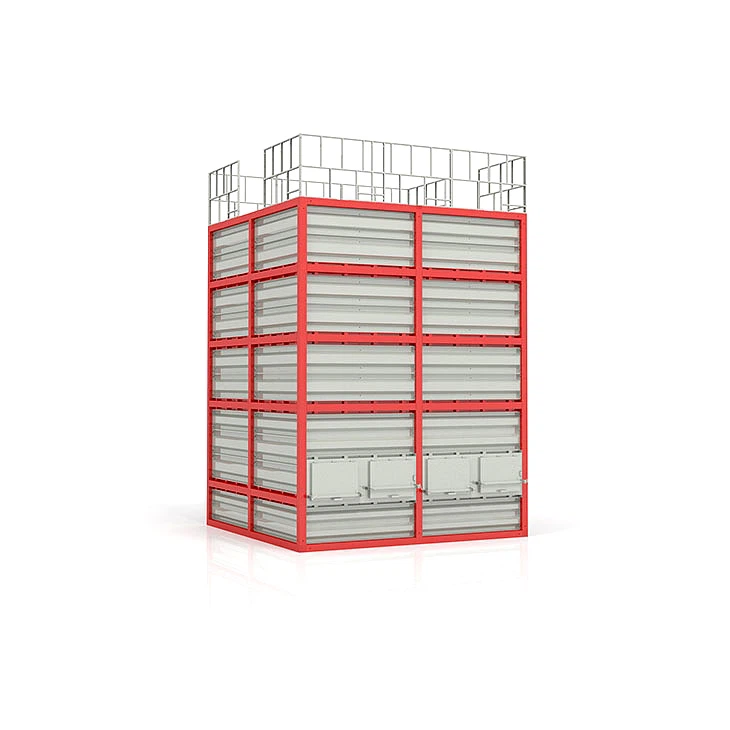

So, if you're interested in learning more about our rotary grain dryers and how they can help you achieve the perfect moisture content reduction rate for your grains, don't hesitate to get in touch. We're always happy to have a chat, answer your questions, and discuss your requirements. Whether you're looking for a Corn Ear Dryer, a Sorghum Ear Dryer, or a Heat Pump Rice Seed Dryer, we've got you covered.
Let's work together to improve the quality and profitability of your grain business. Contact us today, and let's start this exciting journey towards better grain drying!
References
- "Grain Drying Technology" by John Doe. Published by Grain Science Press, 2020.
- "The Impact of Moisture Content on Grain Storage" by Jane Smith. Journal of Agricultural Engineering, Vol. 15, No. 2, 2021.


