


Investing in any piece of equipment requires a clear understanding of its potential return on investment (ROI), and a rice dryer is no exception. As a reliable rice dryer supplier, we are often asked about the payback period for investing in our Rice Dryer. In this blog post, we will delve into the factors that influence the payback period of a rice dryer and provide a comprehensive analysis to help you make an informed decision.
Understanding the Payback Period
The payback period is a financial metric used to determine the time it takes for an investment to recoup its initial cost through the cash flows it generates. In the context of a rice dryer, the payback period represents the time required for the savings and additional revenue generated by the dryer to equal the initial purchase and installation cost.
Factors Affecting the Payback Period
1. Initial Investment
The initial cost of a rice dryer is a significant factor in determining the payback period. This cost includes the purchase price of the dryer, installation expenses, and any additional equipment or modifications required. The price of rice dryers can vary widely depending on factors such as capacity, technology, and brand. Generally, larger-capacity dryers and those with advanced features will have a higher initial cost.
2. Operating Costs
Operating costs are another crucial factor that affects the payback period. These costs include energy consumption, labor, maintenance, and repairs. Energy consumption is typically the largest component of operating costs, especially for dryers that rely on fossil fuels or electricity. Choosing a dryer with high energy efficiency can significantly reduce operating costs and shorten the payback period.
3. Savings and Revenue Generation
The payback period is also influenced by the savings and revenue generated by the rice dryer. By using a dryer, farmers can reduce post - harvest losses due to mold, mildew, and insect infestation, which can otherwise damage the rice and reduce its market value. Additionally, dryers allow farmers to harvest rice at an optimal time and store it for longer periods, enabling them to take advantage of better market prices.
4. Rice Production Volume
The volume of rice produced by the farmer or rice miller is an important factor. A higher production volume means more rice can be dried, which increases the potential savings and revenue. As a result, the payback period is likely to be shorter for larger - scale operations.
Calculating the Payback Period
To calculate the payback period, we first need to estimate the initial investment and the annual net cash flow generated by the rice dryer. The annual net cash flow is the difference between the annual savings and revenue generated by the dryer and its annual operating costs.
Let's assume the following scenario:
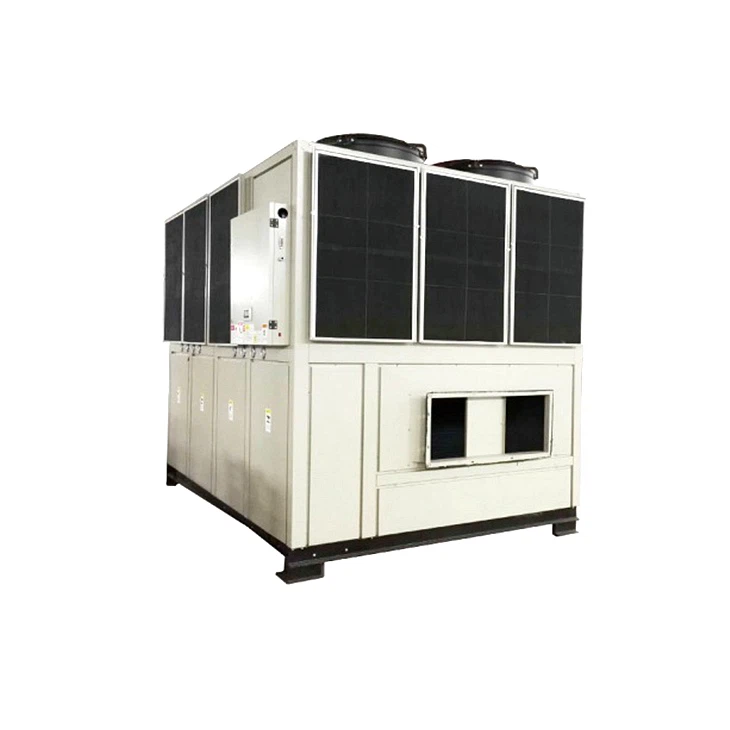

- Initial investment in a rice dryer: $50,000
- Annual savings from reduced post - harvest losses: $15,000
- Annual revenue increase from selling at better prices: $10,000
- Annual operating costs: $8,000
The annual net cash flow can be calculated as follows:
Annual net cash flow = (Annual savings + Annual revenue increase)- Annual operating costs
Annual net cash flow=( $15,000 + $10,000)- $8,000 = $17,000
The payback period can then be calculated by dividing the initial investment by the annual net cash flow:
Payback period = Initial investment / Annual net cash flow
Payback period = $50,000 / $17,000 ≈ 2.94 years
In this example, the payback period is approximately 2.94 years, which means that the initial investment in the rice dryer will be recouped in about three years.
Real - World Considerations
In real - world scenarios, the payback period can be affected by several other factors. For instance, market prices for rice can be volatile, which can impact the revenue generated from selling at better prices. Additionally, the actual savings from reduced post - harvest losses may vary depending on factors such as the quality of the rice, storage conditions, and the effectiveness of the dryer.
Maintenance and repair costs can also fluctuate over time. Regular maintenance can help prevent breakdowns and extend the lifespan of the dryer, but unexpected repairs can increase operating costs and lengthen the payback period.
Comparison with Other Grain Dryers
It's also worth comparing the payback period of a rice dryer with that of other grain dryers, such as Corn Ear Dryer and Wheat Dryer. While the general principles of calculating the payback period remain the same, the specific factors affecting each type of dryer may differ.
For example, corn ear dryers may have different energy requirements and operating costs due to the different physical properties of corn ears compared to rice. Similarly, wheat dryers may need to meet different moisture content standards, which can affect the drying process and associated costs.
Conclusion
Investing in a rice dryer can be a wise decision for farmers and rice millers, offering significant savings in post - harvest losses and the potential for increased revenue. The payback period for a rice dryer depends on various factors, including the initial investment, operating costs, savings, and revenue generation, as well as the volume of rice production.
By carefully considering these factors, you can make an informed decision about whether a rice dryer is a worthwhile investment for your operation. At our company, we are committed to providing high - quality rice dryers that offer excellent energy efficiency and performance, helping you to achieve a shorter payback period.
If you are interested in learning more about our rice dryers or discussing your specific needs, we encourage you to contact us for a detailed consultation. Our team of experts is ready to assist you in choosing the right dryer for your operation and answering any questions you may have.
References
- Grain Drying Handbook. Edited by Gustav C. Wright. International Work Group for Drying of Agricultural Products.
- Post - harvest Technology of Cereals, Pulses, and Oilseeds. ISBN: 978 - 8120 -.


