


Hey there! As a sorghum ear dryer supplier, I've got a pretty good handle on the different types of sorghum ear dryers out there in the market. So, I thought I'd share some insights with you all.
First off, let's talk about why having a good sorghum ear dryer is so important. Sorghum is a major crop, and properly drying the ears is crucial for maintaining its quality and preventing spoilage. If the sorghum ears aren't dried correctly, they can develop mold, lose their nutritional value, and just generally become a headache to deal with.
1. Natural Air Dryers
One of the most basic types of sorghum ear dryers is the natural air dryer. This is a simple setup where you just use the natural flow of air to dry the sorghum ears. You basically spread the ears out in a well - ventilated area, like a large shed or an open field with good air circulation.
The biggest advantage of natural air dryers is that they're super cheap. You don't need to buy any fancy equipment, and the only cost is the space you use. However, they also have some major drawbacks. For starters, they're really slow. Drying sorghum ears this way can take days or even weeks, depending on the weather conditions. And if it starts to rain or the humidity is too high, you're in trouble because the ears can get wet again and start to rot.
2. Heated Air Dryers
Heated air dryers are a step up from natural air dryers. These dryers use a heating element to warm up the air that's blown over the sorghum ears. This speeds up the drying process significantly compared to natural air drying.
There are different types of heated air dryers. Some are small, portable units that are great for small - scale farmers. You can move them around easily and use them in different locations. On the other hand, there are also large, industrial - sized heated air dryers that can handle huge volumes of sorghum ears at once. These are usually used by big commercial farms or grain processing facilities.
The main benefit of heated air dryers is the speed. You can dry sorghum ears in a matter of hours instead of days. But they do come with a cost. They use electricity or fuel to heat the air, so your energy bills can be pretty high. Also, if the temperature isn't controlled properly, you can over - dry the sorghum ears, which can damage the grains inside.
3. Heat Pump Static Mesh Seed Dryer
Now, let's talk about a more advanced type of sorghum ear dryer - the heat pump static mesh seed dryer. This is a really cool piece of technology. It uses a heat pump to transfer heat from one place to another. The sorghum ears are placed on a static mesh, and the heat pump circulates warm, dry air over them.
One of the big advantages of this type of dryer is its energy efficiency. Heat pumps are much more efficient than traditional heating elements, so you can save a lot of money on energy costs in the long run. It also provides a more uniform drying process. The static mesh ensures that all the sorghum ears are exposed to the same amount of warm air, so you get consistent results.

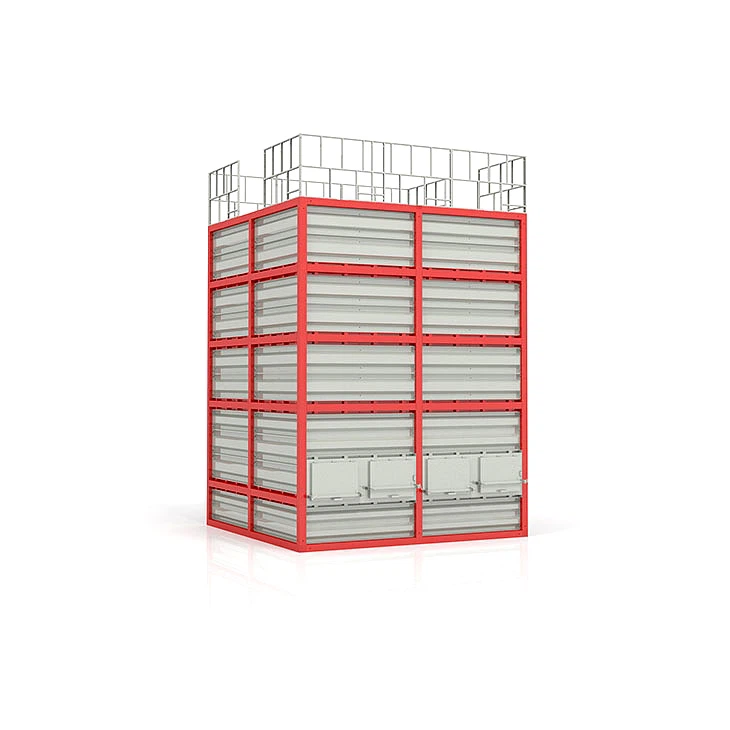
However, heat pump static mesh seed dryers are more expensive to buy upfront. They're also a bit more complex to operate and maintain compared to simpler dryers. But if you're looking for a high - quality, energy - efficient solution for drying sorghum ears, this could be a great option.
4. Heat Pump Rice Seed Dryer
You might be wondering why I'm talking about a rice seed dryer when we're discussing sorghum ear dryers. Well, many heat pump rice seed dryers can also be used to dry sorghum ears. These dryers work on a similar principle as the heat pump static mesh seed dryers, but they're often designed with a different capacity and configuration.
Heat pump rice seed dryers are known for their precise temperature and humidity control. This is really important when drying sorghum ears because you want to make sure you're not over - or under - drying them. They can also be adjusted to different drying requirements, depending on the type of sorghum you're dealing with.
Just like the heat pump static mesh seed dryers, they're energy - efficient but come with a higher initial cost. And you need to have some technical knowledge to operate them properly. But if you want a dryer that can give you great results and save you money on energy in the long term, it's worth considering.
5. Corn Ear Dryer
Believe it or not, some corn ear dryers can also be used for sorghum ears. Corn and sorghum have some similarities in terms of their physical structure and drying requirements.
Corn ear dryers are usually designed to handle large - scale drying operations. They have a robust construction and can dry a large number of ears quickly. They often use a combination of heated air and mechanical agitation to ensure that all the ears are dried evenly.
The advantage of using a corn ear dryer for sorghum is that you can take advantage of the existing technology and infrastructure. However, you might need to make some adjustments to the settings to optimize the drying process for sorghum. And of course, they're big and expensive, so they're more suitable for large commercial farms.
Choosing the Right Dryer for You
So, how do you choose the right sorghum ear dryer for your needs? Well, it depends on a few factors.
First, think about the scale of your operation. If you're a small - scale farmer with just a few acres of sorghum, a simple natural air dryer or a small - portable heated air dryer might be enough. But if you're a big commercial farmer with thousands of acres, you'll probably need a large - capacity dryer like a corn ear dryer or an industrial - sized heated air dryer.
Next, consider your budget. Natural air dryers are the cheapest option, but they're also the least efficient. Heat pump dryers are more expensive upfront but can save you money on energy in the long run.
Also, think about the level of control you need. If you want precise temperature and humidity control to ensure the best quality of your sorghum, a heat pump dryer might be the way to go.
Let's Talk Business
If you're in the market for a sorghum ear dryer, I'd love to have a chat with you. I've got a wide range of dryers in stock, from simple models to the most advanced ones. Whether you're a small - time farmer or a big commercial operation, I can help you find the perfect dryer for your needs. Just reach out and we can start discussing your requirements.
References
- Agricultural Drying Handbook, various authors
- Grain Drying Technology Research Papers, multiple research institutions


