


When it comes to grain drying, one of the most crucial decisions that farmers, agricultural businesses, and grain processors face is choosing between a batch grain dryer and a continuous grain dryer. As a seasoned grain dryer supplier, I've witnessed firsthand the impact of this choice on the efficiency, quality, and profitability of grain drying operations. In this blog post, I'll delve into the characteristics, advantages, and disadvantages of both types of dryers to help you make an informed decision.
Batch Grain Dryers
A batch grain dryer operates by drying a specific quantity (batch) of grain at a time. The process involves loading a pre - determined amount of wet grain into the dryer, running the drying cycle until the desired moisture content is achieved, and then unloading the dried grain before starting a new batch.
Advantages
Flexibility: Batch dryers offer a high degree of flexibility. They can handle different types of grains and varying moisture levels with relative ease. For instance, if you have a small quantity of specialty grains with unique drying requirements, a batch dryer allows you to adjust the drying parameters such as temperature, airflow, and drying time precisely for that batch. This is particularly useful for farmers who grow a diverse range of crops on a small - scale.
Quality Control: Since each batch is dried separately, it is easier to monitor and control the quality of the dried grain. You can make real - time adjustments to the drying process based on the moisture content and other quality indicators of the batch. This ensures that the final product meets the desired standards, whether it's for human consumption, animal feed, or seed production.
Low Initial Investment: Batch dryers generally have a lower initial cost compared to continuous dryers. This makes them an attractive option for small - and medium - sized farms or businesses with limited capital. For those just starting out in the grain drying business, a batch dryer can be a cost - effective way to get into the market.
Disadvantages
Lower Throughput: The biggest drawback of batch dryers is their relatively low throughput. Since they dry grain in batches, there is a significant amount of downtime between batches for loading and unloading. This can slow down the overall drying process, especially when dealing with large volumes of grain. For large commercial grain operations, this inefficiency can lead to longer drying times and increased labor costs.
Higher Labor Requirements: Batch dryers typically require more labor to operate. Workers need to load and unload the grain manually or with the help of additional equipment, which can be time - consuming and physically demanding. In addition, constant monitoring of each batch is necessary to ensure proper drying, further increasing the labor burden.
Continuous Grain Dryers
Continuous grain dryers, as the name suggests, dry grain continuously without interruption. Grain is fed into the dryer at one end and moves through a series of drying chambers, where it is exposed to hot air or other drying media until it reaches the desired moisture content at the other end.
Advantages
High Throughput: Continuous dryers are designed for high - volume grain drying. They can handle large quantities of grain in a relatively short period of time, making them ideal for large commercial grain operations, such as grain elevators and large - scale farms. The continuous flow of grain through the dryer eliminates the downtime associated with batch drying, resulting in a much faster and more efficient drying process.
Energy Efficiency: Continuous dryers are often more energy - efficient than batch dryers. Since they operate continuously, they can maintain a more stable temperature and airflow, which reduces energy consumption. Additionally, some continuous dryers are designed to recover and reuse the heat from the exhaust air, further improving energy efficiency.
Automation: Continuous dryers can be highly automated, reducing the need for manual labor. Once the dryer is set up and the parameters are adjusted, the grain can be fed into the dryer and dried with minimal human intervention. This not only saves labor costs but also reduces the risk of human error in the drying process.
Disadvantages
Higher Initial Investment: Continuous dryers have a higher initial cost compared to batch dryers. The complex design and advanced technology required for continuous operation make them more expensive to purchase and install. This can be a significant barrier for small - and medium - sized businesses with limited financial resources.
Less Flexibility: Continuous dryers are less flexible than batch dryers when it comes to handling different types of grains and varying moisture levels. Once the dryer is set up for a particular type of grain and moisture content, it can be difficult to make quick adjustments for different batches. This can be a problem for farmers who grow a variety of crops or need to dry grains with different characteristics.
Complex Maintenance: Continuous dryers are more complex in design and require more specialized maintenance. The continuous operation of the dryer means that wear and tear on the components can be significant, and regular maintenance is essential to ensure optimal performance. This can increase the overall operating costs of the dryer.
Which One is Better?
The answer to the question of whether a batch grain dryer or a continuous grain dryer is better depends on several factors, including the scale of the operation, the type of grain being dried, the available capital, and the quality requirements.

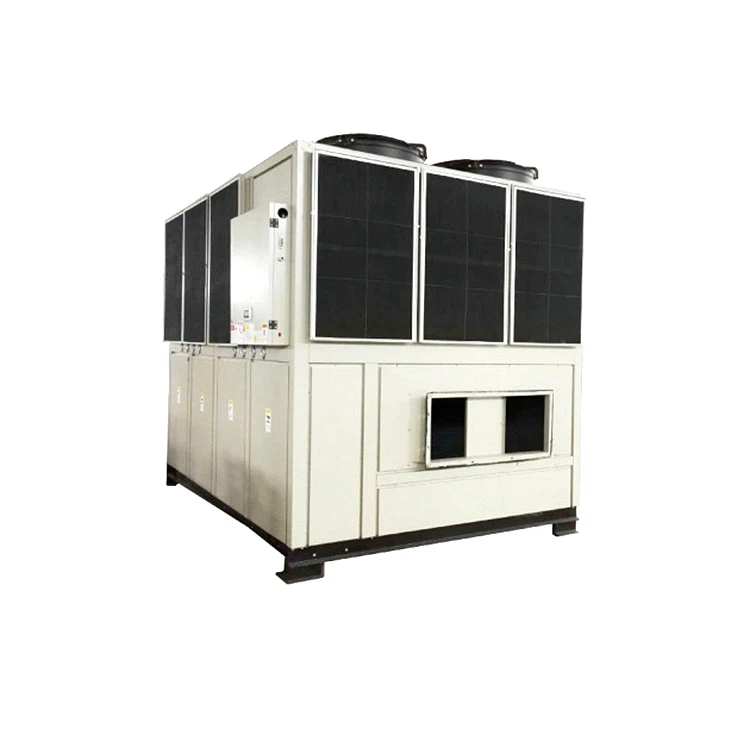
For small - scale farmers or businesses with limited capital and a need for flexibility and quality control, a batch grain dryer is likely the better choice. It allows for precise control over the drying process and can handle a variety of grains in smaller quantities. You can explore our Heat Pump Rice Seed Dryer for a high - quality batch drying solution for rice seeds.
On the other hand, large commercial grain operations that require high throughput and energy efficiency will benefit more from a continuous grain dryer. Despite the higher initial investment and complexity, the long - term savings in labor and energy costs can make it a worthwhile investment. If you're dealing with peanuts, our Peanut Dryer and for wheat, our Wheat Dryer are excellent continuous drying options.
Conclusion
In conclusion, both batch and continuous grain dryers have their own unique advantages and disadvantages. As a grain dryer supplier, I understand that choosing the right dryer is a critical decision that can have a significant impact on your business. Whether you're a small - scale farmer or a large commercial grain processor, I'm here to help you evaluate your needs and select the most suitable dryer for your operation.
If you're interested in learning more about our range of grain dryers or would like to discuss your specific requirements, please don't hesitate to reach out. We can provide you with detailed information, product specifications, and a customized solution that meets your needs. Let's work together to optimize your grain drying process and achieve the best possible results.
References
- ASABE Standards. (Year). Agricultural machinery and equipment standards related to grain drying.
- Grain Drying Handbook. (Publisher). A comprehensive guide on grain drying technologies and best practices.


