


Hey there! I'm a supplier of Heat Pump Rice Seed Dryers, and I often get asked if our dryers can be used for large-scale rice seed drying. Well, let's dive right into it and explore this topic.
First off, let's understand what a Heat Pump Rice Seed Dryer is. It's a nifty piece of equipment that uses heat pump technology to remove moisture from rice seeds. Heat pumps are energy-efficient because they transfer heat rather than generate it, which can save a ton of energy compared to traditional drying methods.
Now, the big question: Can it handle large-scale drying? The short answer is yes, but there are a few factors to consider.
Capacity and Throughput
One of the most important things when it comes to large-scale drying is the dryer's capacity. Our Heat Pump Rice Seed Dryers come in different sizes, and we can customize them to meet your specific needs. For large-scale operations, you'll want a dryer with a high throughput. That means it can dry a large volume of rice seeds in a relatively short period.
For example, if you're a big rice farm or a seed processing facility, you might have thousands of kilograms of rice seeds to dry. Our larger models can handle these large quantities, ensuring that you can keep up with your production schedule. The key is to choose the right size dryer based on your expected volume of rice seeds.
Uniform Drying
In large-scale drying, it's crucial to ensure that all the rice seeds are dried uniformly. Uneven drying can lead to problems like mold growth in the wetter seeds and over-drying in others, which can reduce the quality of the seeds. Our Heat Pump Rice Seed Dryers are designed with advanced airflow systems to ensure that the hot air circulates evenly throughout the drying chamber.
This uniform airflow helps to dry all the rice seeds at the same rate, regardless of their position in the dryer. We've also incorporated sensors and control systems that monitor the temperature and humidity inside the dryer. This allows us to adjust the drying parameters in real-time, ensuring that the drying process is always optimized for uniform results.
Energy Efficiency
When you're dealing with large-scale operations, energy costs can quickly add up. That's where the energy efficiency of our heat pump dryers comes in handy. Heat pumps are known for their high coefficient of performance (COP), which means they can transfer a large amount of heat using relatively little electricity.
Compared to traditional drying methods like direct-fired dryers, our heat pump dryers can significantly reduce your energy consumption. This not only saves you money in the long run but also makes your operation more environmentally friendly. In today's world, where sustainability is becoming increasingly important, this is a major advantage.
Cost-Effectiveness
In addition to energy savings, our Heat Pump Rice Seed Dryers are also cost-effective in terms of maintenance and operation. They have fewer moving parts compared to some other types of dryers, which means there's less wear and tear and fewer things that can go wrong. This reduces the need for frequent repairs and replacements, saving you both time and money.
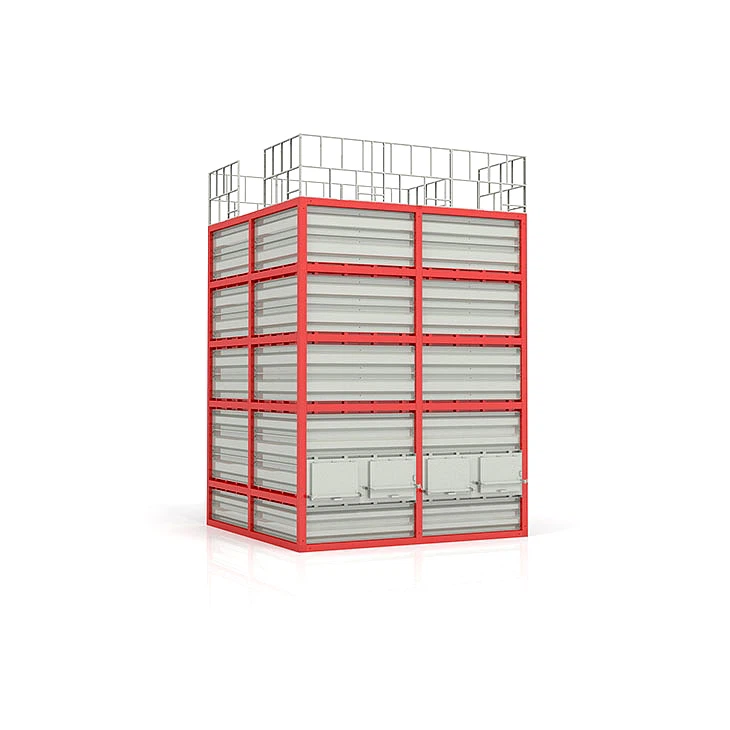

Moreover, the initial investment in a heat pump dryer may seem higher than some traditional dryers, but when you consider the long-term savings in energy and maintenance costs, it's a smart investment. Over time, the cost savings can more than offset the higher upfront cost.
Other Considerations
While our Heat Pump Rice Seed Dryers are well-suited for large-scale rice seed drying, there are a few other things to keep in mind. For example, you'll need to have a proper storage area for the dried rice seeds. The storage conditions should be dry and cool to prevent any re-absorption of moisture.
You'll also need to have a reliable power supply. Since heat pump dryers rely on electricity, any power outages can disrupt the drying process. It might be a good idea to have a backup power generator in case of emergencies.
Comparison with Other Dryers
Let's take a quick look at how our Heat Pump Rice Seed Dryers compare with other types of dryers commonly used for large-scale drying.
- Direct-Fired Dryers: These dryers use a burner to generate hot air directly. While they can dry rice seeds quickly, they are less energy-efficient and can produce emissions. Our heat pump dryers, on the other hand, are more energy-efficient and environmentally friendly.
- Solar Dryers: Solar dryers rely on sunlight to dry the rice seeds. While they are a renewable energy source, they are highly dependent on weather conditions. You can't use them at night or on cloudy days. Our heat pump dryers can operate 24/7, regardless of the weather.
If you're also interested in drying other grains, we have other great options. Check out our Corn Ear Dryer, Heat Pump Static Mesh Seed Dryer, and Rapeseed Dryer.
Conclusion
In conclusion, our Heat Pump Rice Seed Dryers are definitely suitable for large-scale rice seed drying. They offer high capacity, uniform drying, energy efficiency, and cost-effectiveness. Whether you're a small to medium-sized rice farm looking to expand or a large seed processing facility, our dryers can meet your needs.
If you're interested in learning more about our Heat Pump Rice Seed Dryers or have any questions about large-scale rice seed drying, don't hesitate to get in touch. We're here to help you make the right choice for your operation. Let's work together to ensure that your rice seeds are dried to the highest quality standards.
References
- "Principles of Grain Drying" by ASABE (American Society of Agricultural and Biological Engineers)
- "Energy-Efficient Grain Drying Technologies" research papers from various agricultural research institutions.


