


Hey there! As a supplier of Heat Pump Rice Seed Dryers, I've had my fair share of customers asking about how to improve the drying speed of these machines. It's a crucial aspect, especially when you've got a large batch of rice seeds to dry and time is of the essence. So, in this blog, I'm gonna share some tips and tricks that can help you get the most out of your dryer and speed up the drying process.
1. Optimize the Initial Moisture Content
The first thing you need to consider is the initial moisture content of the rice seeds. If the seeds are too wet, it's gonna take a lot longer to dry them. So, try to harvest the rice at the right time. Generally, rice seeds should be harvested when the moisture content is around 20 - 25%. If they're wetter than that, you might want to do some pre - drying in the sun for a short period, but be careful not to expose them to direct sunlight for too long as it can damage the seeds.
Once you've harvested the rice, you can use a moisture meter to check the moisture content accurately. This way, you'll have a better idea of how long the drying process will take and if there are any adjustments you need to make to the dryer settings.
2. Adjust the Airflow
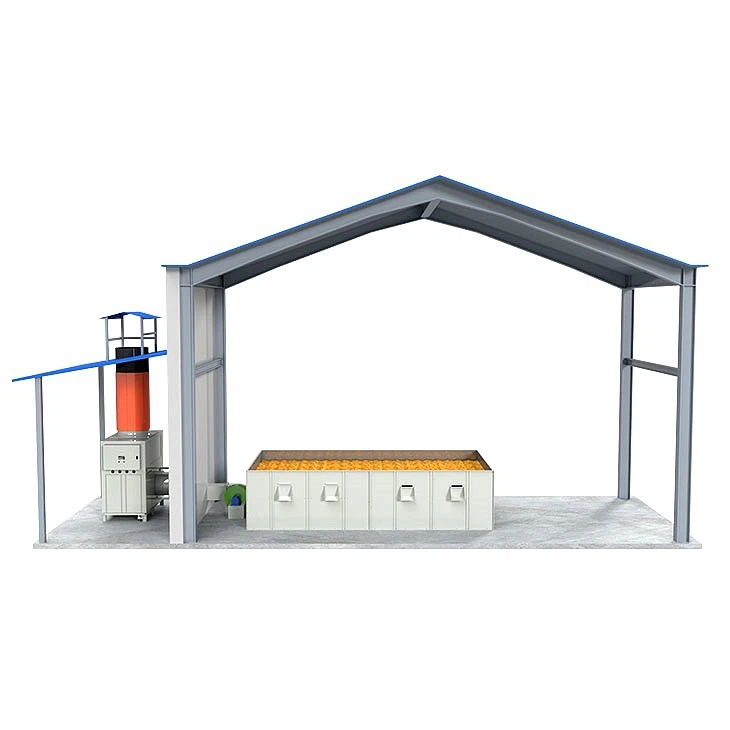
Proper airflow is key to a fast - drying process. In a Heat Pump Static Mesh Seed Dryer, the airflow helps to carry away the moisture from the rice seeds. You can adjust the fan speed to increase or decrease the airflow. A higher fan speed usually means more air is flowing through the dryer, which can speed up the drying.
However, you don't want to go too crazy with the fan speed. If the airflow is too strong, it can cause the rice seeds to move around too much and might even damage them. So, it's a balance. You should also make sure that the air ducts are clean and free of any blockages. A blocked duct can restrict the airflow and slow down the drying process.
3. Set the Right Temperature
Temperature plays a huge role in drying speed. In a heat pump dryer, you have the ability to control the temperature. Generally, a higher temperature will speed up the drying process, but you need to be careful not to overheat the rice seeds. If the temperature is too high, it can damage the seeds' viability and quality.
For rice seeds, a temperature range of 40 - 50 degrees Celsius is usually a good sweet spot. You can start with a lower temperature at the beginning of the drying process and gradually increase it as the moisture content of the seeds decreases. This way, you can ensure that the seeds are dried evenly and without any damage.
4. Load the Dryer Properly
How you load the dryer can also affect the drying speed. Don't over - load the dryer. If there are too many rice seeds in the dryer, the airflow won't be able to reach all of them evenly, and it'll take longer to dry. On the other hand, if the dryer is under - loaded, it's not using its full capacity, and you're wasting energy.
Follow the manufacturer's guidelines on the recommended loading capacity. Spread the rice seeds evenly in the dryer to ensure that the airflow can circulate freely around them. This will help to dry the seeds more efficiently.
5. Use a Dehumidifier
A dehumidifier can be a great addition to your drying setup. In a heat pump dryer, the dehumidifier helps to remove the moisture from the air inside the dryer. By reducing the humidity, the drying process can be accelerated.

You can place a dehumidifier near the dryer or use a built - in dehumidifier if your dryer has one. Make sure to empty the water reservoir of the dehumidifier regularly so that it can continue to work effectively.
6. Regular Maintenance
Regular maintenance of your Rice Dryer is essential for optimal performance. Clean the filters regularly to ensure that the airflow is not restricted. Check the belts, motors, and other moving parts for any signs of wear and tear. Replace any damaged parts immediately.
Lubricate the moving parts as recommended by the manufacturer. A well - maintained dryer will operate more efficiently and have a faster drying speed.
7. Consider the Seed Variety
Different varieties of rice seeds may have different drying requirements. Some seeds may have a thicker husk or a higher oil content, which can affect the drying speed. Research the specific drying requirements of the rice seed variety you're working with. You may need to adjust the temperature, airflow, or drying time accordingly.
8. Use a Pre - Treatment
Some pre - treatments can help to speed up the drying process. For example, you can soak the rice seeds in a mild salt solution for a short period before drying. This can help to break down the outer layer of the seeds slightly, making it easier for the moisture to escape during the drying process. However, be careful not to over - soak the seeds as it can also damage them.
9. Monitor the Drying Process
Keep a close eye on the drying process. Use a moisture meter to check the moisture content of the rice seeds at regular intervals. This will help you to determine if the drying speed is satisfactory and if any adjustments need to be made to the dryer settings.
You can also observe the appearance of the seeds. If they look dry on the outside but still feel moist when you squeeze them gently, it means they need more drying time.
10. Upgrade Your Dryer
If you've tried all the above methods and still can't achieve the desired drying speed, it might be time to consider upgrading your dryer. Newer models of heat pump rice seed dryers often come with advanced features such as better airflow control, more precise temperature regulation, and more efficient dehumidification systems.
Heat Pump Static Mesh Seed Dryer models, for instance, are designed to provide a more uniform drying process, which can significantly reduce the drying time.
In conclusion, improving the drying speed of a Heat Pump Rice Seed Dryer involves a combination of proper preparation, adjustment of dryer settings, regular maintenance, and sometimes, the use of additional equipment. By following these tips, you can ensure that your rice seeds are dried quickly and efficiently, without compromising their quality.
If you're in the market for a new rice dryer or need more information on how to optimize the performance of your existing dryer, don't hesitate to reach out. We're here to help you make the most of your drying operations. Whether you're looking for a Rice Dryer or a Corn Ear Dryer, we've got you covered. Contact us to start a procurement discussion and find the best solution for your needs.
References
- ASAE Standards. (Year). Agricultural drying standards. American Society of Agricultural and Biological Engineers.
- Rice Research Institute Publications. (Year). Rice seed drying techniques. [Publisher name]


