


Hey there! As a supplier of wheat dryers, I often get asked if a wheat dryer can be used in combination with a storage silo. Well, the short answer is yes, and in this blog post, I'm gonna dive deep into why this combo is a game - changer for grain handling.
The Basics of Wheat Drying and Storage
First off, let's talk about why drying wheat is so important. Freshly harvested wheat usually has a high moisture content, which can range from 15% to 25%. This high moisture level makes the wheat susceptible to mold, mildew, and insect infestations. If you store wheat at this high moisture content in a silo, it's like inviting trouble. The warm and humid environment inside the silo can cause the wheat to spoil quickly, leading to significant losses.
That's where a wheat dryer comes in. A good wheat dryer can reduce the moisture content of wheat to a safe storage level, typically around 12% - 14%. This not only prevents spoilage but also improves the quality of the wheat, making it more marketable.
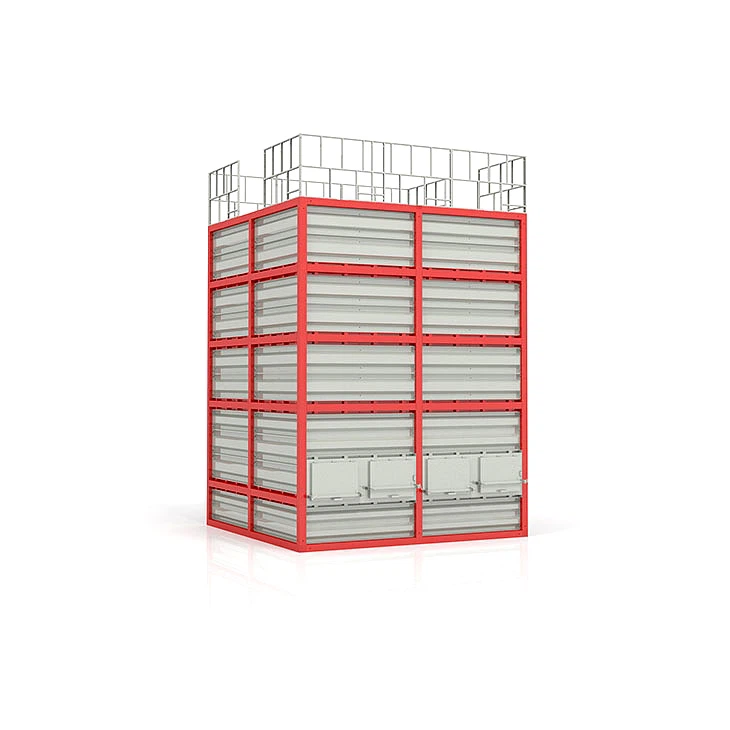
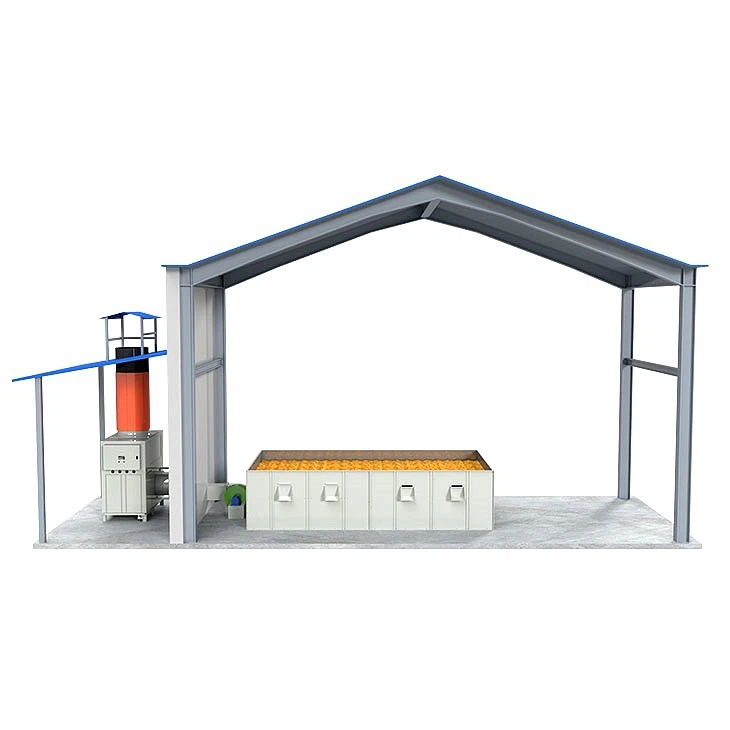
How a Wheat Dryer and Storage Silo Work Together
When you use a wheat dryer in combination with a storage silo, it's a two - step process. First, the freshly harvested wheat is sent through the dryer. There are different types of dryers out there, like the Rotary Grain Dryer. This type of dryer uses a rotating drum to tumble the wheat while hot air is blown through it, ensuring even drying.
Once the wheat is dried to the right moisture level, it's then transferred to the storage silo. The silo provides a protected environment where the dried wheat can be stored for an extended period. It keeps out pests, rodents, and the elements, maintaining the quality of the wheat until it's ready to be sold or used.
Advantages of Using a Wheat Dryer with a Storage Silo
1. Quality Preservation
As I mentioned earlier, drying the wheat before storage helps preserve its quality. By reducing the moisture content, you're preventing the growth of mold and fungi, which can produce mycotoxins. These mycotoxins are not only harmful to the wheat but can also be a health risk if the wheat is used for food or animal feed.
2. Extended Storage Time
Dried wheat can be stored for much longer than wet wheat. With a proper combination of a dryer and silo, you can store wheat for months or even years without significant quality degradation. This gives you more flexibility in selling your wheat when the market prices are favorable.
3. Reduced Losses
When you store wet wheat, there's a high chance of spoilage. This can lead to substantial financial losses. By using a dryer to reduce the moisture content before storage, you're minimizing these losses and maximizing your profits.
4. Improved Efficiency
Having a dryer and silo system in place streamlines the grain handling process. You can harvest the wheat, dry it, and store it all in one place. This reduces the need for multiple trips to different facilities, saving you time and money.
Different Types of Dryers and Their Compatibility with Silos
There are several types of dryers available, and each has its own advantages when it comes to working with a storage silo.
Rotary Grain Dryer
The Rotary Grain Dryer is a popular choice. It's known for its high - capacity drying and uniform drying results. The rotating drum ensures that all the wheat grains are exposed to the hot air, reducing the chances of uneven drying. It can be easily connected to a silo through a conveyor system, allowing for seamless transfer of the dried wheat.
Rice Dryer
Although it's called a Rice Dryer, it can also be used to dry wheat. These dryers are often more compact and energy - efficient. They use a combination of hot air and ventilation to dry the grains. They can be a great option for smaller farms or operations with limited space. Once the wheat is dried, it can be transferred to the silo using a bucket elevator or a pneumatic conveying system.
Corn Ear Dryer
The Corn Ear Dryer can also be adapted for wheat drying. These dryers are designed to handle large volumes of grains. They use a multi - stage drying process to ensure thorough drying. After the wheat is dried, it can be transported to the silo using a belt conveyor or a screw conveyor.
Considerations When Combining a Wheat Dryer and Storage Silo
1. Capacity
You need to make sure that the capacity of the dryer and the silo are compatible. If the dryer can dry a large amount of wheat per hour but the silo has a small storage capacity, you'll have to keep emptying the silo frequently. On the other hand, if the silo is very large and the dryer has a low capacity, it will take a long time to fill the silo.
2. Location
The location of the dryer and the silo is also important. They should be placed close to each other to minimize the distance the wheat has to travel during transfer. This reduces the risk of spillage and damage to the grains.
3. Maintenance
Both the dryer and the silo require regular maintenance. The dryer needs to have its heating elements, fans, and conveyor belts checked regularly. The silo needs to be inspected for any signs of damage, such as cracks or leaks. Proper maintenance ensures the longevity and efficient operation of both the dryer and the silo.
Conclusion
In conclusion, using a wheat dryer in combination with a storage silo is a smart move for any wheat farmer or grain handler. It helps preserve the quality of the wheat, extends the storage time, reduces losses, and improves overall efficiency. Whether you choose a Rotary Grain Dryer, Rice Dryer, or Corn Ear Dryer, there's a solution that can work for your specific needs.
If you're interested in learning more about our wheat dryers or how they can be integrated with your storage silo, don't hesitate to reach out. We're here to help you make the best decision for your operation and ensure that you get the most out of your wheat harvest.
References
- "Grain Drying and Storage Handbook" by Agricultural Extension Services
- "Principles of Grain Post - Harvest Technology" by various authors in the field of agricultural engineering


