


Hey there! As a supplier of peanut dryers, I've seen firsthand how crucial the drying process is for peanuts. One factor that plays a huge role in this process is the airflow speed. In this blog, I'll break down the impact of airflow speed on the peanut drying process, sharing some insights from my experience in the industry.
How Airflow Speed Affects Drying Efficiency
First off, let's talk about how airflow speed influences the efficiency of the drying process. When you're drying peanuts, the goal is to remove moisture from them as quickly and evenly as possible. A higher airflow speed can significantly speed up this process. Think of it like this: when there's more air moving around the peanuts, it can carry away the moisture more rapidly. This means that the drying time can be reduced, allowing you to process more peanuts in a shorter period.
For instance, if you have a batch of peanuts with a high moisture content, a faster airflow can help to bring that moisture level down to the desired range much quicker. This is especially important in commercial settings where time is money. By reducing the drying time, you can increase your production capacity and potentially boost your profits.
On the other hand, if the airflow speed is too low, the drying process will be much slower. The moisture won't be removed as efficiently, and you might end up with peanuts that are still too wet. This can lead to issues such as mold growth and spoilage, which can be a major headache for peanut farmers and processors.
Impact on Peanut Quality
Airflow speed doesn't just affect the drying time; it also has a big impact on the quality of the peanuts. When the airflow is too fast, it can cause the outer layer of the peanuts to dry out too quickly, while the inside remains moist. This can lead to cracking and splitting of the peanuts, which can reduce their market value.
On the flip side, if the airflow is too slow, the peanuts might not dry evenly. Some parts of the batch might be over - dried, while others are still under - dried. This can result in a inconsistent product quality, which isn't ideal for consumers or for those looking to sell the peanuts.

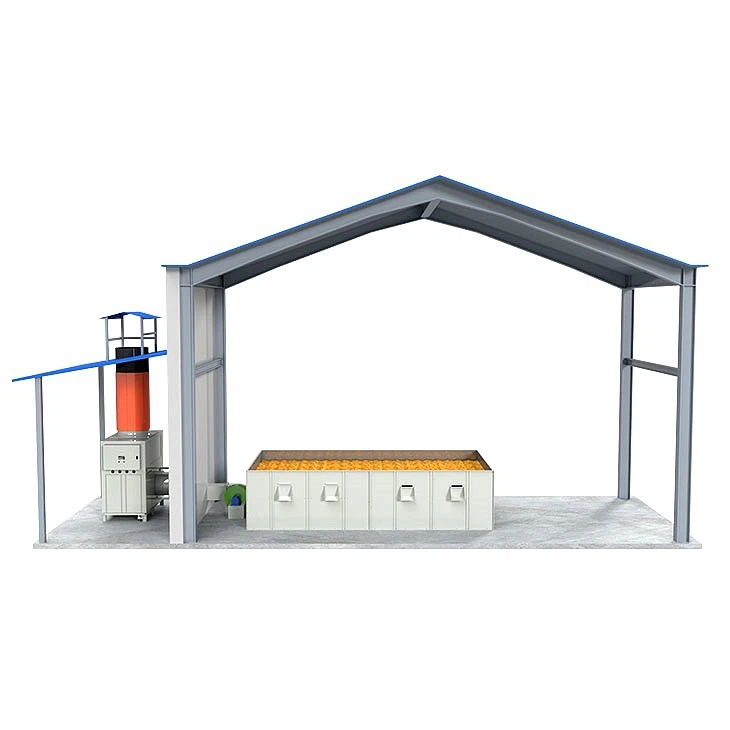
So, finding the right balance is key. A moderate and well - controlled airflow speed can ensure that the peanuts dry evenly, maintaining their integrity and quality. This means that the peanuts will look better, taste better, and have a longer shelf life.
Energy Consumption
Another important aspect to consider is energy consumption. A higher airflow speed usually requires more energy to operate the fans and other components of the peanut dryer. This can increase your operating costs, especially if you're running the dryer for long periods.
However, it's important to note that a faster airflow can also reduce the overall drying time. So, in some cases, the energy savings from a shorter drying time might offset the additional energy required for a higher airflow speed. It's all about finding the sweet spot where you can achieve the best drying results with the least amount of energy consumption.
Choosing the Right Airflow Speed for Your Peanut Dryer
Now that we've discussed the impact of airflow speed on the drying process, you might be wondering how to choose the right airflow speed for your peanut dryer. Well, it depends on several factors.
The moisture content of the peanuts is one of the most important factors. If the peanuts have a high moisture content, you might need a higher airflow speed to start with to quickly remove the excess moisture. As the moisture level decreases, you can then adjust the airflow speed to a more moderate level to ensure even drying.
The type of peanut dryer you're using also matters. Different dryers have different capabilities and requirements when it comes to airflow speed. Some dryers are designed to work best at a specific airflow range, so it's important to follow the manufacturer's recommendations.
Other Related Grain Dryers
If you're also involved in drying other grains, we also offer Rapeseed Dryer, Corn Dryer, and Rice Dryer. These dryers are designed with similar principles in mind, but they are optimized for the specific characteristics of each grain.
Conclusion and Call to Action
In conclusion, airflow speed is a critical factor in the peanut drying process. It affects the drying efficiency, peanut quality, and energy consumption. By understanding how airflow speed works and choosing the right speed for your specific situation, you can achieve better drying results and improve your overall operations.
If you're in the market for a peanut dryer or have any questions about airflow speed and its impact on the drying process, don't hesitate to reach out. We're here to help you find the best solution for your peanut drying needs. Whether you're a small - scale farmer or a large - scale processor, we have the expertise and products to meet your requirements.
References
- Smith, J. (2018). "The Science of Grain Drying". Agricultural Science Journal.
- Brown, A. (2019). "Optimizing Airflow in Peanut Dryers". Food Processing Magazine.
- Green, C. (2020). "Energy - Efficient Drying Methods for Grains". Renewable Energy Review.


