


Hey there! As a supplier of rice dryers, I've seen firsthand how crucial proper air distribution is for achieving even drying in these machines. In this blog, I'll break down how air distribution works in a rice dryer and why it's so important.
Let's start with the basics. A rice dryer is designed to remove moisture from freshly harvested rice, making it suitable for storage and further processing. The key to efficient drying lies in ensuring that the hot air circulates evenly throughout the rice mass. If the air doesn't reach all parts of the rice, some grains will be over - dried while others remain wet, leading to inconsistent quality and potential spoilage.
The Role of the Fan
At the heart of the air distribution system in a rice dryer is the fan. The fan is responsible for drawing in fresh air, heating it up (usually through a burner), and then forcing it through the rice. The size and power of the fan play a significant role in determining how well the air is distributed. A high - powered fan can generate a strong airflow, which is essential for pushing the air through the dense layers of rice.
We've got different types of fans in our Rice Dryer models. Some are axial fans, which are great for moving large volumes of air at relatively low pressures. These are often used in larger dryers where you need to cover a wide area. On the other hand, centrifugal fans can generate higher pressures, making them ideal for dryers with more complex air duct systems or when you need to force air through a thick layer of rice.
Air Duct Design
The air duct system is like the plumbing of the rice dryer. It's responsible for guiding the hot air from the fan to the rice. A well - designed air duct system ensures that the air is evenly distributed across the entire drying chamber.
In our dryers, we use a combination of straight and curved ducts to direct the air. The straight ducts are used to move the air over long distances with minimal resistance, while the curved ducts help to change the direction of the airflow as needed. We also use adjustable dampers in the ducts. These dampers can be opened or closed to control the amount of air flowing through different parts of the dryer. This allows us to fine - tune the air distribution based on the amount and type of rice being dried.
For example, if you're drying a large batch of long - grain rice, you might need to adjust the dampers to ensure that the air reaches the bottom layers of the rice. Long - grain rice tends to pack more tightly than short - grain rice, so it can be more difficult for the air to penetrate. By adjusting the dampers, we can increase the airflow to the areas where it's needed most.
Perforated Floors and Screens
Another important component of the air distribution system is the perforated floor or screen on which the rice sits. These perforations allow the hot air to pass through the rice from the bottom up. The size and spacing of the perforations are carefully designed to ensure that the air is evenly distributed.
If the perforations are too large, the rice might fall through, and if they're too small, the air won't be able to pass through easily. We've spent a lot of time testing different perforation sizes and patterns to find the optimal design for our Rice Dryer. The goal is to create a uniform airflow that reaches every grain of rice.
Recirculation of Air
In some of our more advanced rice dryer models, we incorporate an air recirculation system. This system takes the hot, moist air that has passed through the rice and recirculates it back through the dryer after removing some of the moisture. This not only saves energy but also helps to maintain a more consistent drying environment.
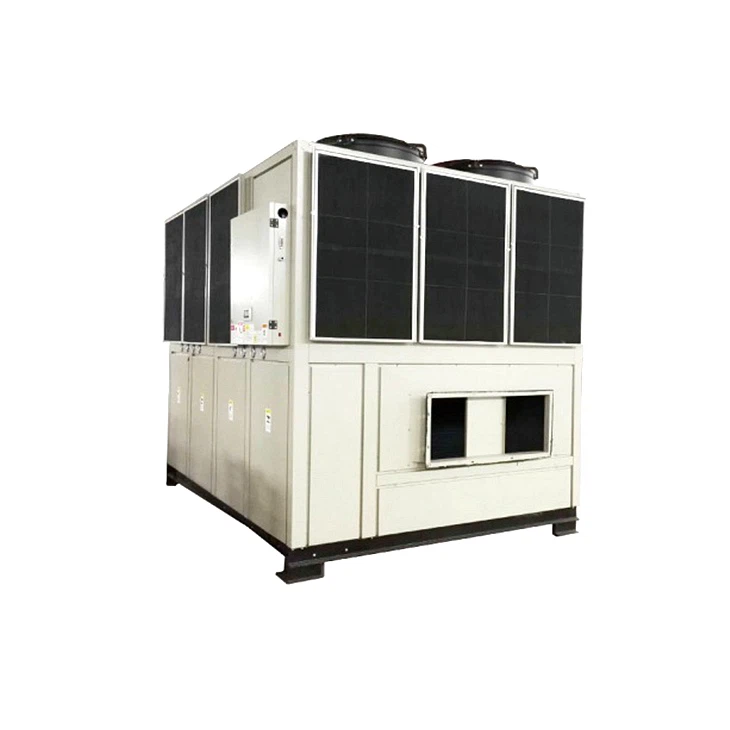
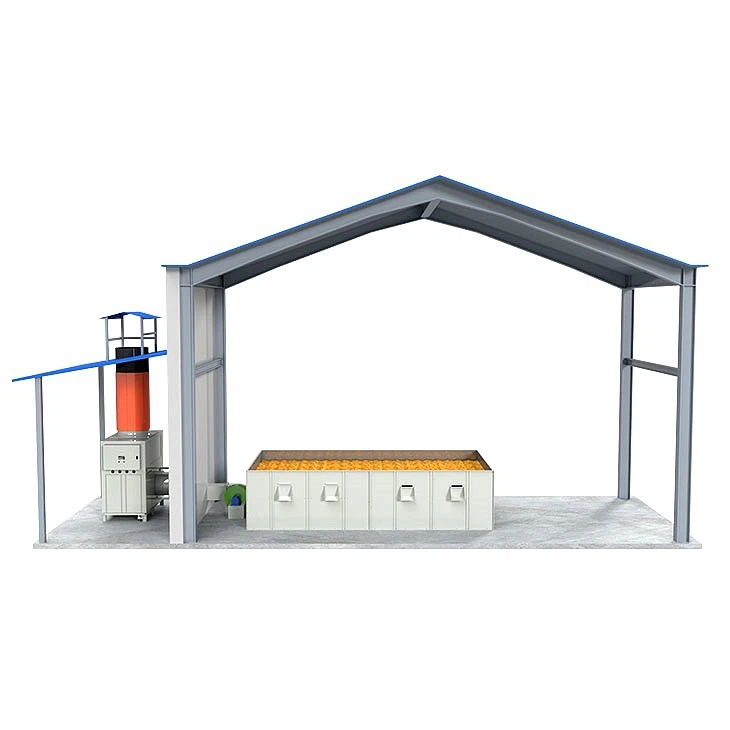
The recirculated air is mixed with fresh air before being reheated and sent back into the drying chamber. By controlling the ratio of recirculated air to fresh air, we can optimize the drying process. For instance, in the early stages of drying, when the rice has a high moisture content, we might use a higher proportion of fresh air to quickly remove the excess moisture. As the drying progresses, we can increase the amount of recirculated air to save energy.
Importance of Even Drying
Now, you might be wondering why even drying is so important. Well, there are several reasons. First of all, even drying ensures that all the rice grains have the same moisture content. This is crucial for maintaining the quality of the rice. If some grains are over - dried, they can become brittle and break during handling, reducing the overall yield. On the other hand, if some grains are under - dried, they can develop mold and bacteria during storage, which can spoil the entire batch.
Secondly, even drying improves the efficiency of the drying process. When the air is evenly distributed, the rice dries more quickly, which means you can process more batches in a shorter amount of time. This is especially important for large - scale rice producers who need to dry their harvest as quickly as possible to meet market demands.
Other Grains and Similar Drying Principles
While we specialize in rice dryers, the principles of air distribution also apply to other types of grain dryers, such as Wheat Dryer and Corn Dryer. Each type of grain has its own unique characteristics, but the basic idea of ensuring even air distribution remains the same.
For example, wheat grains are smaller and lighter than rice grains, so they require a different air velocity and distribution pattern. Our wheat dryers are designed with this in mind, with specific fan settings and air duct configurations to ensure that the wheat is dried evenly. Similarly, corn kernels are larger and more dense, so our corn dryers are built to handle the increased airflow and pressure needed to dry them effectively.
Conclusion and Call to Action
In conclusion, proper air distribution is the key to achieving even drying in a rice dryer. From the fan and air duct design to the perforated floors and air recirculation systems, every component plays a crucial role in ensuring that the hot air reaches every grain of rice.
If you're in the market for a high - quality rice dryer or any other grain dryer, we've got you covered. Our dryers are designed with the latest technology and years of experience to provide you with the best drying results. Whether you're a small - scale farmer or a large - scale rice producer, we have a dryer that will meet your needs.
Don't hesitate to reach out to us to discuss your specific requirements. We're here to help you find the perfect dryer for your operation and ensure that you get the most out of your harvest.
References
- "Grain Drying Technology" by [Author's Name, Year of Publication]
- "Principles of Agricultural Engineering" by [Author's Name, Year of Publication]


