


Hey there! As a supplier of Wheat Dryers, I've seen firsthand how the drying process can have a huge impact on the physical properties of wheat. In this blog, I'll break down the ins and outs of this process and explain why it matters so much.
Let's start with the basics. Why do we even need to dry wheat in the first place? Well, freshly harvested wheat usually has a high moisture content, often around 18 - 25%. That's way too high for long - term storage. If you store wheat with high moisture, it can lead to all sorts of problems like mold growth, insect infestations, and even spontaneous combustion in extreme cases. So, drying is a crucial step to preserve the quality of the wheat and make it suitable for storage and further processing.
Now, how does the drying process in a Wheat Dryer work? Most wheat dryers use hot air to remove moisture from the wheat kernels. The hot air is blown through the grain, and as it passes, it absorbs the moisture from the kernels. The moisture - laden air is then removed from the dryer, leaving behind drier wheat.
One of the most obvious physical changes that occurs during the drying process is a reduction in the moisture content of the wheat. But this simple change can have a domino effect on other physical properties. For example, the size and shape of the wheat kernels can be affected. When the moisture evaporates, the kernels shrink. This shrinkage isn't always uniform, and it can cause some kernels to crack or split. Cracks in the kernels are a big no - no because they can make the wheat more vulnerable to damage during handling and storage. They also provide entry points for pests and pathogens, which can compromise the quality of the wheat.
Another important physical property that's influenced by the drying process is the hardness of the wheat. Hardness is a key factor in determining the end - use of the wheat. For instance, hard wheat is often used for making bread because it has a higher protein content and forms a stronger gluten network. During drying, if the temperature is too high or the drying rate is too fast, the wheat can become overly hard. This can make it more difficult to mill the wheat into flour, and the resulting flour may have a lower baking quality.
On the flip side, if the drying is too slow or the temperature is too low, the wheat may not dry evenly. Some parts of the kernel may still have a relatively high moisture content, while others are dry. This uneven drying can lead to inconsistent hardness within the batch of wheat, which can also cause problems during processing.
The density of the wheat is also affected by the drying process. As the moisture is removed, the density of the kernels increases. This change in density can impact the flowability of the wheat. In a storage silo or during transportation, wheat with a consistent density will flow more smoothly. However, if the drying process is not well - controlled, the density variation can lead to uneven flow, which can cause blockages in handling equipment.
Let's talk about the color of the wheat. Freshly harvested wheat has a characteristic golden - brown color. But during the drying process, the color can change. If the temperature is too high, the wheat can develop a darker color. This discoloration is not just a cosmetic issue. It can indicate that some of the chemical components in the wheat, such as proteins and starches, have been degraded. A darker - colored wheat may have a lower nutritional value and may not be as appealing to consumers.
Now, you might be wondering how to optimize the drying process to minimize these negative impacts on the physical properties of wheat. Well, it all comes down to controlling the drying parameters. The temperature, airflow rate, and drying time are the three main factors that need to be carefully managed.
The temperature should be set at an appropriate level. Generally, a temperature range of 40 - 60°C is considered ideal for drying wheat. This temperature range allows for efficient moisture removal without causing excessive damage to the kernels. The airflow rate is also crucial. A higher airflow rate can speed up the drying process, but it needs to be balanced to ensure even drying. If the airflow is too strong, it can cause the wheat to move around too much, increasing the risk of kernel damage.
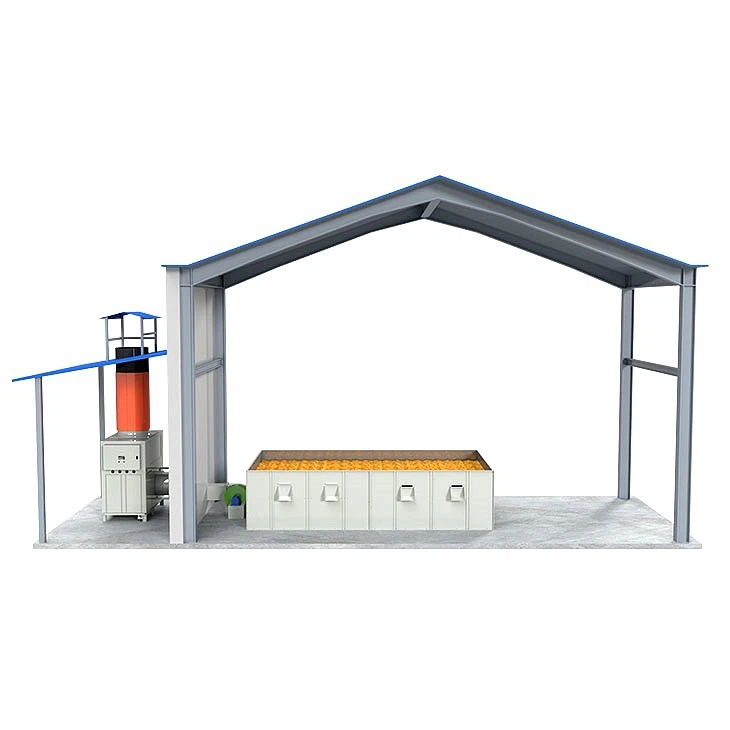
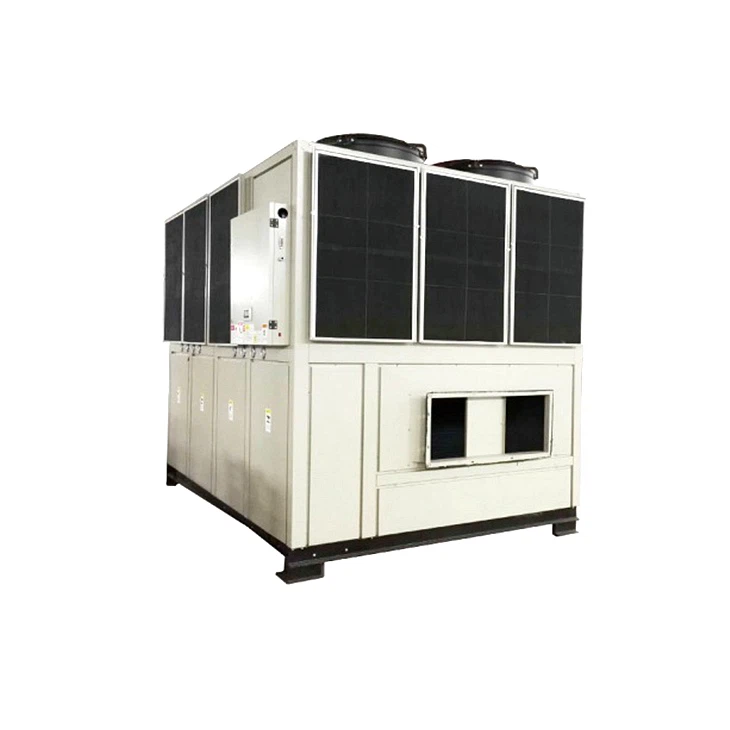
The drying time is another important factor. It should be long enough to reduce the moisture content to the desired level, but not so long that it causes over - drying. Modern Wheat Dryers are often equipped with sensors that can monitor the moisture content of the wheat in real - time. This allows for more precise control of the drying process.
It's also worth mentioning that different types of wheat may require slightly different drying conditions. For example, durum wheat, which is used for making pasta, has different physical and chemical properties compared to common bread wheat. So, the drying process for durum wheat may need to be adjusted accordingly.
At our company, we understand the importance of getting the drying process right. Our Wheat Dryers are designed with advanced technology to ensure optimal drying conditions. We offer a range of models to suit different production scales, from small - scale farmers to large - scale grain processing facilities.
If you're also involved in drying other grains, we've got you covered. We also supply Corn Dryers and Rice Dryers. Each of these dryers is specifically engineered to meet the unique drying requirements of different grains.
In conclusion, the drying process in a wheat dryer has a profound impact on the physical properties of wheat. By carefully controlling the drying parameters, we can minimize the negative effects and ensure that the wheat retains its quality. Whether you're a farmer looking to store your harvest safely or a grain processor aiming for high - quality products, choosing the right wheat dryer is crucial.
If you're interested in learning more about our wheat dryers or have any questions about the drying process, don't hesitate to reach out. We're here to help you make the best decision for your business. Let's work together to ensure that your wheat drying process is as efficient and effective as possible.
References
- Peleg, M., & Bagley, E. B. (1983). Physical Principles of Food Preservation. Academic Press.
- Thompson, B. A. (2003). Drying and Storage of Grains and Oilseeds. AACC International.


