


Hey there! I'm a supplier of Rapeseed Dryers, and today I wanna chat about how the air inlet and outlet design in a rapeseed dryer works. It's super important to understand this if you're in the business of drying rapeseed or any other grains.
First off, let's talk about why the air inlet and outlet design matters. When you're drying rapeseed, you need to get rid of the moisture in it. And that's where the air comes in. The right air flow can make the drying process much more efficient, saving you time and energy.
The Air Inlet Design
The air inlet is where the fresh, dry air enters the dryer. It's designed to bring in the right amount of air at the right speed. You don't want too much air, or it'll blow the rapeseed around and make a mess. And you don't want too little air, or the drying process will be really slow.
One of the key factors in air inlet design is the size of the inlet. The size needs to be just right to allow enough air to enter the dryer. If it's too small, the air won't be able to flow in easily, and if it's too big, the air might come in too fast and disrupt the rapeseed.
Another important thing is the shape of the inlet. A well - designed inlet can help to distribute the air evenly across the rapeseed. Some inlets are designed with special baffles or vanes that direct the air in a specific pattern. This helps to ensure that all the rapeseed gets exposed to the drying air.
For example, in our Rapeseed Dryer, we've spent a lot of time optimizing the air inlet design. We use a combination of a carefully sized opening and internal baffles to make sure that the air enters smoothly and spreads evenly. This way, the rapeseed dries more uniformly, which is crucial for getting high - quality results.
The Air Outlet Design
The air outlet is just as important as the air inlet. After the air has passed through the rapeseed and picked up moisture, it needs to be removed from the dryer. If the air outlet isn't designed properly, the moist air can get trapped inside the dryer, which can lead to uneven drying and even mold growth.
The size of the air outlet is also a critical factor. It needs to be large enough to allow the moist air to escape easily. But it also needs to be designed in a way that it doesn't let the rapeseed escape along with the air. We use special screens or filters at the air outlet to prevent the rapeseed from being carried out.
The location of the air outlet is another consideration. It should be placed in a position where it can effectively draw out the moist air. In some dryers, the air outlet is located at the top, while in others, it's at the side. The choice depends on the overall design of the dryer and the flow pattern of the air inside.
In our Rapeseed Dryer, the air outlet is strategically placed to ensure that the moist air is quickly removed. We've also designed it with a gentle slope and a smooth surface to prevent any blockages. This helps to maintain a continuous and efficient drying process.
The Interaction between Inlet and Outlet
The air inlet and outlet work together as a system. The air that enters through the inlet creates a flow that moves through the rapeseed and exits through the outlet. The balance between the two is crucial for a successful drying process.
If the air inlet is bringing in air too fast and the outlet can't keep up, the pressure inside the dryer can build up. This can cause the air to flow in an unpredictable way and may even damage the dryer. On the other hand, if the outlet is too efficient and the inlet can't supply enough air, the drying process will slow down.
We've done a lot of testing to find the perfect balance between the air inlet and outlet in our Rapeseed Dryer. By adjusting the size, shape, and location of both, we've been able to create a system that provides a steady and consistent air flow. This results in faster, more efficient drying and better - quality rapeseed.
Comparing with Other Grain Dryers
It's interesting to compare the air inlet and outlet design in our Rapeseed Dryer with other types of grain dryers, like the Corn Ear Dryer and the Wheat Dryer.

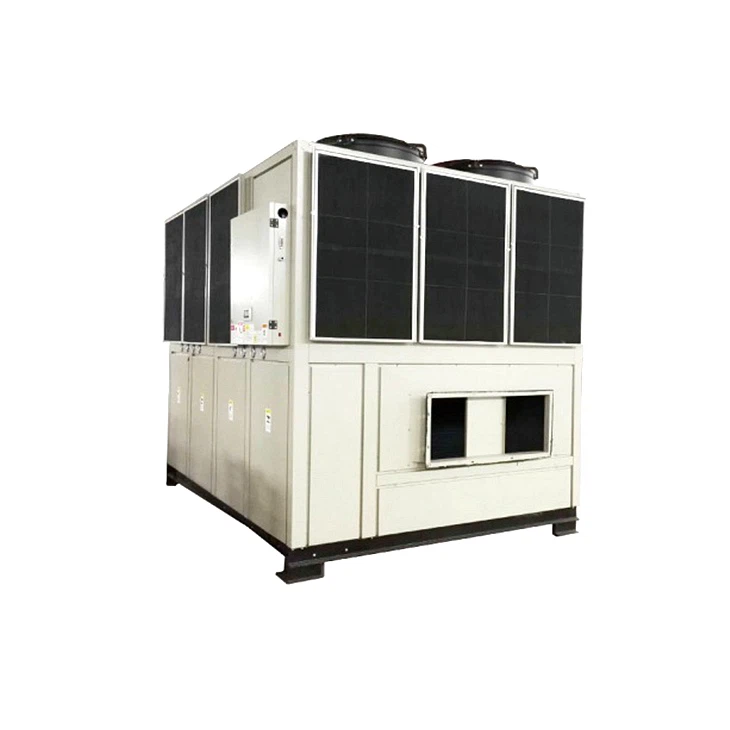
Corn ear dryers have to deal with larger and bulkier items compared to rapeseed. So, their air inlet and outlet designs are often optimized to handle a higher volume of air and to penetrate through the dense corn ears. The inlets might be larger and the outlet systems might be more powerful to remove the large amount of moisture.
Wheat dryers, on the other hand, deal with smaller grains. The air inlet and outlet designs are focused on ensuring that the air can flow through the wheat evenly. They need to be careful not to blow the wheat around too much while still providing enough air for drying.
Our Rapeseed Dryer is designed specifically for rapeseed, taking into account its unique characteristics. The air inlet and outlet are sized and shaped to work best with the small, round rapeseed grains. This allows for a more targeted and efficient drying process.
Benefits of Our Rapeseed Dryer's Air Design
The optimized air inlet and outlet design in our Rapeseed Dryer offers several benefits. Firstly, it leads to more efficient drying. Since the air is distributed evenly and the moist air is removed quickly, the rapeseed dries faster. This means you can process more rapeseed in less time, increasing your productivity.
Secondly, it improves the quality of the dried rapeseed. Uniform drying prevents over - drying in some areas and under - drying in others. This results in rapeseed that has a consistent moisture content, which is important for storage and further processing.
Finally, our design helps to save energy. By creating an efficient air flow system, we reduce the amount of energy needed to run the dryer. This can lead to significant cost savings in the long run.
If you're in the market for a high - quality Rapeseed Dryer, you can check out our product here: Rapeseed Dryer. We're always happy to have a chat about how our dryer can meet your specific needs. Whether you're a small - scale farmer or a large - scale processing plant, we've got the right solution for you. So, don't hesitate to reach out and start a conversation about your rapeseed drying requirements.
References
- "Grain Drying Technology" by [Author's Name]
- "Principles of Agricultural Engineering" by [Author's Name]


