


Hey there! As a supplier of peanut dryers, I've seen firsthand the importance of understanding how different peanut varieties dry. It's not just about getting the moisture out; it's about doing it right to preserve the quality and flavor of these delicious nuts. So, let's dive into the drying time variation for different peanut varieties in a peanut dryer.
Why Drying Time Matters
First off, why does the drying time matter? Well, peanuts need to be dried to a specific moisture content to be stored properly. If they're too wet, they can develop mold and rot, which is a huge loss. On the other hand, over - drying can damage the peanuts, making them lose their nutritional value and taste. Different peanut varieties have different physical characteristics, such as size, shape, and shell thickness, which all affect how quickly they dry.
Common Peanut Varieties
There are several common peanut varieties out there, and each has its own quirks when it comes to drying.
-
Virginia Peanuts: These are the big boys of the peanut world. They're known for their large size and are often used for roasting and making gourmet peanut products. Virginia peanuts have a relatively thick shell, which means they take longer to dry compared to some other varieties. The thick shell acts as a barrier, slowing down the moisture transfer from the peanut kernel to the outside. In our peanut dryers, Virginia peanuts usually take about 20 - 24 hours to reach the optimal moisture content of around 8 - 10%.
-
Runner Peanuts: Runner peanuts are the most widely grown variety in the United States. They're smaller than Virginia peanuts and have a more uniform size. This uniformity makes them easier to dry. They have a thinner shell, which allows moisture to escape more quickly. In our experience, runner peanuts typically dry in about 16 - 20 hours in our peanut dryer to reach the same 8 - 10% moisture level.
-
Spanish Peanuts: Spanish peanuts are small and have a reddish - brown skin. They're often used for making peanut butter because of their high oil content. These peanuts have a relatively thin shell and a high surface - area - to - volume ratio, which means they dry quite fast. In our peanut dryers, Spanish peanuts can be dried to the appropriate moisture content in about 12 - 16 hours.
-
Valencia Peanuts: Valencia peanuts are known for their sweet taste and are often sold as fresh - roasted peanuts. They have a thin shell and are usually larger than Spanish peanuts but smaller than Virginia peanuts. The drying time for Valencia peanuts in our peanut dryer is around 14 - 18 hours to reach the desired moisture level.
Factors Affecting Drying Time
It's not just the peanut variety that affects the drying time. There are several other factors at play as well.
- Initial Moisture Content: Peanuts harvested from wetter fields will have a higher initial moisture content, which means they'll take longer to dry. For example, if runner peanuts are harvested with a moisture content of 25%, they'll take longer to dry compared to those harvested at 20% moisture.
- Air Temperature and Humidity: The temperature and humidity of the air used in the dryer are crucial. Higher temperatures generally speed up the drying process, but if it's too hot, it can damage the peanuts. In our peanut dryers, we carefully control the temperature to ensure efficient drying without harming the peanuts. Lower humidity in the drying air also helps moisture to evaporate more quickly from the peanuts.
- Airflow Rate: Adequate airflow is essential for uniform drying. If the airflow is too low, some areas of the peanuts may not dry properly, leading to uneven moisture distribution. In our dryers, we design the airflow system to ensure that all the peanuts are exposed to the drying air evenly.
Our Peanut Dryers
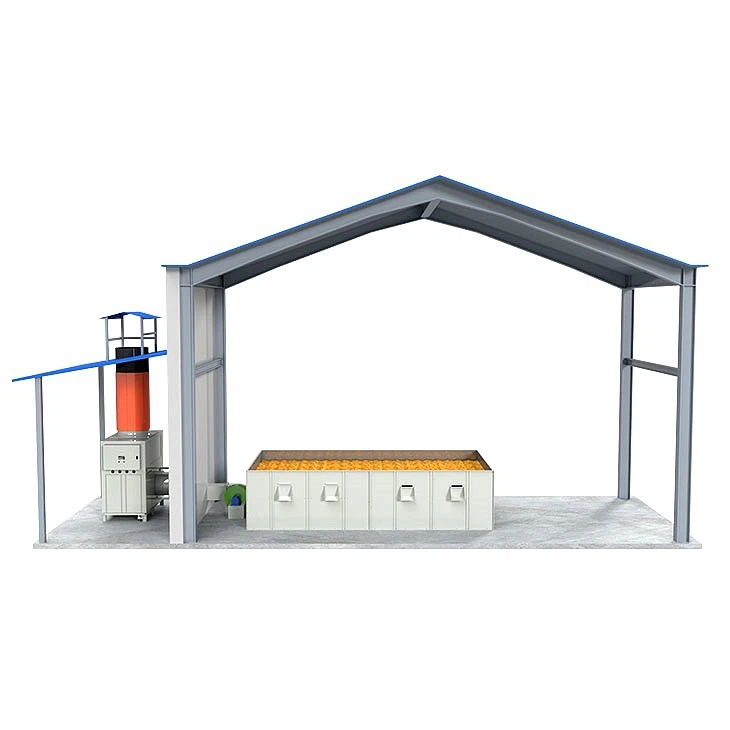
At our company, we've designed our peanut dryers to handle different peanut varieties efficiently. We use advanced technology to control the temperature, humidity, and airflow inside the dryer. Our dryers are also equipped with monitoring systems that allow us to keep track of the moisture content of the peanuts during the drying process. This ensures that we can adjust the drying parameters as needed to achieve the best results.
Not only do we specialize in peanut dryers, but we also offer other types of grain dryers. For example, if you're into rice drying, check out our Rice Dryer. It's designed to dry rice efficiently while preserving its quality. We also have a Sorghum Ear Dryer for sorghum farmers. And if you're dealing with rice seeds, our Heat Pump Rice Seed Dryer is a great option.

Contact Us for Your Drying Needs
If you're in the peanut - growing business or any other grain - growing business and are looking for a reliable dryer, don't hesitate to reach out. Whether you're dealing with Virginia, runner, Spanish, or Valencia peanuts, our dryers can handle them all. We can help you determine the best drying settings for your specific peanut variety and ensure that you get the highest - quality dried peanuts.
We understand that every farm is different, and we're committed to providing customized solutions to meet your needs. So, if you're interested in learning more about our peanut dryers or any of our other grain - drying products, just drop us a line. We're here to answer all your questions and help you make the right choice for your operation.
References
- "Peanut Production Handbook" - A comprehensive guide on peanut cultivation and post - harvest handling.
- Research papers on grain drying technology from various agricultural universities and research institutions.


