


Hey there! As a wheat dryer supplier, I often get asked about how the control system of a wheat dryer works. So, I thought I'd take a few minutes to break it down for you in a way that's easy to understand.
First off, let's talk about why a control system is so important in a wheat dryer. You see, drying wheat isn't just about blasting hot air at it until it's dry. If you do that, you might end up with over - dried wheat that loses its nutritional value and quality, or under - dried wheat that can develop mold and spoilage during storage. A good control system ensures that the drying process is optimized, giving you the best possible end product.
The Basics of a Wheat Dryer Control System
The control system of a wheat dryer is like the brain of the operation. It manages several key aspects of the drying process, including temperature, humidity, airflow, and the movement of the wheat itself.
Temperature Control
Temperature is a critical factor in wheat drying. If the temperature is too low, the drying process will be slow and inefficient. On the other hand, if it's too high, it can damage the wheat kernels. The control system uses temperature sensors placed at various points in the dryer. These sensors constantly measure the temperature and send the data back to the control unit.
The control unit then decides whether to increase or decrease the heat output. For example, if the temperature is lower than the set target, the control system will signal the heating element (which could be a gas burner, an electric heater, or a heat exchanger) to increase the heat. Conversely, if the temperature is too high, it will reduce the heat input. This continuous monitoring and adjustment ensure that the temperature stays within the optimal range for drying wheat.
Humidity Control
Humidity is another crucial parameter. As the wheat dries, it releases moisture into the air inside the dryer. If this moisture isn't removed, it can slow down the drying process and create a humid environment that's conducive to mold growth. The control system uses humidity sensors to measure the moisture content in the air.
When the humidity level rises above a certain threshold, the control system activates the ventilation system. The ventilation system draws in fresh, dry air and expels the moist air from the dryer. This helps to maintain a low - humidity environment inside the dryer, which speeds up the drying process and improves the quality of the wheat.
Airflow Control
Proper airflow is essential for even drying of the wheat. The control system manages the fans in the dryer to ensure that the air is circulated evenly throughout the drying chamber. It can adjust the speed of the fans based on the size of the load, the initial moisture content of the wheat, and the desired drying time.
For instance, if you're drying a large batch of wheat with a high moisture content, the control system might increase the fan speed to ensure that more air is circulated. This helps to carry away the moisture more quickly. On the other hand, for a smaller load or wheat with a lower moisture content, the fan speed can be reduced to save energy.
Wheat Movement Control
In some types of wheat dryers, the wheat needs to be moved continuously to ensure uniform drying. The control system manages the conveyor belts, augers, or other mechanisms that move the wheat through the dryer. It can adjust the speed of these mechanisms based on the drying requirements.

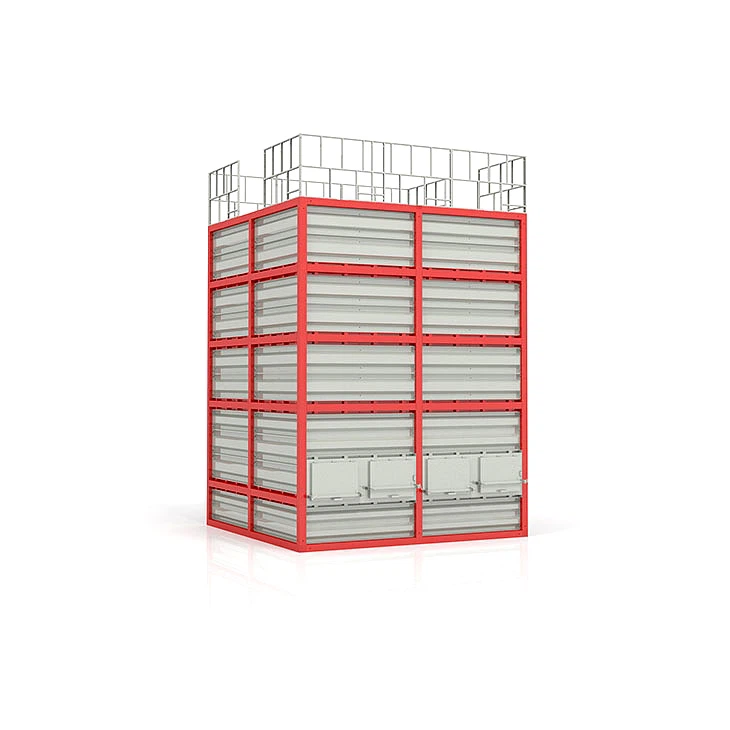
If the wheat is moving too slowly, it might get over - dried in some areas, while if it's moving too fast, it might not get dried enough. The control system ensures that the wheat moves at the right speed so that each kernel gets the appropriate amount of heat and airflow for efficient drying.
Advanced Features of Modern Wheat Dryer Control Systems
Modern wheat dryer control systems come with some pretty cool advanced features.
Programmable Settings
You can program the control system to follow a specific drying profile. For example, you can set different temperature and airflow levels for different stages of the drying process. This is useful because the drying requirements of wheat change as it loses moisture. In the initial stages, you might need a higher temperature and airflow to quickly remove the surface moisture. As the wheat gets drier, you can reduce the temperature to avoid over - drying.
Remote Monitoring and Control
Many modern control systems allow you to monitor and control the dryer from a remote location. You can use a smartphone app or a computer to check the status of the dryer, adjust the settings, and receive alerts if there are any issues. This is really convenient, especially if you have multiple dryers or if you need to keep an eye on the drying process while you're away from the facility.
Data Logging
The control system can also log data about the drying process, such as temperature, humidity, airflow, and drying time. This data can be used for analysis and optimization. You can look at the data to see if there are any patterns or trends, and make adjustments to the drying process to improve efficiency and quality.
Related Products
If you're interested in other types of grain dryers, we also offer some great options. Check out our Rapeseed Dryer, Heat Pump Rice Seed Dryer, and Corn Ear Dryer. These dryers also come with advanced control systems to ensure efficient and high - quality drying.
Conclusion
So, there you have it - a quick overview of how the control system of a wheat dryer works. It's a complex but essential part of the drying process that ensures you get the best possible results. If you're in the market for a wheat dryer or have any questions about our products, don't hesitate to reach out. We're here to help you find the perfect solution for your drying needs. Whether you're a small - scale farmer or a large - scale grain processor, we've got the right dryer for you.
References
- "Grain Drying Technology Handbook", published by a leading agricultural engineering institute.
- Research papers on agricultural drying systems from well - known academic journals.


