


Hey there! I'm a supplier of Sorghum Ear Dryers, and today I'm super excited to walk you through how the material handling system in a sorghum ear dryer works. It's a pretty cool process, and understanding it can really help you make the most of these machines.
First off, let's talk about why a good material handling system is so important in a sorghum ear dryer. When you're dealing with sorghum ears, you need to make sure they're moved around efficiently and gently. If the handling is too rough, you can damage the ears, which is a big no - no. And if it's not efficient, it'll slow down the whole drying process.
The whole operation starts with the intake. The sorghum ears are usually brought to the dryer in bulk. They can come from trucks, trailers, or other storage containers. At this stage, the material handling system kicks in to transfer the sorghum ears from the transport vehicle to the dryer. There are different ways to do this, but one common method is using a conveyor belt.
Conveyor belts are like the workhorses of the material handling world. They're long, sturdy belts that move continuously, carrying the sorghum ears from one point to another. The belt is usually made of a strong, durable material that can withstand the weight of the sorghum ears. It's also designed to have a good grip on the ears so they don't slide off during the transfer.
As the sorghum ears are loaded onto the conveyor belt, they're carried towards the dryer's entrance. Along the way, there might be some pre - processing steps. For example, there could be a screening mechanism. This is a kind of filter that removes any large debris, like sticks or stones, that might have come along with the sorghum ears. This is important because these foreign objects could damage the dryer or affect the quality of the drying process.
Once the sorghum ears pass through the screening, they reach the dryer's inlet. Here, another part of the material handling system takes over. In many sorghum ear dryers, there's a feeder mechanism. The feeder is responsible for controlling the flow of sorghum ears into the dryer. It makes sure that the right amount of ears enter the dryer at the right time. If too many ears are fed in at once, the dryer might not be able to dry them properly. And if too few are fed in, it's a waste of energy and time.
The feeder can be a simple gravity - fed system or a more complex mechanical one. In a gravity - fed system, the sorghum ears are allowed to fall into the dryer under the influence of gravity. The feeder just controls the opening and closing of the inlet to regulate the flow. In a mechanical feeder, there are moving parts, like augers or paddles, that push the sorghum ears into the dryer.
Inside the dryer, the material handling continues. The sorghum ears need to be evenly distributed throughout the drying chamber. This is usually done using a spreading mechanism. The spreading mechanism can be a set of rotating arms or a vibrating plate. Its job is to spread the sorghum ears out so that they all get exposed to the hot air used for drying. If the ears are clumped together, some parts might not get dried properly, leading to uneven drying and potential spoilage.
As the drying process takes place, the sorghum ears are gradually moving through the dryer. There are often internal conveyors or other moving parts that help with this movement. These parts ensure that the sorghum ears spend the right amount of time in the dryer to reach the desired moisture content.
Once the sorghum ears are dried to the appropriate level, they need to be removed from the dryer. This is where the discharge part of the material handling system comes in. Similar to the intake, there are different ways to discharge the dried sorghum ears. A conveyor belt is a common choice again. The dried ears are transferred out of the dryer and can be directed to storage bins or other processing equipment.
Now, I know you might be thinking about how this compares to other types of grain dryers. Well, if you're also interested in drying corn ears, you can check out our Corn Ear Dryer. It has its own unique material handling system, but some of the principles are similar. And if rapeseed is your thing, our Rapeseed Dryer also has an efficient material handling setup. Of course, if sorghum is your main focus, our Sorghum Ear Dryer is the way to go.
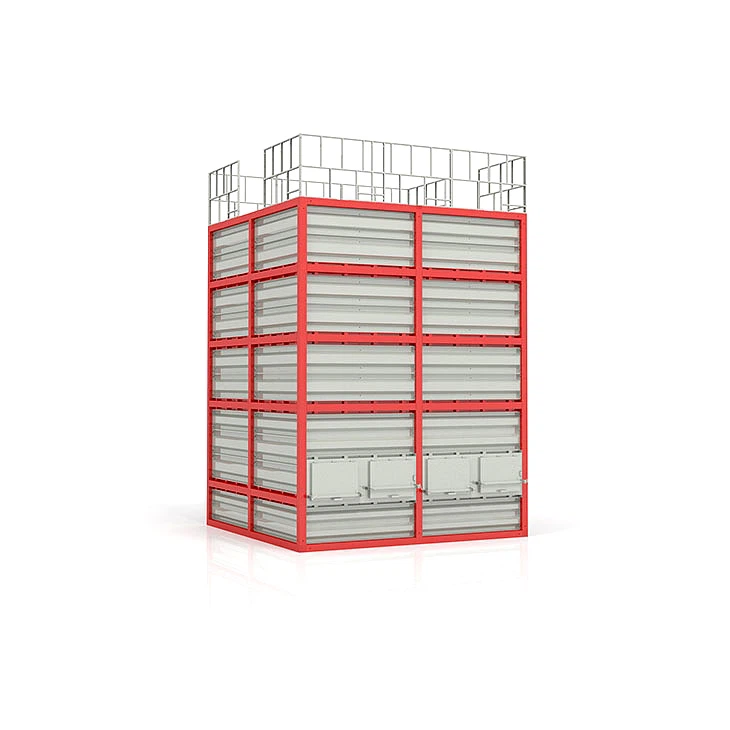

If you're in the market for a sorghum ear dryer or just want to learn more about how these systems can benefit your operation, I'd love to have a chat. Whether you're a small - scale farmer or a large - scale agricultural business, our dryers are designed to meet your needs. So, don't hesitate to reach out and start a conversation about how we can work together to improve your sorghum drying process.
References
- Agricultural Engineering Handbook: Covers general principles of material handling in grain dryers.
- Journal of Agricultural Science: Contains research on efficient material handling systems for different grains.


