


In the global agricultural industry, the preservation and quality maintenance of harvested grains are crucial tasks. Among the various grain - drying equipment available, the rotary grain dryer stands out as a popular choice. As a supplier of rotary grain dryers, I have witnessed firsthand the diverse market demand for this essential piece of machinery, which I will explore in this blog.
1. The Role of Rotary Grain Dryers in Agriculture
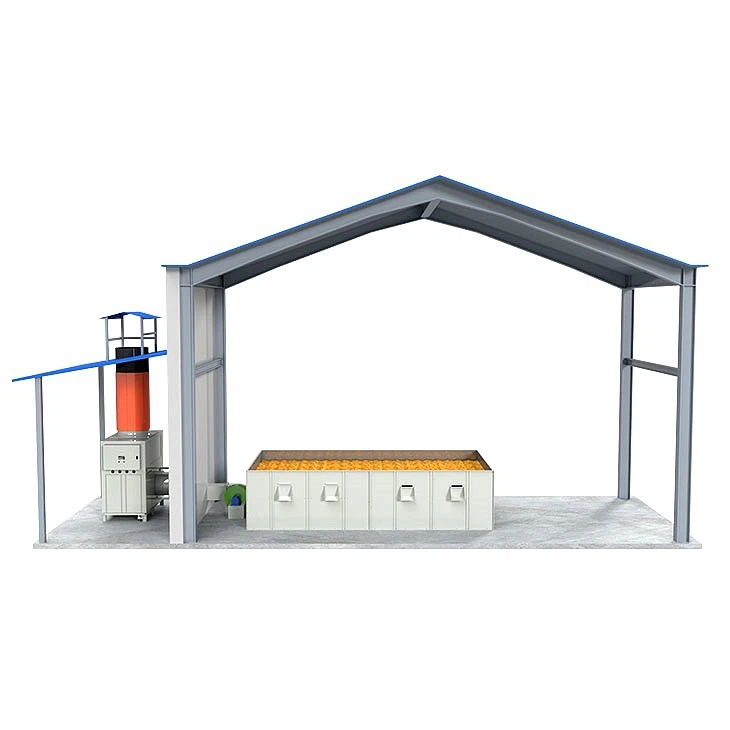
Rotary grain dryers play a vital role in the post - harvest process. When grains are harvested, they often contain a high moisture content. If not dried properly, the grains can be prone to mold growth, insect infestations, and spoilage during storage. A rotary grain dryer uses a rotating drum to tumble the grains while hot air is passed through, which effectively reduces the moisture content to a safe level for long - term storage. This not only helps in preserving the quantity of the grains but also maintains their quality, ensuring that they meet the standards for various end - uses such as food production, animal feed, and ethanol production.

2. Market Demand Driven by Grain Production Volume
The global demand for grains, including wheat, corn, rice, and barley, has been steadily increasing. According to the Food and Agriculture Organization of the United Nations (FAO), the world cereal production reached over 2.8 billion tons in 2022. With such large - scale production, there is a significant need for efficient drying equipment. Rotary grain dryers are in high demand because they can handle large volumes of grains at once. Their continuous - flow operation allows for the drying of thousands of kilograms of grains per hour, making them suitable for large farms, grain elevators, and commercial processing facilities.
For example, in the United States, the Midwest region is a major grain - producing area. Farmers in this region grow millions of acres of corn and soybeans annually. To ensure that their harvest is properly dried and stored, many of them rely on rotary grain dryers. The same situation can be seen in countries like Brazil, which is a leading exporter of soybeans and corn. The large - scale grain production in these areas creates a substantial market for rotary grain dryers.
3. Demand for Quality - Driven Drying Solutions
Consumers today are more conscious about the quality of the food products they consume. This has led to higher quality requirements for grains in the food industry. Rotary grain dryers are preferred because they offer better control over the drying process compared to some other drying methods. The rotating drum ensures uniform drying of the grains, preventing over - drying or under - drying. This results in grains with consistent moisture content and better nutritional value.
In the case of Rice Dryer, the quality of dried rice is of utmost importance. Properly dried rice has a better texture and cooking quality. Our rotary rice dryers are designed to meet the specific requirements of rice drying, such as gentle handling of the grains to prevent breakage. Similarly, for Rapeseed Dryer, maintaining the oil content and quality of the rapeseeds is crucial. Our dryers are engineered to dry the rapeseeds without degrading the oil quality, which is in line with the high - quality standards of the edible oil industry.
4. Adaptability to Different Grains
One of the key advantages of rotary grain dryers is their ability to dry a wide variety of grains. Whether it is wheat, oats, sorghum, or millets, a single rotary dryer can be adjusted to meet the specific drying requirements of different grains. This adaptability makes them a cost - effective solution for farmers and grain processors who deal with multiple types of grains.
For instance, Sorghum Ear Dryer is a specialized application of our rotary grain dryers. Sorghum ears need a specific drying process to ensure that the seeds can be easily separated and stored. Our dryers can be customized to provide the right temperature and airflow for sorghum ear drying, which is very popular among sorghum producers.
5. Energy Efficiency and Sustainability
In recent years, there has been a growing demand for energy - efficient and sustainable agricultural equipment. Rotary grain dryers have evolved to meet these requirements. Modern rotary dryers are designed with advanced insulation and heat - recovery systems, which reduce energy consumption significantly. They can also use a variety of energy sources, including natural gas, biomass, and electricity, allowing users to choose the most cost - effective and sustainable option based on their local availability.
Sustainable drying solutions are not only beneficial for the environment but also for the long - term economic viability of the grain - drying operations. By reducing energy costs, farmers and processors can improve their profit margins while also contributing to a greener planet. Our company is at the forefront of developing energy - efficient rotary grain dryers, and we are constantly investing in research and development to further improve the energy performance of our products.
6. Market Demand in Different Regions
The market demand for rotary grain dryers varies from region to region. In developed countries, such as the United States, Canada, and Australia, where large - scale mechanized farming is prevalent, there is a high demand for high - capacity, technologically advanced rotary grain dryers. These countries have a well - established agricultural infrastructure, and farmers are willing to invest in high - quality equipment to ensure efficient post - harvest processing.
In developing countries, especially in Asia and Africa, the demand for rotary grain dryers is also growing rapidly. With the increasing population and the need to improve food security, there is a push towards modernizing the agricultural sector. Small and medium - scale farmers in these regions are gradually adopting rotary grain dryers to replace traditional and less efficient drying methods, such as sun - drying. This trend is expected to continue as these countries invest more in agricultural development.
7. The Future of the Rotary Grain Dryer Market
The future of the rotary grain dryer market looks promising. With the continuous growth of the global population, the demand for grains is expected to increase further. This will drive the need for more efficient and advanced grain - drying equipment. Technological advancements, such as the integration of smart sensors and automation in rotary grain dryers, will also contribute to the market growth. These features will enable more precise control of the drying process, reduce labor requirements, and improve overall productivity.
As a supplier of rotary grain dryers, we are well - positioned to meet the changing market needs. We are committed to providing high - quality, energy - efficient, and adaptable dryers to our customers. If you are in the market for a rotary grain dryer, or if you have any questions about our products, please do not hesitate to contact us for procurement and further discussions. Our team of experts is ready to assist you in finding the best drying solution for your specific requirements.
References
- Food and Agriculture Organization of the United Nations (FAO). World cereal production statistics.
- Industry reports on the global agricultural equipment market.


