


As a seasoned supplier of corn dryers, I understand the critical role these machines play in the agricultural industry. A well - maintained corn dryer not only ensures efficient drying but also extends the lifespan of the equipment, saving you time and money in the long run. In this blog, I'll delve into the essential maintenance requirements for a corn dryer.
Regular Cleaning
One of the most fundamental maintenance tasks for a corn dryer is regular cleaning. Over time, corn debris, dust, and other contaminants can accumulate inside the dryer, which can impede its performance.
The first step in cleaning is to remove any remaining corn from the dryer after each use. This can be done by running the dryer briefly in reverse to expel any loose kernels. Next, use a vacuum or compressed air to clean the interior of the dryer, including the drying chambers, ducts, and fans. Pay special attention to hard - to - reach areas where debris may accumulate.
The exterior of the dryer also needs to be cleaned. Wipe down the surfaces with a damp cloth to remove dirt and grime. This not only keeps the dryer looking good but also prevents corrosion, especially if the dryer is located in a humid environment.
Inspection of Components
Regular inspection of the various components of the corn dryer is crucial to identify any potential issues before they turn into major problems.
- Heating Elements: Check the heating elements regularly for signs of damage or wear. If the heating elements are not functioning properly, the dryer may not reach the desired temperature, resulting in inefficient drying. Look for any signs of overheating, such as discoloration or melting. Replace any damaged heating elements immediately.
- Fans and Blowers: The fans and blowers are responsible for circulating hot air throughout the dryer. Inspect the blades for any signs of damage or imbalance. A damaged blade can cause the fan to vibrate excessively, which can lead to premature wear and tear on the motor. Clean the fans and blowers to remove any debris that may be blocking the airflow.
- Belts and Chains: Belts and chains are used to transfer power from the motor to the various components of the dryer. Check the tension of the belts and chains regularly. Loose belts or chains can slip, reducing the efficiency of the dryer. Also, look for any signs of wear, such as cracks or fraying. Replace worn - out belts and chains promptly.
- Sensors and Controls: The sensors and controls in the corn dryer are responsible for regulating the temperature, humidity, and other parameters. Test the sensors regularly to ensure they are accurate. Faulty sensors can lead to incorrect drying conditions, which can affect the quality of the corn. If a sensor is not working correctly, replace it as soon as possible.
Lubrication
Proper lubrication is essential for the smooth operation of the moving parts in the corn dryer. Lubricate the bearings, gears, and other moving components according to the manufacturer's recommendations.
Use a high - quality lubricant that is suitable for the specific application. Over - lubrication can be just as harmful as under - lubrication, so make sure to apply the correct amount of lubricant. Regular lubrication reduces friction, which in turn reduces wear and tear on the components and extends their lifespan.
Ventilation System Maintenance
The ventilation system is a vital part of the corn dryer as it helps to remove moisture from the drying chamber. A clogged or inefficient ventilation system can lead to poor drying performance and even mold growth in the corn.
- Ducts: Inspect the ducts regularly for any blockages. Debris, such as corn husks or dust, can accumulate in the ducts over time, restricting the airflow. Use a brush or a vacuum to clean the ducts. Make sure the ducts are properly connected and sealed to prevent air leaks.
- Air Filters: The air filters in the ventilation system are designed to trap dust and other contaminants. Replace the air filters regularly to ensure they are functioning effectively. A dirty air filter can reduce the airflow, which can affect the drying efficiency.
Calibration
Periodically calibrate the corn dryer to ensure that it is operating at the optimal settings. Calibration involves adjusting the temperature, humidity, and other parameters to match the specific requirements of the corn being dried.
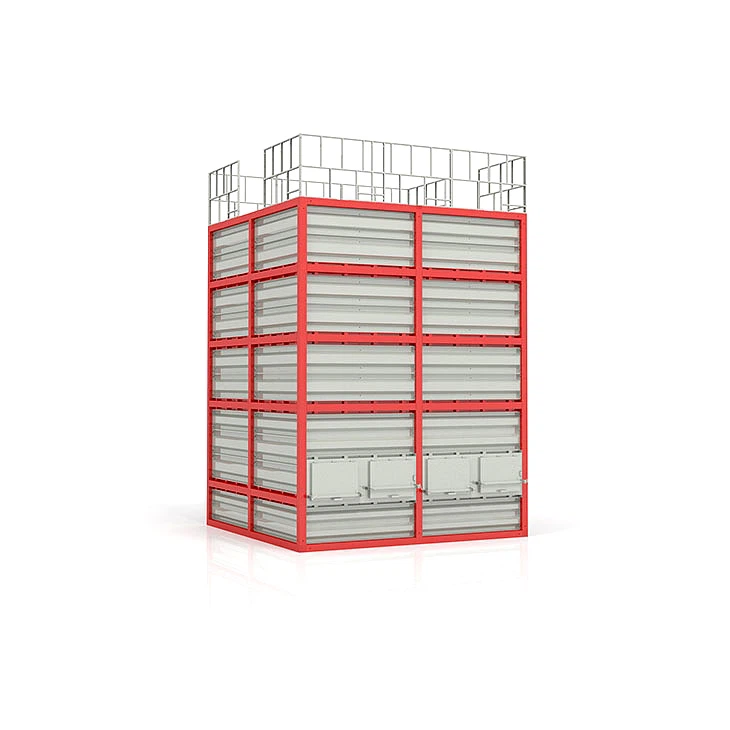

Follow the manufacturer's instructions for calibration. This may involve using a calibration kit or a professional calibration service. Proper calibration ensures that the corn is dried evenly and to the desired moisture content, which is essential for maintaining the quality of the corn.
Electrical System Maintenance
The electrical system in the corn dryer is complex and requires careful maintenance to prevent electrical hazards.
- Wiring: Inspect the wiring regularly for any signs of damage, such as fraying or exposed wires. Damaged wiring can pose a fire hazard or cause electrical shocks. Replace any damaged wiring immediately.
- Electrical Connections: Check the electrical connections to ensure they are tight and secure. Loose connections can cause overheating, which can damage the electrical components. Use a multimeter to test the electrical connections for proper voltage and continuity.
Storage
If the corn dryer is not going to be used for an extended period, proper storage is essential to prevent damage.
- Clean and Dry: Before storing the dryer, clean it thoroughly and make sure it is completely dry. This helps to prevent rust and corrosion.
- Cover: Use a protective cover to keep the dryer protected from dust, dirt, and the elements. Make sure the cover is properly secured.
- Disconnect Power: Disconnect the dryer from the power source to prevent any electrical issues.
In addition to the corn dryer, we also offer other high - quality drying equipment such as the Corn Ear Dryer, Peanut Dryer, and Heat Pump Rice Seed Dryer. These dryers are designed with the latest technology to provide efficient and reliable drying solutions for different agricultural products.
If you are in the market for a corn dryer or any of our other drying equipment, I encourage you to reach out to us for a detailed discussion. Our team of experts can provide you with personalized advice based on your specific needs and requirements. We are committed to providing you with the best products and services to help you achieve optimal results in your agricultural operations.
References
- Manufacturer's manuals for corn dryers
- Agricultural engineering textbooks on grain drying technology
- Industry standards and guidelines for agricultural equipment maintenance


